
Plants
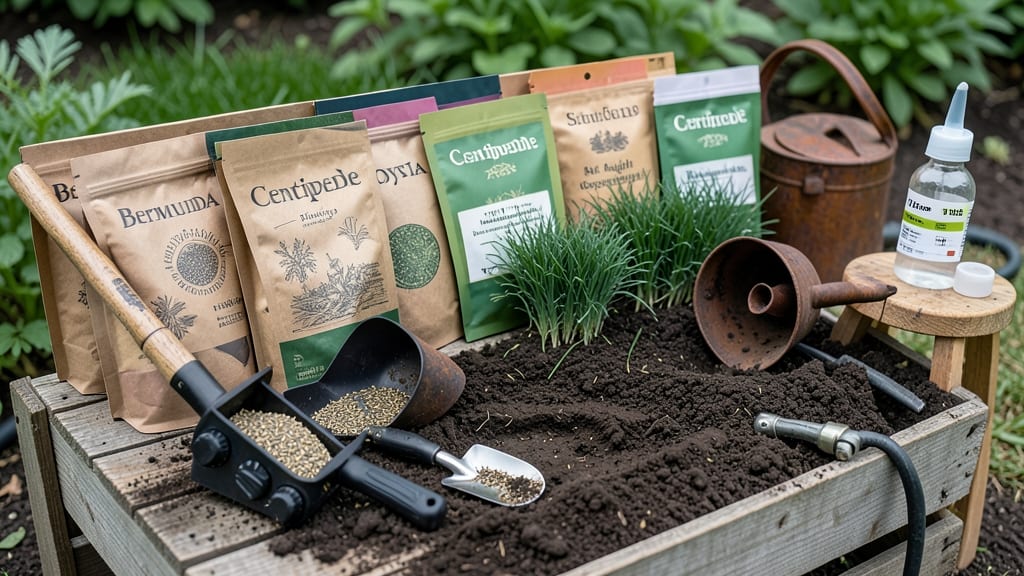
The best time to plant grass seed in Georgia is during early fall (September-October) or late spring (March-April), when soil temperatures and moisture align perfectly for root growth.
Georgia’s hot summers and humid climate can turn grass seeding into a high-stakes game—plant too early or too late, and your lawn could struggle to establish before the heat or freeze takes over.
Cool-season grasses like tall fescue thrive in these windows, while warm-season varieties such as Bermuda grass demand a different approach. I’ll break down the science behind timing, soil prep, and how to outsmart Georgia’s microclimates for a lush, resilient lawn.
Whether you’re tackling a new yard or reviving an old one, these seasonal hacks will help you avoid common mistakes and keep your grass green year-round.
Georgia’s ideal grass seed planting window: cool-season timing explained
Georgia’s climate creates a unique challenge for lawn lovers—cool-season grasses like tall fescue and ryegrass need precise timing to thrive. The early fall window (September-October) offers the perfect balance of warm soil and cooling air, giving seeds the best chance to germinate before winter sets in.
Missing this window means risking weak establishment or seed washout from summer rains.
Northern Georgia’s USDA Zone 7a experiences cooler temperatures earlier than the Zone 8b south, where summers linger longer. This microclimate difference means North Georgia can plant as early as mid-August, while South Georgia may need to wait until late September to avoid heat stress on young seedlings.
Here’s why September-October is your golden window: soil stays 60-75°F, daytime temps drop to 75-85°F, and evening humidity supports germination. This 6-8 week growing window before first frost gives roots time to establish before winter dormancy.
| Planting Window | Ideal Soil Temp | Daytime Temp | Grass Types | Key Consideration |
|---|---|---|---|---|
| Early Fall (Sept-Oct) | 60-75°F | 75-85°F | Tall Fescue, Ryegrass | Best germination before frost |
| Late Fall (Nov) | 50-60°F | 60-70°F | Ryegrass (fastest) | Limited growth window |
| Early Spring (March-April) | 55-65°F | 65-75°F | Tall Fescue | Weed competition risk |
If you miss the September-October window, late fall (November) can still work—but only for ryegrass, which germinates faster in cooler temps. Plant no later than mid-November in North Georgia or early November in South Georgia to avoid winter dormancy before roots establish.
For early spring planting (March-April), focus on tall fescue, which handles Georgia’s clay-heavy soils better than other cool-season types. The key is to plant 4-6 weeks before last frost (typically March 15 in North GA) to give seeds time to germinate before summer heat arrives.
Pro tip: Use a soil thermometer to confirm temps are 60°F+ before planting. Cool, wet soils delay germination, while 75°F+ can cause seed dormancy. Aim for 60-75°F—this sweet spot maximizes root growth while minimizing stress.
Northern Georgia gardeners should also watch for early frosts in October, which can damage tender seedlings. If temps drop below 50°F at night, cover new plantings with lightweight row fabric until roots establish. South Georgia’s milder winters often allow 2-3 extra weeks of fall planting.
One common mistake? Planting cool-season grass in summer because the seed packet says "spring or fall." Georgia’s humidity and heat create the perfect storm for fungal diseases like brown patch—seeds planted in summer often rot before sprouting. Always check the USDA Zone and grass type before buying seed.
For best results, overseed in early fall—this 6-8 week window gives your lawn the strongest start before winter. Pair planting with 1 inch of compost and light mulch to retain moisture and outcompete weeds. Your Georgia lawn will thank you with deep green growth next spring! 🌱
Heat-tolerant grass seed hacks: how to beat Georgia’s summer for warm-season success
Georgia’s summer heat can turn grass seeding into a losing battle if you don’t time it right. For warm-season grasses like Bermuda, Zoysia, or Centipede, planting in late spring (May-June) is your best shot—but only if you prepare smartly.
The key? Pre-watering, shade protection, and mulching to give seedlings a fighting chance against 90°F+ temperatures and humidity.
Unlike cool-season grasses, warm-season varieties thrive in heat but need consistent moisture during establishment. Skipping prep work means seed desiccation or weed takeover before your lawn gets a foothold.
My secret? Soil hydration before planting and lightweight shade cloth for the first 3 weeks. Let’s break down the exact steps to outsmart Georgia’s summer.
🌱 5 Critical Steps for Summer Grass Success
- 1. Pre-water soil 2–3 days before planting to 6–8 inches deep (use a screwdriver test).
- 2. Plant at 60–70°F soil temps (early May or late June)
- 3. Cover seeds with lightweight shade cloth (30–50% block) for 3 weeks.
- 4. Mulch lightly with straw (not wood chips) to retain moisture.
- 5. Water daily at dawn for 10–15 mins until germination (7–14 days).
Timing is everything in Georgia’s climate. Plant Bermuda grass in late April–early May when soil temps hit 65°F+, while Zoysia and Centipede prefer late May–June when morning humidity is lower.
My rule of thumb? Wait until after the last frost (typically mid-April in North GA, late March in South GA) but before July’s scorching heat.
Shade cloth is a game-changer for summer seeding. A 30% block cloth reduces soil temperature by 10–15°F, preventing seed burn. Secure it with stakes or bricks and leave 1-inch gaps for airflow.
Remove it after 3 weeks once seedlings are 2–3 inches tall. Pro tip: Water cloth daily to avoid fungal buildup.
Mulching isn’t just for fall—it’s a summer lifesaver for grass seed. Use straw (not wood chips) because it decomposes slowly and won’t smother seedlings. Spread a ¼-inch layer after planting to lock in moisture.
For extra heat protection, water mulch lightly every evening during the first 2 weeks. This combo keeps soil temps 5–10°F cooler than bare ground.
Once your grass is established (after 4–6 weeks), shift to deep, infrequent watering—1–1.5 inches per week—to encourage deep roots. Mow high (3–4 inches) to shade soil and reduce evaporation. With these hacks, your Bermuda or Zoysia will outlast Georgia’s summer like a pro. 🌡️