
Plants
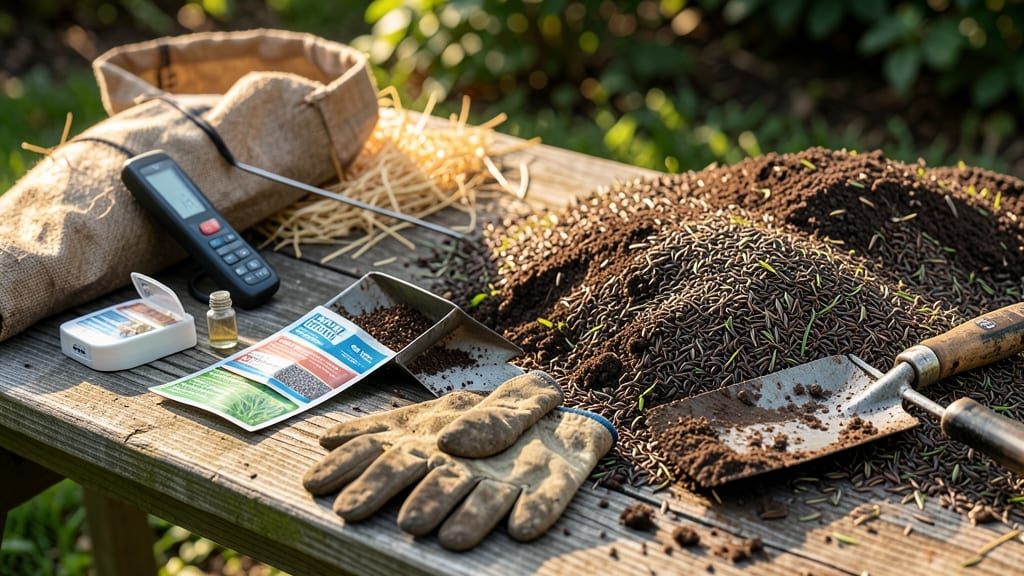
Planting grass seed in Georgia hits the sweet spot between late August and early October—when soil stays warm enough for germination but before the first frost locks things down.
Miss that window, and you’re either battling summer’s scorching heat or watching your seed freeze before sprouting. Georgia’s 7b-8b zones throw a wrench into timing, too: Coastal areas can plant a week later than the Piedmont, where nights drop faster.
This guide breaks down the 6-8 week prime window before frost, soil prep secrets for Georgia’s clay-heavy dirt, and how to pick the right grass type for your microclimate—whether you’re in Savannah or Athens.
You’ll learn how to check frost dates, avoid common mistakes (like overwatering in fall), and keep your lawn thriving through winter’s chill.
Georgia’s best grass seed planting window: cool season timing explained
If you’ve ever planted grass seed in Georgia only to watch it struggle through summer heat or freeze before establishing, you’re not alone. The key to a thick, resilient lawn lies in understanding your local frost dates and soil temperatures.
For Georgia, the ideal planting window falls between 6-8 weeks before your first frost, typically mid-September to early October, when conditions are perfect for cool-season grasses.
Georgia’s climate varies dramatically between North GA (USDA Zone 7b) and South GA (Zone 8a), so timing matters. Northern regions like Dahlonega or Blue Ridge may see frost as early as October 15th, while southern areas like Savannah or Valdosta can wait until November 1st.
Always check the NOAA frost prediction map for your exact location to avoid planting too late.
Here’s why this window works: Soil temperatures drop below 60°F after frost, slowing germination. Aim for 60-75°F soil temps—perfect for cool-season grasses like tall fescue or ryegrass.
Warm-season grasses like Bermuda or Zoysia planted in fall will struggle or die during winter, making fall the wrong time for them.
The 6-8 week buffer ensures seeds germinate and establish roots before winter dormancy. For example, if your frost date is November 15th, plant by September 20th to give seedlings time to grow. Use the NOAA Climate Data tool to find your 30-year frost averages—this is your planting deadline.
Regional microclimates add complexity. Coastal areas like Brunswick stay warmer longer, while mountain regions like Helena cool faster. Adjust your planting date by 1-2 weeks based on elevation—higher areas need earlier starts. Always test soil temps with a soil thermometer (60°F+ is ideal).
| Region | First Frost Date | Ideal Planting Window | Soil Temp Goal | Grass Types |
|---|---|---|---|---|
| North GA (Zone 7b) | October 15th | September 1st–15th | 60–70°F | Tall fescue, ryegrass |
| Central GA (Zone 8a) | November 1st | September 15th–October 1st | 65–75°F | Fine fescue, Bermuda (spring only) |
| South GA (Zone 8a/b) | November 10th | September 20th–October 5th | 70–75°F | St. Augustine, centipede |
| Coastal GA (Zone 8b) | November 20th | September 25th–October 10th | 72–75°F | Zoysia, St. Augustine |
Missed the fall window? Don’t panic—early spring (March-April) is your second chance. But spring planting requires vigilant weed control and consistent watering to outcompete summer weeds. For fall, focus on cool-season grasses like tall fescue, which thrives in Georgia’s mild winters.
Avoid warm-season varieties like Bermuda in fall—they’ll brown and die when temps drop.
Pro tip: Use a soil thermometer to confirm temps before planting. If soil is below 60°F, wait—seeds won’t germinate. Pair this with light mulch (straw, not wood chips) to retain moisture and protect young seedlings from late-season heat spikes.
Water deeply twice daily (morning and evening) for the first 2 weeks to encourage root growth.
Georgia’s fall weather can be deceptive—cool mornings with warm afternoons create perfect germination conditions. But if a hard freeze hits unexpectedly, cover seedlings with lightweight frost cloth until temps rise. With the right timing, your lawn will establish before
How to prepare Georgia soil for fall grass seed planting
Georgia’s clay-heavy soils and humid climate demand special prep before planting cool-season grass seed in fall. Without proper soil prep, seeds struggle to germinate, leading to patchy lawns. The key is balancing aeration, pH adjustment, and organic matter—all tailored to Georgia’s USDA Zones 7b-8b.
Start by testing your soil’s pH level (ideal: 6.0-7.0) using a home test kit or send a sample to UGA Extension.
Once you confirm the pH balance, remove all debris like leaves, rocks, and weeds. A raking session with a stiff-bristled rake ensures a clean seedbed. This step is critical because Georgia’s dense clay soils compact easily, suffocating new roots.
For stubborn weeds, apply a non-residual herbicide like glyphosate 2-3 weeks before planting to avoid seed damage.
Step-by-Step Soil Prep for Georgia Grass Seed
- 1. Test soil pH – Aim for 6.0-7.0. Adjust with lime (to raise) or sulfur (to lower), applying 2-3 weeks before planting.
- 2. Aerate deeply – Use a core aerator (not spike) to remove 3-inch soil plugs, breaking up compacted clay. Rent one for $75/day or hire a pro.
- 3. Add organic matter – Mix 2-3 inches of compost or peat moss into the top 4 inches of soil. Georgia’s clay benefits from this moisture retention.
- 4. Level the surface – Fill low spots with amended soil and rake smooth. A grading rake works best for clay-heavy areas.
- 5. Apply pre-emergent herbicide – Use pendimethalin (e.g., Preen) 2 weeks before seeding to block weeds without harming grass.
For aeration, choose a core aerator over spike tools—spikes create temporary holes that compact again. After aerating, top-dress with 1/4-inch of compost to nourish seeds. Georgia’s humid climate means you’ll need to water lightly daily (about 1/4 inch) to keep soil moist but not soggy during germination.
If your soil tests too acidic (below 6.0), spread pelletized lime at a rate of 20 lbs per 1,000 sq ft and water it in. For alkaline soils (above 7.0), work in elemental sulfur at 1 lb per 100 sq ft.
These amendments take time to adjust pH, so plan ahead—especially in Georgia’s clay soils, which buffer changes slowly.
Finally, consider a starter fertilizer with high phosphorus (P) (e.g., 10-20-10) to boost root growth. Apply it lightly over the seedbed before planting. This step is non-negotiable in Georgia, where nutrient-leached soils are common. Always water the fertilizer in to activate it before seeding.
With these steps, your Georgia lawn will have the ideal seedbed for fall planting—thick, resilient grass that thrives through winter. The key is patience: soil prep takes effort now to save headaches later. 🌱