
Planting
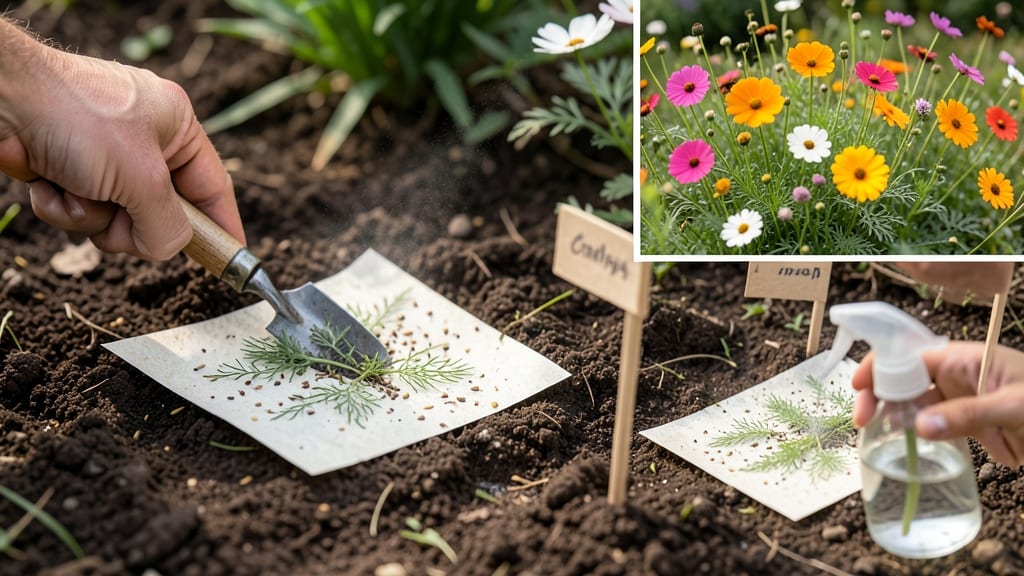
Planting wildflower seed paper transforms bare ground into a buzzing pollinator paradise—no digging, no fuss. ✨ I’ve used these paper seeds for three seasons now, and they’re the easiest way to bring color and life to any sunny spot without the mess of loose seeds.
The magic is in the method: simply lay the paper where you want flowers to grow, press it lightly into the soil, and water. No need to bury them—just let the rain or a gentle sprinkle do the work.
In just a few weeks, you’ll see delicate sprouts pushing through, followed by blooms that attract bees, butterflies, and hummingbirds all summer long. What makes this so simple is that the paper dissolves naturally, releasing seeds at the perfect depth.
You’ll avoid the common mistakes of overwatering or burying seeds too deep, which often kill them before they sprout. The result? A low-maintenance garden that thrives with minimal effort. Best of all, these seed papers work in gardens, containers, or even along fences—anywhere with at least six hours of sunlight.
Let’s get those pollinators visiting your yard in no time!
📚 In This Guide
- What you need
- Instructions
- Tips and common mistakes
- Wrapping up and next steps
What you need
- ● Wildflower seed paper: Choose a pre-made sheet (typically 4" x 6" or 5" x 7") with native wildflower seeds embedded in paper. Look for pollinator-friendly varieties like milkweed, coneflower, or black-eyed Susan.
- ● Water: A spray bottle (8–16 oz) or a small watering can with a fine rose attachment for gentle moisture.
- ● Garden soil: Lightweight, well-draining potting mix or native soil (avoid heavy clay). A 5-gallon bag is plenty for small projects.
- ● Location: A sunny spot (6+ hours of sunlight daily) with minimal competition from weeds or grass.
- ● A small hand trowel or spoon for pressing seed paper into soil.
- ○ Twine or landscape fabric (optional) to secure seed paper in windy areas.
- ○ Mulch or pebbles (optional) to retain moisture and deter pests.
- ○ Garden markers (optional) to label your wildflower patch.
- ● Timing: Plant in early spring or fall (avoid extreme heat or frost).
- ● Weather: Light rain or misting within 24 hours of planting for germination.
- ● Patience: Germination takes 2–4 weeks—resist the urge to disturb the soil!
Step-by-step instructions for planting wildflower seed paper
Here's how to transform your space into a buzzing pollinator haven—no gardening experience needed.
🌱 Step 1: Choose and Prepare Your Planting Site
Wildflower seed paper thrives in full sun to partial shade (6+ hours of sunlight for best results). Scan your yard for areas with good drainage—low spots where water pools will drown the seeds before they sprout. I like to test spots by pouring a cup of water; if it sits for more than 15 minutes, skip it.
Clear away weeds or debris from a 4-foot by 4-foot area (or larger if you want a bigger display). Loosen the soil lightly with a rake or hoe—just break up the top 1-2 inches without digging deep. Wildflowers grow best when their roots can spread freely near the surface. If your soil is hard clay, sprinkle a thin layer of compost or sand to improve drainage before planting.
💧 Step 2: Water the Soil Before Planting
Soak the prepared area with 1-2 gallons of water until the soil is deeply moist—about 6 inches down. You’ll know it’s right when water stops beading on the surface and the top inch feels damp but not soggy. This step is critical because seed paper needs consistent moisture to activate and stick properly.
Wait 10-15 minutes for the water to absorb completely. If you plant too soon, the paper will slide around or stick unevenly. I like to work in the early morning or late afternoon when temperatures are cooler—this gives the soil time to absorb moisture before the heat of the day.
✂️ Step 3: Plant the Seed Paper and Protect It
Gently press the wildflower seed paper onto the damp soil, smoothing it out with your fingers or a small rake. Start from one corner and work your way across, ensuring the paper makes full contact—no bubbles or lifted edges. For best results, plant on a calm day to prevent wind from disturbing it.
Lightly mist the paper with water using a spray bottle to help it adhere. Then, cover the planted area with wire mesh or chicken wire (cut to size) to keep birds and squirrels from digging it up. Secure the edges with small stakes if needed. Keep the soil evenly moist (not soggy) for the first 7-10 days—this is when the seeds germinate and take root.
☀️ Step 4: Maintain and Watch for Blooms
After the first two weeks, reduce watering to once every 5-7 days unless your area experiences extreme heat or drought. Wildflowers are drought-tolerant once established, but young seedlings need steady moisture. You’ll see tiny green sprouts in 10-21 days, depending on your climate and the wildflower mix.
Let the flowers grow wild—don’t fertilize or prune unless you notice overgrowth. In 6-12 weeks, you’ll be rewarded with vibrant blooms that attract bees, butterflies, and hummingbirds. The best part? These pollinator magnets will return year after year, even if the seed paper itself disappears after the first growing season.
Tips & tricks for planting wildflower seed paper
Took me a while to figure these out, so here's how to avoid the most common pitfalls—and make your pollinator garden thrive.
Location is Everything: I can't stress this enough—those 6+ hours of sunlight make all the difference. If you're unsure about a spot, try the "cup test" before planting: pour water and wait. If it pools for more than 15 minutes, move on. I've seen people plant in shady spots and end up with sparse, weak blooms. Trust me, the sunniest spot in your yard is worth finding!
Soil Prep Secret: When loosening that 1-2 inch top layer in Step 1, think "fluffy, not deep." You're not digging a garden bed—just breaking up the crust so roots can spread. For clay soil, that thin layer of compost or sand works wonders. I've seen seed paper fail in hard-packed soil because the roots couldn't penetrate. A quick scratch with a rake is all you need.
Timing Matters: That 10-15 minute wait after watering in Step 2 isn't just arbitrary—it lets the moisture soak in evenly. I've planted when impatient and ended up with seed paper sliding around. Work during cooler hours to give the soil time to absorb before the heat of the day. Early morning is my favorite time to plant.
Protection Hack: For the 7-10 day critical period after planting, don't just cover with mesh—secure those edges! I've seen wire mesh blow away in windy conditions, leaving the seeds vulnerable. Use small stakes or rocks to weigh down the corners. This simple step can mean the difference between a thriving garden and a bird buffet.
Pro Tips for Plant Wildflower Seed Paper
- Took me a while to figure these out, so here's how to avoid the most common pitfalls—and make your pollinator garden thrive.
- Location is Everything: I can't stress this enough—those 6+ hours of sunlight make all the difference.
- Soil Prep Secret: When loosening that 1-2 inch top layer in Step 1, think "fluffy, not deep."
Frequently asked questions
Got questions?
Wildflower seed paper is easy, but every gardener has unique needs. Here are answers to the most common questions to help you grow a thriving pollinator garden with confidence!
When is the best time to plant wildflower seed paper?
The ideal time to plant is in early spring (after the last frost) or late summer/early fall (6-8 weeks before the first frost). This gives seeds time to establish roots before extreme weather. If planting in spring, water lightly every 2-3 days until germination (usually 7-21 days). For fall planting, seeds often overwinter and bloom the following year!
Do I need to prepare the soil before planting?
No fancy prep is required! Wildflower seed paper thrives in minimal soil. Simply place the paper on bare soil, lightly press it down, and water gently. For best results, choose a spot with full sun (6+ hours/day) and well-draining soil. If your area has heavy clay or poor drainage, mix in a thin layer of compost or sand to improve conditions.
Can I plant wildflower seed paper in containers or small spaces?
Seed paper is perfect for containers, window boxes, or even vertical gardens. Use a lightweight potting mix, place the paper on top, and water thoroughly. Just ensure the container has drainage holes to prevent root rot. For small spaces, opt for compact wildflower blends designed for urban gardening—these often include shorter varieties like cosmos or bachelor’s buttons.
What should I do if my seed paper isn’t germinating?
Don’t worry—germination can take patience! First, check for consistent moisture (keep soil damp but not soggy). If planted in hot, dry weather, water twice daily until sprouts appear. Poor soil contact or thick mulch can also slow growth. Try gently pressing the paper into the soil or removing any debris blocking sunlight. If all else fails, try planting a fresh sheet in a different spot!
How long does it take for wildflowers to bloom from seed paper?
Most wildflower seed paper varieties bloom within 6-12 weeks after planting, though some may take longer (up to 3 months). Early bloomers like cosmos or zinnias often appear first, followed by perennials like black-eyed Susans or coneflowers, which may return for years. For instant color, mix in annual wildflowers (like sunflowers) with your perennial seed paper.
Wrapping up and next steps
Planting wildflower seed paper is a joyful, eco-friendly way to transform any space into a buzzing pollinator paradise—no green thumb required! 🌸 With just a little patience and care, you’ll soon enjoy vibrant blooms that support bees, butterflies, and birds. Ready to see your garden thrive?
Your next step? Pick a spot—whether it’s a sunny windowsill, a balcony, or a backyard corner—and let nature do the rest. Happy planting! 🌱