
Propagation
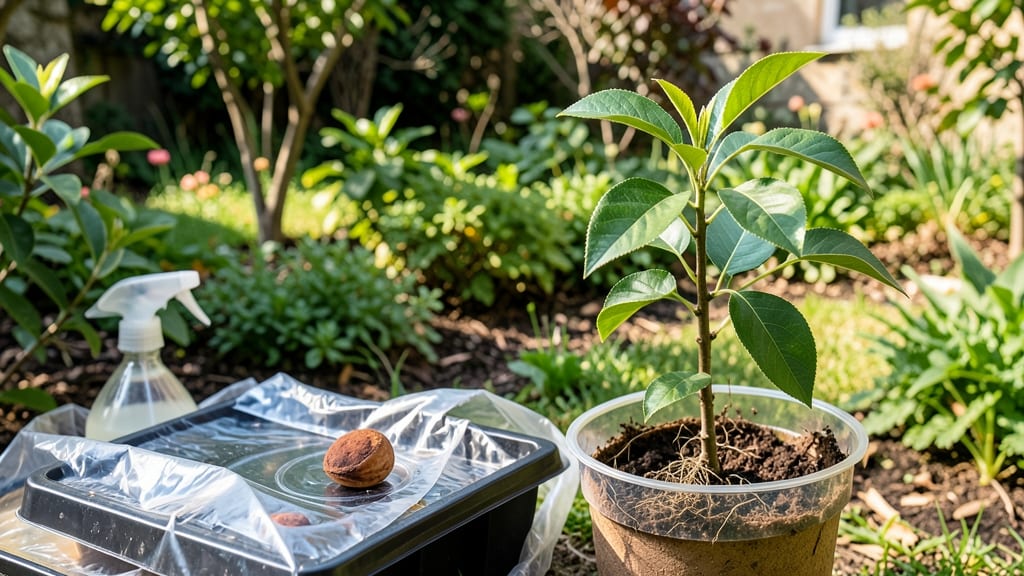
Growing peaches from seed indoors starts with that single pit you saved from last summer's fruit. 🌱 The journey from seed to sapling is slow but rewarding—imagine nurturing a tree that could one day bear fruit in your living room.
Most people toss those pits, but with the right approach, you can turn them into a living piece of nature.
The trick is patience and preparation. You'll need to stratify the seed (mimicking winter conditions), use the right soil mix, and provide consistent warmth and light.
My first attempt took 12 weeks just to crack the seed shell, but once that sprout appears, it's pure magic watching the first true leaves unfurl. The container needs drainage holes, and a heat mat helps speed up germination.
By the time your seedling hits 12 inches, you'll be pinching back new growth to encourage a sturdy trunk. This isn't a quick project—it can take 3-5 years before you see flowers, and even longer for fruit—but the process itself is fascinating.
You'll learn how trees grow, troubleshoot common issues, and maybe even share your progress with fellow plant geeks.
Indoor limitations mean you'll need supplemental grow lights and careful watering, but the payoff is a tree that stays with you through every season. Even if it never fruits, the journey of growing something from scratch is its own reward. Let's get those pits sprouting!
📚 In This Guide
- What you need
- Instructions
- Tips and common mistakes
- Wrapping up and next steps
What you need
- ● Peach pit: 1–2 fresh, organic peach pits (avoid treated seeds).
- ● Small pots: 2–3 (4–6 inches in diameter) with drainage holes.
- ● Well-draining potting mix: 1 bag (look for a seed-starting mix or blend with perlite/pumice for aeration).
- ● Plastic wrap or humidity dome: 1 (to retain moisture during germination).
- ● Spray bottle: 1 (for gentle watering).
- ● Grow lights or sunny windowsill: Access to 6+ hours of light daily (south-facing window or LED grow lights work best).
- ● Fertilizer: A balanced, water-soluble fertilizer (e.g., 10-10-10) for seedlings.
- ○ Seed tray or propagator: For organized germination (optional but convenient).
- ● Heating mat: (70–80°F range) to speed up germination (especially in cooler climates).
- ● pH meter or test kit: To ensure soil pH is between 6.0–7.0 (ideal for peach seeds).
- ● Pruning shears: For trimming leggy seedlings later on.
- ● Label markers: To track seed varieties if experimenting with multiple pits.
Step-by-step instructions for growing peaches from seed indoors
Turn that grocery store pit into a thriving peach tree with these simple steps—patience is key!
🌱 Step 1: Extract and Prepare the Seed
Start with a fresh peach pit—avoid dried or shriveled ones. Scrub off any remaining fruit flesh, then let it dry completely for 2-3 days at room temperature. This prevents mold. Once dry, place the seed between two paper towels and fold them over. Soak the towels with lukewarm water until damp but not soggy, then seal in a plastic bag.
Check daily—you’ll see a tiny root (½ inch) emerge in 7-14 days. This is your signal to stop soaking. Real talk: If the seed sprouts too early, it’ll rot. Wait for that root before planting.
🪴 Step 2: Plant the Germinated Seed
Fill a 4-inch diameter pot with well-draining potting mix—peach trees hate soggy roots. Make a small hole about 1 inch deep and place the seed root-side down. Cover lightly with soil, leaving the top half of the seed exposed. Press gently to secure it.
Water lightly until the soil feels damp 1 inch below the surface. Use a spray bottle to avoid disturbing the seed. Place the pot in a warm spot (70-75°F) with bright, indirect light. A south-facing window works, but avoid direct midday sun—it’ll scorch the tender sprout.
☀️ Step 3: Provide Light and Care for Early Growth
Once the seedling breaks through the soil (1-2 weeks later), move it to a spot with 6+ hours of sunlight daily. If natural light is weak, supplement with a grow light kept 6 inches away. You’ll see the first true leaves appear in 3-4 weeks—these are your cue to start fertilizing lightly with a balanced liquid fertilizer (half-strength).
Water when the top inch of soil feels dry. Overwatering is the #1 killer of young peach seedlings. If leaves yellow or droop, you’re watering too much. Let the soil dry slightly between waterings.
🌿 Step 4: Transplant and Train for Strong Growth
After 6-8 weeks, when the seedling reaches 6 inches tall, transplant it into a 1-gallon pot with fresh potting mix. Handle the roots gently—peach trees are sensitive to disturbance. Bury the stem up to the first set of leaves to encourage a sturdy trunk.
Pinch off the top set of leaves when the plant hits 12 inches to promote bushier growth. This might seem counterintuitive, but it strengthens the tree’s structure. Place the pot outside in partial shade for a few hours daily to harden it off—gradually increase sun exposure over 2 weeks.
⏰ Step 5: Winter Care and Long-Term Maintenance
Peach trees need a dormant period to fruit. In winter, move the pot to a cool (40-50°F) but bright spot. Reduce watering to once every 2-3 weeks, letting the soil dry completely. Resume normal care in spring when buds swell.
Fruit won’t appear for 3-5 years, but stay patient. Prune in late winter to remove dead wood and shape the tree. Use sharp shears to make clean cuts at a 45-degree angle just above a bud. Here’s the thing—peach trees grown from seed may not produce the same fruit as the parent, but the process is rewarding in its own way.
Tips & tricks for growing peaches from seed indoors
Here's what nobody tells you about turning that grocery pit into a thriving tree.
Seed Selection Matters: Don't grab any old pit—choose one from a ripe, healthy peach with no cracks or soft spots. The freshest pits have the highest germination rates. I've found that nectarine pits often germinate faster than regular peach pits, so if you're impatient, try those first. After selecting, give them that crucial 2-3 day drying period to prevent mold—this is non-negotiable!
Germination Watch: During those 7-14 days waiting for that ½-inch root, resist the urge to peek daily. Every time you open the bag, you risk drying out the towels. Instead, place the bag on a bright windowsill where you can glance at it without disturbing it. The moment you see that root, stop soaking immediately—over-soaking turns your seed into mush. I learned this the hard way after losing three seeds to rot.
Light Strategy: That 6+ hours of sunlight in Step 3 is critical, but quality matters more than quantity. South-facing windows work, but if your glass is old or cloudy, supplement with a grow light. Keep it 6 inches away—closer means scorching, farther means weak growth. I use a simple LED grow bulb on a timer for 12 hours daily during winter months when natural light is scarce.
Pro Tips for Grow Peaches From Seed Indoors
- Here's what nobody tells you about turning that grocery pit into a thriving tree.
- Seed Selection Matters: Don't grab any old pit—choose one from a ripe, healthy peach with no cracks or soft spots.
- Germination Watch: During those 7-14 days waiting for that ½-inch root, resist the urge to peek daily.
Frequently asked questions
Got questions about growing peaches from seed indoors? You’re not alone—this method is full of curiosity and potential! Here are answers to the most common questions to help you navigate the process with confidence.
How long does it take for a peach seed to sprout indoors?
A peach seed typically sprouts in 2 to 4 weeks when kept in warm, moist conditions. If you’ve planted it correctly but see no signs of life after 6 weeks, gently check for rot or mold. Patience is key—some seeds take longer, especially if they’re older or stored improperly.
Can I grow a peach tree indoors year-round, or will it need outdoor time eventually?
While you can grow a peach tree indoors, it’ll thrive best with seasonal outdoor exposure (spring/summer) for pollination and sunlight. Peach trees need 6–8 hours of sunlight daily, and indoor light alone may not suffice long-term. If you’re committed to keeping it inside, supplement with a grow light.
Will the peach tree I grow from seed produce fruit like the original?
Probably not! Trees grown from seed are not true to type, meaning the fruit may differ in size, flavor, or even ripening time. For consistent results, graft a known variety onto your seedling later. Think of this as a fun experiment—you might discover a unique heirloom peach!
What should I do if my peach seedling gets pests or diseases?
Start with prevention: Keep humidity moderate (use a humidifier if needed) and avoid overwatering. If pests appear (like aphids or spider mites), wipe leaves with neem oil or insecticidal soap. For fungal issues (e.g., powdery mildew), improve airflow and treat with baking soda spray (1 tsp baking soda + 1 quart water).
What’s the ideal temperature for germinating peach seeds?
Aim for 70–85°F (21–29°C) for consistent germination. Use a seedling heat mat if your home runs cooler. Avoid placing seeds near drafts or cold windows. Once sprouted, maintain 60–75°F (15–24°C) during the day and slightly cooler nights to encourage healthy growth.
Still stumped? Drop your question in the comments—we’re happy to help you troubleshoot!
Wrapping up and next steps
Growing peaches from seed indoors is a rewarding journey that blends patience, care, and a touch of creativity!
While the process may take time—sometimes years—before you see fruit, the joy of nurturing a tree from scratch is unmatched. Remember: consistency is key, and every small step (like proper light, watering, and pruning) brings you closer to that sweet, sun-ripened reward.
Ready to take the next step? Once your seedling is thriving, consider transplanting it outdoors (if climate permits) or experimenting with other fruit trees—like apricots or plums—to expand your indoor orchard! 🌱✨