
How To
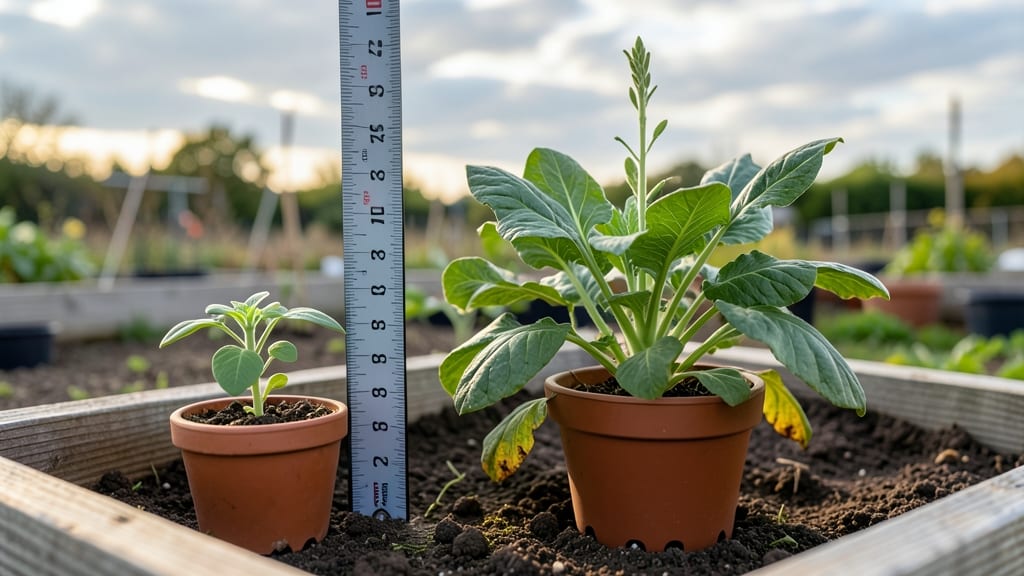
A mustard seed can grow into plants that reach up to 6 feet tall—far taller than most gardeners expect from this tiny, fast-growing annual 🌱.
Did you know that the tiny mustard seed—often used as a metaphor for faith—can actually grow into towering giants? Some varieties of mustard plants can reach heights that rival small trees, making them a fascinating subject for gardeners and plant enthusiasts alike.
If you’ve ever grown mustard greens for salads, you’re probably used to plants that max out around 1-2 feet. But certain ornamental and wild varieties, like Brassica juncea or Sinapis alba, can shoot up dramatically with the right conditions—think full sun, rich soil, and consistent moisture.
Below, I’ll break down the record-breaking heights of different mustard varieties, how to coax your plants to grow taller, and when to expect that impressive vertical growth. Ready to turn those 1-inch seeds into garden giants?

Record-breaking mustard varieties and their maximum heights
When you think of mustard plants, you might picture small, leafy greens perfect for salads—but some varieties can grow into towering giants that defy expectations.
The tallest mustard varieties can reach heights of 6 to 8 feet under ideal conditions, making them a stunning addition to large gardens or even as ornamental focal points.
These impressive plants belong to species like Brassica juncea (Indian mustard) and Sinapis alba (white mustard), which are not only hardy but also capable of rapid vertical growth.
The height of a mustard plant depends on genetics, climate, and growing conditions. For example, ornamental mustard varieties like 'Red Giant' or 'Tower Mustard' are bred specifically for height, while edible varieties like 'Southern Giant Curled' can also reach remarkable sizes with proper care.
Understanding these factors can help you cultivate mustard plants that break height records in your own garden.
| Variety | Maximum Height | Growth Rate | Best For |
|---|---|---|---|
| 'Red Giant' (Brassica juncea) | 6-8 ft | Fast (6-8 weeks) | Ornamental, cut flowers |
| 'Tower Mustard' (Sinapis alba) | 5-7 ft | Moderate (7-9 weeks) | Dried arrangements, borders |
| 'Southern Giant Curled' (Brassica juncea) | 4-6 ft | Moderate (8-10 weeks) | Edible greens, large gardens |
| 'Oriental Mustard' (Brassica juncea) | 3-5 ft | Slow (9-12 weeks) | Asian cuisine, small plots |
| 'White Mustard' (Sinapis alba) | 4-5 ft | Fast (6-8 weeks) | Cover crops, wildlife habitats |
Climate plays a huge role in determining how tall a mustard plant can grow. In warm, sunny regions like USDA Zones 7-10, mustard plants thrive and can reach their maximum height potential.
For example, in Southern California or Florida, 'Red Giant' mustard can easily surpass 7 feet with minimal care. Meanwhile, in cooler climates like Zone 5 or 6, growth may be slower, and plants might max out at 4-5 feet unless extended with season-appropriate techniques.
Soil conditions also influence height. Mustard plants prefer well-draining, fertile soil with a slightly acidic to neutral pH (6.0-7.0). Amending your soil with compost or aged manure before planting can provide the nutrients needed for taller, healthier growth.
Additionally, mustard plants are drought-tolerant once established, but consistent moisture during the early growth stages encourages rapid vertical development.
Genetics are the final piece of the puzzle. Some mustard varieties are naturally bred for height, like the 'Red Giant' or 'Tower Mustard', which can reach 6-8 feet without extra effort. Others, like 'Oriental Mustard', are shorter but more compact, making them ideal for smaller gardens.
If you're aiming for record-breaking height, choose varieties specifically labeled as tall or giant and provide them with optimal growing conditions.
One common misconception is that over-fertilizing will always lead to taller plants. While nutrients are essential, excess nitrogen can actually promote leafy growth at the expense of height.
For maximum vertical growth, focus on a balanced fertilizer (like 10-10-10) and ensure your plants receive at least 6 hours of full sun daily. Without sufficient sunlight, mustard plants will grow lanky and weak, rather than sturdy and tall.
If you're growing mustard plants for ornamental purposes, consider staking or providing light support as they grow taller. Varieties like 'Red Giant' can become top-heavy and may need bamboo stakes or trellises to
How to maximize mustard plant growth for height: proven gardening secrets
If you're dreaming of mustard plants that stretch toward the sky, you're in the right place. While most garden varieties top out around 1-2 feet, some ornamental mustard varieties like Brassica juncea can grow 3-4 feet tall with the right care.
The secret lies in understanding their growth triggers—sunlight, soil, and water work together like a symphony to coax those stems upward.
First, let's address the genetic potential of your mustard plants. Some varieties are bred specifically for height, while others stay compact. For example, Indian mustard (Brassica juncea) can reach 3-5 feet in ideal conditions, while white mustard (Sinapis alba) typically stays between 2-3 feet.
Choosing the right variety is your first step toward towering success.
⚠️ callout warning
Now, let's talk sunlight exposure, the most critical factor for height. Mustard plants are sun worshippers—they need 6-8 hours of direct sunlight daily to reach their maximum potential.
If your garden gets less than 6 hours, consider growing them in containers near a south-facing window or use grow lights for 14-16 hours/day indoors. Without enough light, stems will stretch weakly and flop.
Watering plays a double role in mustard growth. While consistent moisture is key, overwatering can lead to root rot and stunted growth. Aim for 1 inch of water per week, delivered in the morning to reduce fungal risks.
Use drip irrigation or soaker hoses to keep water at the roots—avoid overhead sprinklers, which can damage delicate leaves. During hot summer months, increase to 1.5 inches weekly.
Don't forget about pruning techniques to encourage upward growth. Pinch back the topmost leaves when plants reach 6-8 inches tall to redirect energy toward stem elongation. This method, called tip pruning, stimulates lateral branching and can increase height by 20-30%.
For ornamental varieties, avoid heavy pruning—let them grow wild for dramatic height and seed pods.
Finally, feed your mustard plants with balanced fertilizer every 4-6 weeks during the growing season. Use a 10-10-10 NPK ratio to ensure steady growth. For a height boost, side-dress with compost or aged manure in early spring.
Remember, slow and steady wins the race—mustard plants grow fastest when nourished gradually rather than with heavy doses of fertilizer.