
Lawn
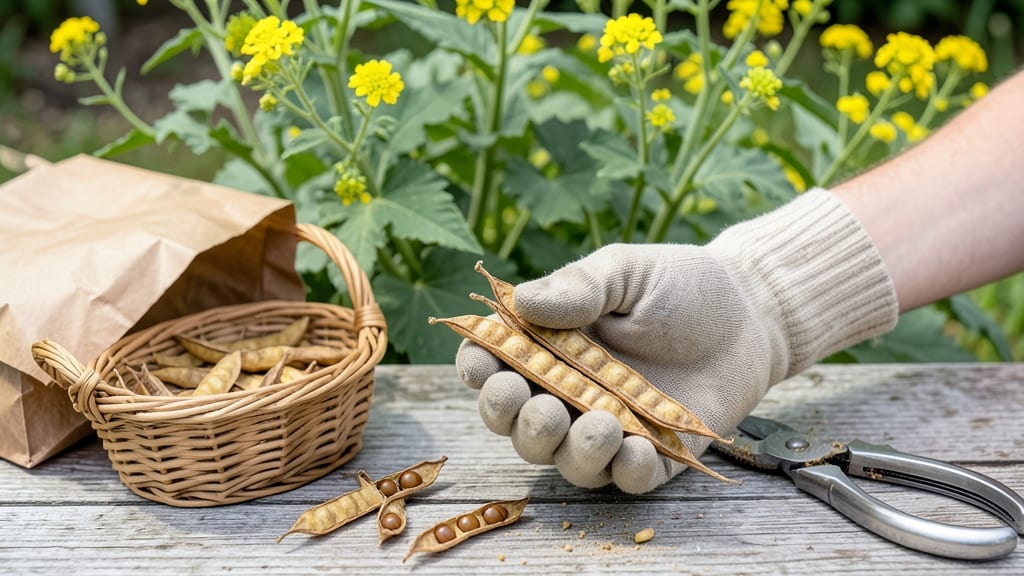
Those wild mustard seed pods popping up in your lawn aren’t weeds—they’re free, bold garden accents waiting to happen. 🌱 I’ve collected hundreds of them over the years, and the secret to turning them into thriving plants is all about timing, storage, and knowing where to plant them.
Wild mustard’s peppery leaves and bright yellow blooms add texture to any garden, but only if you handle the seeds right.
First, wait until the pods turn completely brown and start splitting open—this means they’re fully mature and ready for harvest. Grab a paper bag and gently shake the stems over it, or pluck the pods directly into your bag.
Store them in a cool, dry place until spring, where they’ll stay viable for up to two years. Just don’t let them dry out completely, or they’ll lose their germination power.
When planting, scatter the seeds directly into well-drained soil in full sun—they’ll self-seed like crazy, creating a naturalized look that’s low-maintenance and drought-tolerant. In just a few weeks, you’ll see those familiar bright green rosettes popping up, followed by cheerful yellow flowers that attract pollinators.
The peppery leaves even make a great edible garnish if you’re feeling adventurous.
Here’s the catch: wild mustard can be invasive in some regions, so check your local regulations before planting. If you’re in a dry climate or sandy soil area, it’s a fantastic erosion control plant.
For everywhere else, treat it like an annual and enjoy the drama—just don’t let it take over your lawn! The key is responsible planting and regular thinning to keep it where you want it.
📚 In This Guide
- What you need
- Instructions
- Tips and common mistakes
- Wrapping up and next steps
What you need
- ● Wild mustard seed pods: Collect at least 10-15 mature pods (ensure they’re dry and fully developed for best germination). Tip: Harvest from organic, pesticide-free areas for the best results!
- ● High-quality potting soil: 2-3 gallons of well-draining, organic soil mix (or a blend of 60% topsoil, 30% compost, and 10% perlite/sand).
- ● Small seed trays or biodegradable pots: 6-12 2-3 inch containers (with drainage holes) for sowing.
- ● Spray bottle: For gentle watering to avoid disturbing seeds.
- ● Garden twine or labels: To mark trays and track germination progress.
- ● Pruning shears: For harvesting seed pods (if not pre-collected).
- ○ Fine-mesh sieve: To separate seeds from chaff (optional but helpful).
- ● Grow lights or sunny windowsill: For indoor seedling care (if natural light is limited).
- ● Organic fertilizer (low-nitrogen): 1 tbsp per tray (e.g., fish emulsion or compost tea) for post-germination boost.
- ● Outdoor space or raised bed: For transplanting seedlings once they’re 2-3 inches tall.
How to germinate wild mustard seed pods for stunning lawn edging
Here's the straightforward approach I use to grow wild mustard from seed pods—no fancy equipment needed.
🌱 Step 1: Harvest and Prepare Mature Seed Pods
Collect fully browned, dry seed pods from wild mustard plants in late summer or early fall. The pods should rattle when shaken—this means they're ready for harvest. I like to gather them on a dry day when the pods are completely mature but haven't yet split open.
Spread the pods on a clean towel indoors to dry for an additional 2-3 days if they're still slightly green. Once fully dry, you can store them in a paper bag until ready to plant. The key here is patience—rushing the drying process results in poor germination rates.
💧 Step 2: Stratify Seeds for Better Germination
Wild mustard seeds benefit from a cold stratification process that mimics winter conditions. Place the dry seed pods in a sealed plastic bag with a damp paper towel. Store the bag in your refrigerator for 4-6 weeks. Check periodically to ensure the paper towel stays moist but not soaking wet.
This cold treatment breaks seed dormancy and significantly improves germination rates. You'll know it's working when you see the first tiny green shoots after removing the seeds from cold storage. Don't skip this step—it's what transforms wild mustard from finicky to foolproof.
☀️ Step 3: Plant in Well-Drained Soil
Choose a sunny location with 6+ hours of direct sunlight daily—wild mustard thrives in full sun. Prepare the soil by removing weeds and loosening the top 4-6 inches to improve drainage. Wild mustard hates soggy roots, so if your soil is heavy clay, mix in some coarse sand or grit.
Sow seeds directly outdoors in early spring or fall, about 1/4 inch deep and 6-8 inches apart. Lightly cover with soil and water gently but thoroughly. The seeds are small, so I use a fine mist setting on my watering can to avoid washing them too deep. You'll see seedlings emerge in 7-14 days.
🌿 Step 4: Thin Seedlings for Strong Growth
Once seedlings reach 2-3 inches tall, thin them to stand 12-18 inches apart—this gives them room to develop their signature bold, peppery foliage. Use scissors to cut unwanted seedlings at soil level rather than pulling, which disturbs roots and can uproot nearby plants.
Thinning might seem harsh, but it prevents overcrowding that leads to weak, leggy plants. You'll notice the remaining seedlings perk up within a week, developing thicker stems and more vibrant leaves. This is your signal that the thinning worked—strong plants mean better survival rates and more striking lawn accents.
✂️ Step 5: Maintain Through the Growing Season
Water established plants 1-2 times per week during dry spells, giving them 1 inch of water total. Wild mustard is drought-tolerant once established, but young plants need consistent moisture. You'll know they're getting enough water when the soil feels dry 1-2 inches below the surface.
Fertilize lightly in early spring with a balanced organic fertilizer (like 10-10-10) to encourage lush growth. Avoid heavy-handed feeding—wild mustard prefers lean soil and grows best when not overfed. Watch for pests like aphids, but wild mustard is generally pest-resistant when healthy.
Tips & tricks for perfect wild mustard seed pod germination
Turn those finicky seed pods into thriving lawn accents with these game-changing tips that'll make all the difference.
Harvesting Tip: The key to successful germination starts with perfectly ripe seed pods. Look for pods that are completely brown and rattle when shaken—this tells you they're fully mature. I've learned the hard way that harvesting too early means poor germination rates. If you're unsure, let them dry on the plant a few extra days. The extra patience now saves you from disappointment later.
Stratification Secret: Don't skip the 4-6 week cold treatment—this is what transforms wild mustard from unreliable to reliable. I keep a small notebook by my fridge to track the moisture level of the paper towel. If it dries out completely, the seeds won't germinate properly. The goal is to keep it just moist enough to mimic spring rains without being soggy.
Planting Precision: When sowing those tiny seeds at 1/4 inch depth, use a fine mist sprayer rather than a regular watering can. I've seen seeds get washed too deep when using regular water pressure, and they won't germinate if buried too deeply. Think of it like sprinkling birdseed—gentle and even. The 6-8 inch spacing might seem generous, but trust me, those plants will spread quickly and need room to develop their bold foliage.
Thinning Technique: The scissors method for thinning might seem unusual, but it's a gardener's secret weapon. Pulling seedlings can disturb nearby roots and create gaps where weeds move in. I time my thinning for a calm day when I can work slowly and precisely. After thinning, I always give the remaining plants a light watering to help them recover from the stress.
Pro Tips for Wild Mustard Seed Pods
- Turn those finicky seed pods into thriving lawn accents with these game-changing tips that'll make all the difference.
- Harvesting Tip: The key to successful germination starts with perfectly ripe seed pods.
- Stratification Secret: Don't skip the 4-6 week cold treatment—this is what transforms wild mustard from unreliable to reliable.
Frequently asked questions
about growing wild mustard seed pods for lawn accents—here’s what you need to know!When is the best time to plant wild mustard seed pods?
Plant wild mustard seeds in early spring (after the last frost) or late summer for fall blooms. They thrive in cool weather and germinate best when soil temps are 50–70°F (10–21°C). Avoid planting in extreme heat—seeds may dry out before sprouting!
How long does it take for wild mustard seed pods to germinate?
Germination usually happens within 7–14 days under ideal conditions (moist, well-drained soil and consistent sunlight). If you don’t see sprouts after 3 weeks, gently loosen the soil and rewater—sometimes seeds need a little encouragement!
Can I grow wild mustard seed pods in containers or just in lawns?
Yes! While they’re great for lawn accents, wild mustard also thrives in containers, raised beds, or garden borders. Just ensure the pot has drainage holes and depth of at least 6 inches. They’re low-maintenance and perfect for adding texture to small spaces!
Are wild mustard seed pods invasive? Will they spread uncontrollably?
Wild mustard (Brassica juncea) is not highly invasive but can self-seed if left unchecked. To control spread, deadhead spent flowers before pods form or harvest seeds manually. If your lawn is already established, they’ll blend in without taking over.
What if my wild mustard plants aren’t growing well? Troubleshooting tips?
Leggy or weak stems?
They need more sunlight—relocate to a sunnier spot (at least 6+ hours/day).
Yellowing leaves?
Overwatering or poor drainage may be the issue. Let soil dry slightly between waterings.
No flowers?
Fertilize lightly with a balanced 10-10-10 mix or add compost to boost growth.
Pro tip: Wild mustard loves well-draining soil—amend clay soil with sand or organic matter for best results!
Wrapping up and next steps
Transforming your lawn with wild mustard seed pods is easier—and more rewarding—than you think! 🌱 Whether you're chasing bold textures, peppery flavors, or eco-friendly ground cover, these seeds offer a low-maintenance, high-impact solution.
Start small with a test patch, experiment with companion plants, and soon you’ll have a thriving, conversation-starting lawn feature.
Ready to take the next step? Grab your seeds, mark your calendar, and let nature do the rest! 🌿