
Lawn
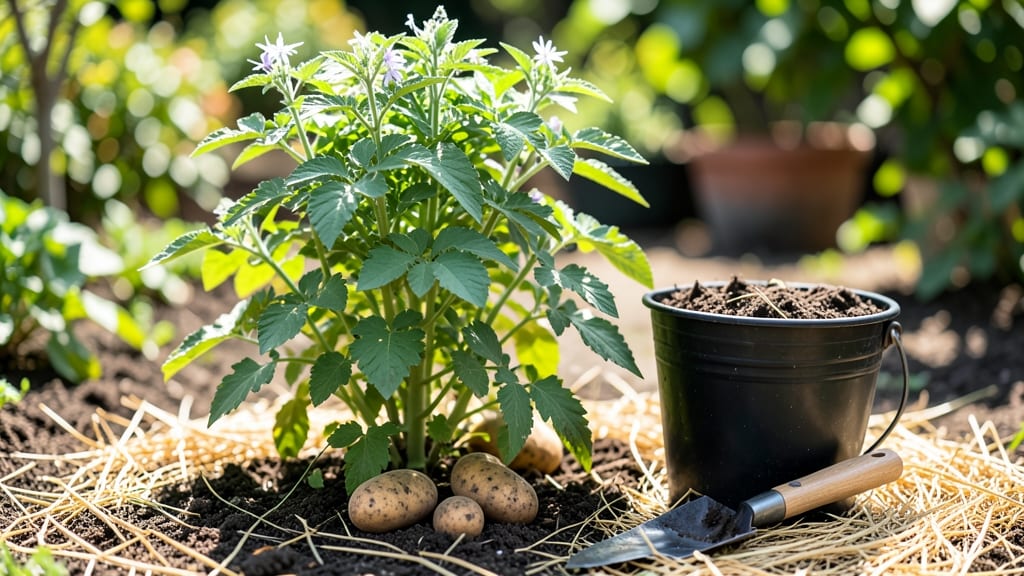
Planting 3-4 seed potatoes 🥔 per 5-gallon bucket is the sweet spot for maximizing yield without overcrowding—here’s why this simple ratio works.
If you’ve ever watched a bucket of potatoes turn into a tangled mess of vines and stunted tubers, you know spacing matters more than most gardeners realize. Too many seed potatoes compete for nutrients, leading to small, misshapen harvests, while too few wastes precious container space.
The key? Understanding how these underground plants spread—and how to give them room to thrive.
This isn’t just about counting potatoes; it’s about soil depth, drainage, and even how you layer them for bigger yields. Below, I’ll break down the exact spacing, planting depth, and pro tips to turn your 5-gallon bucket into a high-yielding potato powerhouse—no guesswork required.
Ready to grow more potatoes in less space? Let’s dive into the step-by-step math and techniques that’ll have you harvesting pound after pound from a single container.


Optimal seed potato spacing in 5-Gallon buckets: the science-backed formula
When growing potatoes in 5-gallon buckets, the number of seed potatoes you plant directly impacts your harvest. Too many leads to overcrowding, while too few wastes valuable container space.
Research shows that 3–4 seed potatoes per bucket provides the ideal balance for healthy growth and maximum yield in limited containers.
The key lies in understanding potato plant spread habits. Each seed potato produces multiple stems, and without proper spacing, these stems compete for nutrients and sunlight. In a 5-gallon bucket (about 18 inches in diameter), this translates to roughly 3–4 seed potatoes spaced evenly around the container's edge.
Here’s why this spacing works: Each seed potato needs 4–6 inches of soil depth and 6–12 inches of horizontal spread for its foliage. A 5-gallon bucket’s diameter (18 inches) comfortably accommodates this when planting 3–4 seed potatoes, allowing stems to spread without smothering each other.
For early varieties like 'Yukon Gold' or 'Red Pontiac', 3 seed potatoes per bucket often suffice. For larger varieties like 'Russet' or 'Kennebec', 4 seed potatoes work better. Always choose medium-sized seed potatoes (the size of a golf ball) to avoid overcrowding from overly vigorous growth.
| Potato Type | Seed Potatoes per Bucket | Spacing Between Seeds | Yield Potential | Notes |
|---|---|---|---|---|
| Early Varieties (e.g., 'Yukon Gold') | 3 | Evenly spaced around bucket edge | 1–2 lbs per bucket | Compact growth, ideal for small spaces |
| Medium Varieties (e.g., 'Red Pontiac') | 3–4 | 6–8 inches apart | 2–3 lbs per bucket | Balanced growth, good for beginners |
| Large Varieties (e.g., 'Russet') | 4 | 8–10 inches apart | 3–4 lbs per bucket | Vigorous growth, needs regular hilling |
| All Varieties | Max 4 | N/A | Reduced yield if exceeded | Risk of disease, stunted growth |
To maximize your harvest, position seed potatoes evenly around the bucket’s edge, about 4–6 inches apart. This creates a circular growth pattern that fills the container without overcrowding. Place them with the eyes (sprouts) facing upward and cover with 2–3 inches of soil initially.
As plants grow, their stems will spread outward. When they reach 6 inches tall, add more soil (hilling) to encourage deeper tuber formation. This technique also prevents green skin (which contains toxic solanine) by keeping tubers covered and shaded.
If you’re growing multiple buckets, space them 12–18 inches apart to allow airflow and reduce disease risk. Avoid placing buckets in shaded areas, as potatoes need 6+ hours of sunlight daily for optimal growth and tuber development.
For urban growers with limited space, consider using stackable buckets. Plant the first bucket with 3–4 seed potatoes, then place a second bucket on top once the first plants reach 12 inches tall. This vertical approach doubles your yield without expanding your footprint.
Remember: The goal isn’t just to fit as many seed potatoes as possible into the bucket—it’s to create an environment where each plant has enough nutrients, sunlight, and space to thrive. With the right spacing, you’ll enjoy a bountiful harvest of firm, disease-free potatoes from even the smallest containers.
How to plant seed potatoes in 5-Gallon buckets: step-by-step for maximum yield
Planting seed potatoes in 5-gallon buckets is one of my favorite space-saving hacks for small gardens. The key to success lies in proper layering, spacing, and soil conditions—all of which directly impact your harvest yield.
Unlike traditional in-ground planting, containers require precise techniques to prevent overcrowding and ensure each potato plant has room to develop strong tubers. Let’s break down the exact steps I use to maximize my bucket harvests every season.
Before you start, gather your supplies: 5-gallon buckets with drainage holes, chitted seed potatoes (optional but recommended), high-quality potting mix, and compost. The right soil mix is critical—aim for a blend that’s 60% potting soil and 40% compost to provide nutrients without compacting.
Avoid garden soil, as it can compact in containers and suffocate roots. Once your bucket is prepped, we’ll layer the seed potatoes strategically to optimize growth.
Step-by-Step Planting Guide for 5-Gallon Buckets
-
Step 1: Layer the Bucket
Fill the bottom 2-3 inches with soil mix, leaving space for 3–4 seed potatoes. -
Step 2: Place Seed Potatoes
Arrange 3 medium-sized seed potatoes (or 4 small ones) in a triangle pattern around the bucket’s edge, eyes facing up. Space them 4-6 inches apart to allow foliage to spread. -
Step 3: Cover with Soil
Add 2-3 inches of soil mix, leaving the top of the potatoes exposed. This encourages early sprouting. -
Step 4: Water Thoroughly
Soak the soil until water drains from the bottom holes. Avoid soggy soil—aim for moist but not waterlogged conditions. -
Step 5: Hill as Plants Grow
When stems reach 6 inches tall, add more soil to cover the lower stems (up to the leaves). Repeat every 2-3 weeks to promote tuber formation. -
Step 6: Fertilize Lightly
Use a balanced 10-10-10 fertilizer sparingly (1 tbsp per bucket) when flowers appear. Over-fertilizing leads to leafy growth at the expense of tubers. -
Step 7: Harvest at Maturity
When foliage yellows (after 90-120 days), gently dig around the bucket’s edges to uncover tubers. Avoid waiting too long—overripe potatoes develop green skin, which indicates toxic solanine buildup.
One common mistake I see is overcrowding the bucket with more than 4 seed potatoes. While it might seem like you’re maximizing yield, this leads to stunted growth, disease spread, and smaller tubers.
The 3-4 potato rule ensures each plant has enough space to develop a robust root system and produce market-sized potatoes. If you’re growing smaller varieties like ‘Yukon Gold’ or ‘Red Pontiac’, you can fit 4 potatoes per bucket, but larger varieties like ‘Russet’ thrive best with just 3.
Watering is another critical factor. Since 5-gallon buckets dry out faster than garden beds, I water mine every 3-5 days during the growing season, adjusting for rain. Always water in the morning to allow foliage to dry, reducing the risk of blight and rot.
A drip irrigation system or self-watering bucket can help maintain consistent moisture without overwatering. If you notice the soil pulling away from the bucket edges, it’s a sign you need to hill more soil to encourage deeper tuber growth.
For an extra boost, I chit my seed potatoes before planting—placing them in a bright, cool spot (around 50°F) for 4-6 weeks to sprout. This head start ensures faster emergence and a longer growing season.
If you’re in a shorter growing season, chitting is especially valuable. Just avoid letting the sprouts grow longer than 1-2 inches before planting, as overly long sprouts can break off during transplanting.
By following these steps, you’ll transform your 5-gallon buckets into a high-yield potato patch, even in the smallest of spaces. The key is patience—consistent care and attention to spacing will reward you with bountiful harvests** that rival traditional garden beds. Happy planting! 🌱