
How To
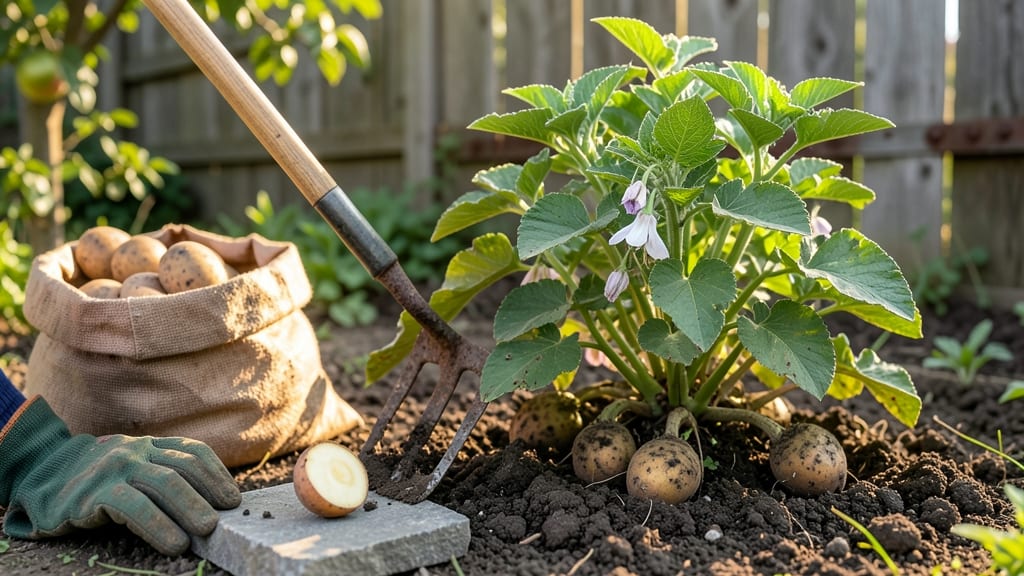
From one seed potato 🥔, you can harvest anywhere from 5 to 20 tubers—but the exact number depends on the variety, soil quality, and how you care for them.
Ever dug up a potato patch only to find a handful of small tubers instead of a bucketful? You’re not alone. Many gardeners assume a single seed potato will yield a predictable number, but the truth is more nuanced.
In this guide, I’ll break down the factors that influence your potato yield, from Yukon Golds that produce 10-15 tubers per seed to fingerlings that might give you 5-10. We’ll also cover how to maximize your harvest with the right spacing, hilling, and soil prep.
By the end, you’ll know exactly what to expect—and how to turn that one seed potato into a bountiful harvest every time.


How many potatoes to expect: yield by seed potato type and variety
When you plant a single seed potato, you're essentially starting a potato plant that can produce multiple tubers. On average, each seed potato yields 5 to 10 edible potatoes, but this number varies widely based on the variety, growing conditions, and your care routine.
Understanding these factors helps you set realistic expectations for your harvest and plan your garden layout efficiently.
For example, Yukon Gold potatoes are known for producing 6 to 8 tubers per seed potato when grown in ideal conditions, while Russet potatoes may yield slightly fewer, around 5 to 7 tubers.
Fingerling varieties often produce 3 to 5 smaller tubers but pack more flavor per pound. These differences matter when deciding which varieties to grow based on your family's needs or market goals.
| Variety | Avg. Tubers per Seed | Tuber Size (oz) | Days to Maturity | Best For |
|---|---|---|---|---|
| Yukon Gold | 6-8 | 8-12 oz | 90 days | Mashed potatoes, roasting |
| Russet | 5-7 | 12-18 oz | 110 days | Baking, frying |
| Fingerling | 3-5 | 2-4 oz | 80-90 days | Salads, roasting |
| Red Pontiac | 4-6 | 6-10 oz | 85 days | Boiling, salads |
| Purple Viking | 5-7 | 8-12 oz | 90 days | Gourmet dishes |
*Yields vary by climate, soil quality, and growing conditions
The soil quality plays a massive role in determining how many potatoes you'll get from each seed. Potatoes thrive in loose, well-draining soil with a pH between 5.0 and 6.5.
Heavy clay soils can stunt tuber development, while sandy soils may produce smaller yields. Amending your soil with compost or aged manure before planting improves both yield and tuber size.
Proper spacing between plants also impacts your harvest. Most varieties need 12 to 15 inches between seed potatoes in rows spaced 24 to 36 inches apart. This spacing gives tubers room to grow without competing for nutrients, leading to larger, healthier potatoes.
In containers, plant 1 seed potato per 5-gallon bucket to avoid overcrowding.
Climate conditions like temperature and rainfall directly affect potato yields. Cool, moist climates (like those in USDA Zones 3-6) are ideal, producing the highest yields. In warmer zones, potatoes may struggle with heat stress or disease pressure, reducing both quantity and quality.
If you live in a hot climate, consider growing potatoes in shade cloth or containers to protect them.
Another critical factor is whether you're planting whole seed potatoes or cut seed pieces. Whole seed potatoes produce slightly more tubers because they have all their eyes intact. However, cutting a potato into pieces (each with at least 2-3 eyes) can increase your planting efficiency.
Just be sure to let cut pieces callus over for 24-48 hours before planting to prevent rot.
For maximum yield, practice hilling soil around the stems as the plants grow. This encourages more tuber formation below ground. Start hilling when plants reach 6 inches tall, adding 4-6 inches of soil every few weeks.
This technique not only boosts yield but also protects tubers from sunlight, preventing green (toxic) skin.
Even with perfect conditions, some seed potatoes may produce fewer tubers due to disease or pests. Common issues like blight or wireworms can drastically reduce yields. Rotate your planting location every 3-4 years and practice crop rotation to minimize disease buildup in the soil.
Remember, the number of potatoes you harvest isn't just about the seed—it's about the entire growing environment. By choosing the right variety,
Maximizing your potato harvest: pro tips for higher yields
To get the most potatoes from a single seed potato, you need to focus on three key factors: soil quality, consistent care, and proper growing techniques. Most gardeners expect 5-10 tubers per seed potato under ideal conditions, but with the right approach, you can push that number even higher.
I’ve learned that organic fertilizers and proper hilling can make a dramatic difference in yield.
Start with loose, well-draining soil rich in organic matter. Potatoes thrive in soil with a pH between 5.0 and 6.5, and adding compost or aged manure before planting gives your tubers the nutrients they need to multiply.
I always mix in a handful of compost at planting time and top-dress with well-rotted manure mid-season for best results.
⚠️ Common Mistake Alert: Overcrowding
Planting seed potatoes too close together—less than 12 inches apart—limits tuber development. Each plant needs space to grow both foliage and tubers without competing for nutrients. Overcrowding leads to smaller, fewer potatoes and increases disease risk.
✅ Pro Tip: Space seed potatoes 12-15 inches apart in rows 30 inches apart for optimal airflow and sunlight penetration.
One of the most effective ways to boost yield is hilling soil around the stems as the plants grow. Hilling—piling soil around the base of the plant—encourages more tuber formation by blocking light from reaching the stems.
I hill my potatoes every 2-3 weeks until the plants reach the top of the hill, which is usually 6-8 inches high. This simple technique can increase your harvest by 30-50%.
Watering plays a crucial role in maximizing your potato harvest. Potatoes need consistent moisture, especially during tuber formation (about 4-6 weeks after planting). I water deeply 2-3 times per week, aiming for 1-2 inches of water each time.
Avoid overwatering, which can lead to rot, but also don’t let the soil dry out completely. A drip irrigation system works best to keep moisture even.
Disease prevention is another critical factor for higher yields. Blight and scab are common potato pests that can ruin your harvest. To prevent them, I rotate my crops annually and avoid planting potatoes in the same spot.
I also mulch heavily with straw to keep soil moist and cool, reducing stress on the plants. If you notice yellowing leaves or black spots, act fast with neem oil or copper fungicide to protect your crop.
Finally, choose the right variety for your climate. Early varieties like 'Red Pontiac' produce 5-8 tubers per seed potato quickly, while late varieties like 'Russet Burbank' can yield 10-15 tubers but take longer to mature.
I always plant a mix of early and late varieties to spread out my harvest and maximize my garden space.