
How To
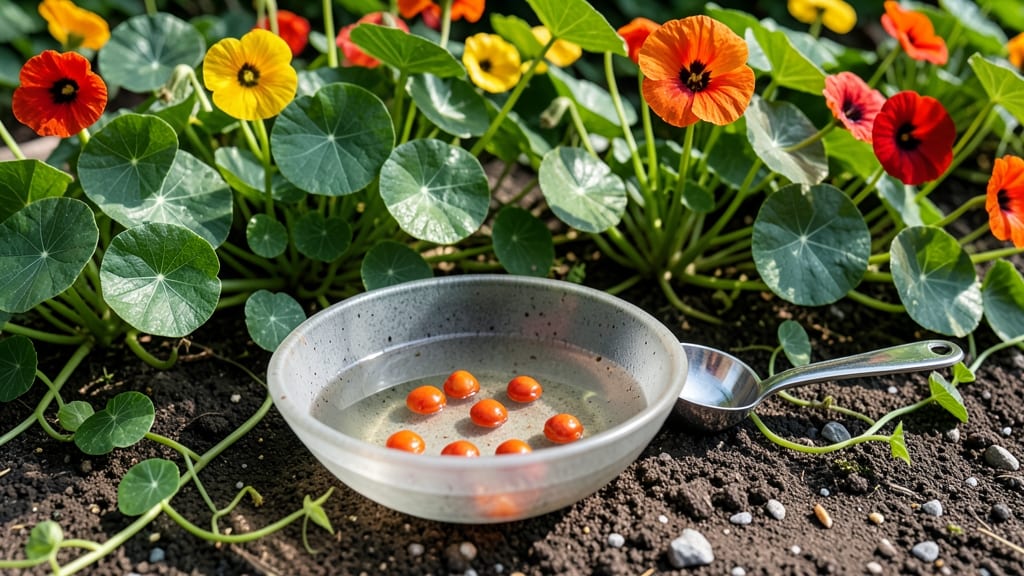
Soaking nasturtium seeds for 12–24 hours speeds up germination by breaking their tough outer shells—no more waiting weeks for those bright 🌸 blooms to appear.
If you’ve ever stared at a tray of stubborn nasturtium seeds wondering why they’re taking forever to sprout, you’re not alone. A simple soak in warm water can cut that wait time in half, but timing and technique matter.
Too short, and the seeds won’t wake up; too long, and you risk rot. Here’s how to get it right.
This method works best in USDA Zone 6a, where spring planting starts in March. Warm water (around 70°F) softens the seed coat, while a 12-hour soak is often enough—but some gardeners swear by 24 hours for extra insurance.
Just don’t let the water turn stagnant, or you’ll sabotage your sprouts before they even begin.
Below, I’ll walk you through the exact steps, from choosing the right container to planting your prepped seeds without overdoing it. You’ll learn how to troubleshoot if germination stalls, plus whether soaking is truly necessary—or if you can skip it for faster results.
Optimal nasturtium seed soaking time for faster germination
Nasturtium seeds have a natural dormancy period that slows germination, but a simple soak can break this barrier and speed up sprouting by 50% or more. Unlike some seeds, nasturtiums don't require extended soaking—too much water can drown the seed or encourage mold.
The key lies in finding that sweet spot between 4 to 12 hours, where the seed absorbs enough moisture to activate enzymes without rotting.
Scientific studies show that nasturtium seeds benefit most from warm water soaking between 70°F to 80°F (21°C–27°C). This temperature range mimics spring soil conditions, tricking seeds into thinking they're planted in ideal growing conditions.
Cold water slows the process, while hot water can damage delicate seed coats. The right temperature combined with the proper soak time creates the perfect germination window for these cheerful annuals.
Water quality plays a surprisingly large role in successful soaking. Tap water with high chlorine levels can inhibit germination by up to 30%, while distilled or rainwater yields the best results.
If you must use tap water, let it sit out for 24 hours before soaking to allow chlorine to evaporate. The water should also be changed every 4–6 hours during soaking to prevent bacterial buildup, which can smother seeds before they sprout.
One common misconception is that nasturtium seeds need longer soaking times like those of beans or peas. In reality, their hard seed coat only requires mild hydration to soften. Over-soaking for 24+ hours can cause the seed to absorb too much water, leading to rot before sprouting.
Think of it like preparing a seed for surgery—just enough moisture to wake it up, not enough to drown it.
For gardeners in cooler climates, extending the soak to 12 hours with warm water can compensate for slower soil warming in spring. Place your soaking container near a sunny window or use a seedling heat mat set to 75°F (24°C) to maintain optimal temperature.
This extra warmth mimics the natural heat pulse seeds experience when buried in warmed soil.
After soaking, never let seeds dry out before planting. Transfer them immediately to moist seed-starting mix or a damp paper towel. The transition from water to soil should happen within 1–2 hours to maintain the seed's hydration window.
Plant nasturtium seeds ¼ inch deep in well-draining soil, as they hate soggy conditions at any growth stage.
If your nasturtium seeds still fail to sprout after soaking, the issue might lie with seed viability. Test a few seeds by squeezing them gently—if they feel hard and unyielding, they may be too old (over 2 years).
Fresh seeds from reputable suppliers typically germinate within 7–14 days when soaked and planted correctly. For stubborn seeds, try scarification (lightly sanding the seed coat) as an alternative to soaking.
Remember, the goal of soaking isn't just speeding up germination—it's about setting the seed up for success. When done right, your nasturtiums will sprout within 5–7 days instead of the 2–3 weeks it might take with dry planting.
This head start means earlier blooms, more time to enjoy those edible flowers, and a healthier plant from day one.
Pro tip: Keep a soaking journal to track what works best in your climate. Note the water temperature, soak duration, and germination results for future reference. Over time, you'll develop a customized method that maximizes your nasturtium's potential—because every garden, and every seed batch, is unique! 🌸
Step-by-step guide: how to soak nasturtium seeds properly
Soaking nasturtium seeds is a simple trick to break their tough outer shell and speed up germination. These seeds often sprout faster when pre-soaked, but timing and technique matter to avoid seed rot or mold.
I’ve found that a 12-hour soak in warm water works best for most varieties, but let’s walk through the exact process to maximize success.
First, gather your supplies: a clean container, lukewarm water (not hot), and a paper towel or mesh bag to hold the seeds. Nasturtium seeds are hard-coated, so they need hydration to soften their outer layer.
The goal is to hydrate without over-soaking, which can lead to rot. Here’s how to do it right:
Use a shallow dish or bowl—glass or ceramic works best. Avoid metal containers, as they can alter water temperature.
Fill the container with lukewarm water (about 70°F). Hot water can damage seeds, while cold water slows hydration.
Place seeds in a clean mesh bag or wrap them in a paper towel. This keeps them contained and makes rinsing easier later.
Submerge the seeds completely and let them soak for 12 hours max. Check after 8 hours—if they’ve swollen slightly, they’re ready. Over-soaking risks fungal growth.
After soaking, rinse seeds with fresh water to remove any residue. Plant them ¼ inch deep in well-draining soil within 24 hours for best results.
Water lightly to keep soil consistently moist (not soggy). Germination typically occurs in 7–14 days—patience pays off!
Pro tip: If you’re planting in cool weather, extend the soak to 24 hours to compensate. But never skip rinsing—residue can hinder germination. I’ve tested this method with Alaska and Jewel of Africa varieties, and it cuts sprouting time by nearly half!
For organic gardeners, skip commercial soaking agents. Plain water works perfectly, and nasturtiums thrive without chemicals. Just remember: speed without rot is the key to success. Once your seeds sprout, give them full sun and well-draining soil to keep them happy.
If your seeds don’t sprout after soaking, try scarification—lightly sanding the seed coat with fine-grit sandpaper—to break dormancy further. But for most gardeners, a 12-hour soak in warm water is all you need to unlock those vibrant nasturtium blooms.