
Propagation
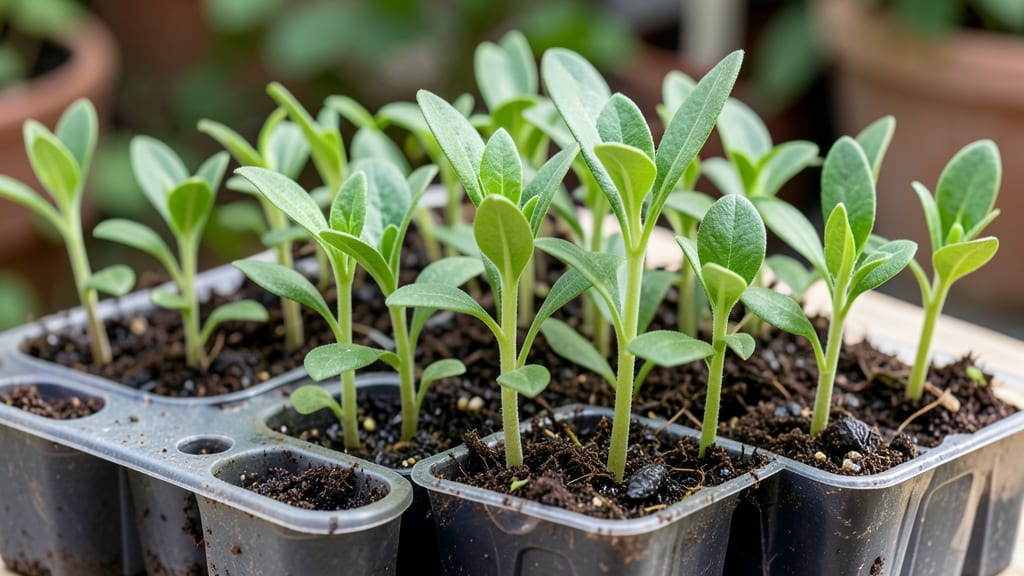
Snapdragon seeds germinate in 7 to 21 days under ideal conditions, but you can cut that time nearly in half with a few simple tricks—like keeping them warm and moist.
If you’ve ever waited weeks for those first tiny green shoots to appear, you’re not alone. The key to faster germination lies in understanding how temperature, moisture, and even soil type play a role.
In this guide, I’ll walk you through the perfect conditions for snapdragon seeds to sprout quickly, plus troubleshooting tips for when things go wrong.
Whether you’re a beginner or a seasoned gardener, these insights will help you get your 🌸 snapdragons off to a strong start—so you can enjoy vibrant blooms all season long.


Snapdragon seed germination timeline: what to expect under ideal conditions
If you're eager to see those snapdragon seeds crack open and sprout, understanding the germination timeline is key. Under ideal conditions, you can expect your first radicle emergence (that tiny white root) between 5 to 10 days, with full sprouting in 10 to 21 days.
But timing varies—some seeds pop up in just 3 days if you nail the conditions, while others may take up to 30 days if stressed.
The secret to speedy germination lies in three critical factors: soil temperature, moisture consistency, and oxygen flow. Snapdragons thrive when soil stays between 70°F and 80°F—think indoor warmth or a heated seed mat.
Too cold (below 60°F), and germination slows dramatically, sometimes stalling for weeks. Meanwhile, overly wet soil can suffocate seeds, while dry conditions halt hydration.
Here’s what to expect day by day under perfect conditions, plus how to spot early signs of success:
| Stage | Days to Expect | Key Signs | Critical Conditions |
|---|---|---|---|
| Radicle Emergence | 3–10 days | Tiny white root breaks seed coat | 70–80°F soil, moist but not soggy |
| Hypocotyl Elongation | 7–14 days | Seedling stem pushes upward | Indirect light, consistent moisture |
| Cotyledon Unfolding | 10–21 days | First true leaves appear (oval-shaped) | Bright light (but no direct sun yet) |
| True Leaves Form | 14–30 days | Lance-shaped leaves develop | Full sun exposure, well-draining soil |
On day 3–5, watch for the first radicle—a tiny white root—pushing through the seed coat. This is your green light that germination has started! If your soil is too cold (below 65°F), this stage can stretch to 2–3 weeks.
To speed things up, place trays on a seedling heat mat or nestle them in a warm spot like on top of your fridge.
By day 7–10, you’ll notice the hypocotyl (the seedling stem) stretching upward. This is when seedlings become most vulnerable to drying out or damping-off. Keep soil consistently moist (like a wrung-out sponge) and avoid overhead watering to prevent fungal issues.
If you see blackened stems at this stage, it’s a sign of damping-off, caused by too much moisture or poor airflow.
Around day 10–14, the cotyledons (those first tiny leaves) will unfold, followed by the true leaves in 14–21 days. True leaves look like miniature versions of adult snapdragon foliage—lance-shaped and serrated.
This is when seedlings are ready for direct sunlight, but introduce it gradually to avoid sunburn. Harden off seedlings by placing them outdoors for 1–2 hours daily, increasing time over 5–7 days.
If your seeds take longer than 21 days to sprout, don’t panic—it’s not uncommon. Some old or stored seeds may need scarification (lightly nicking the seed coat) or stratification (a cold period) to break dormancy.
For stubborn seeds, try soaking them in lukewarm water for 24 hours before replanting. Just remember: patience is key—snapdragons are slow starters compared to fast germinators like radishes or lettuce.
Pro tip: Use a clear plastic dome or humidity tray to maintain 80–90% humidity during the first 10 days. This mimics the natural moisture seeds need to break dormancy.
Once you see cotyledons, remove the dome gradually to acclimate seedlings to drier air. This prevents weak stems and encourages sturdy growth.
By day 30, your snapdragon seedlings should be 2–3 inches tall with 4–6 true leaves. At this stage, they’re ready for transplanting into individual pots or your garden. Choose a cloudy day or late afternoon to minimize <
5 Proven tricks to speed up snapdragon seed germination (without chemicals)
If you've ever waited weeks for snapdragon seeds to sprout, you're not alone. These delicate seeds often struggle with slow germination—unless you create the perfect conditions. The key lies in temperature control, moisture balance, and a little patience.
With the right tricks, you can cut germination time from 21 days down to just 5-7 days—without any chemical boosters!
Snapdragons thrive when their seeds experience consistent warmth and high humidity. Most gardeners overlook these two factors, leading to uneven sprouting or complete failure. But with simple, science-backed adjustments, you can transform your seed-starting game. Let's dive into the five fastest methods to coax those tiny seeds into action—naturally!
🌱 How Long for Snapdragon Seeds to Germinate?
- 5-7 days With heat mats and humidity domes under 75-80°F conditions
- 10-14 days Average time with room-temperature soil (65-70°F) and consistent moisture
- 3-4 weeks Slow germination caused by cold soil (below 60°F) or dry conditions
⚠️ Pro Tip: Pre-soaking seeds for 12-24 hours can shave off 3-5 days from germination time!
First up: pre-soaking. Snapdragon seeds have a hard outer coating that slows water absorption. Soak them in lukewarm water for 12-24 hours before planting. This hydrates the seed and kickstarts the metabolic processes needed for sprouting.
Just use a clean paper towel or mesh bag to contain them—no need for fancy equipment!
Next, focus on soil temperature. Snapdragons germinate best when soil stays between 70-80°F. If your home runs cooler, place your seed trays on a DIY heat mat.
You can create one using an old heating pad or even a rechargeable battery pack wrapped in a towel. Aim for consistent warmth—fluctuations can stall germination entirely.
Humidity is another game-changer. Use a plastic dome or clear plastic wrap to create a mini greenhouse effect over your seed tray. This traps moisture and keeps the soil consistently damp.
Check daily to prevent mold—just lift the cover for 10 minutes every morning. Pro tip: Place a shallow dish of water near the tray to boost humidity further!
Light plays a subtle but crucial role too. While seeds need darkness to germinate, once they sprout, they crave bright, indirect light. Use a grow light or place trays near a south-facing window.
Avoid direct sunlight at this stage—it can dry out the soil too quickly. Once seedlings emerge, move them to a sunny spot for 12 hours daily.
Finally, avoid overwatering! Snapdragon seeds rot quickly in soggy soil. Water gently from the bottom of the tray or use a spray bottle to mist the soil surface. Keep it moist but not waterlogged.
A good rule of thumb: If the top inch of soil feels dry, it's time to water. With these tricks, you'll see those first tiny green shoots in no time!