
How To
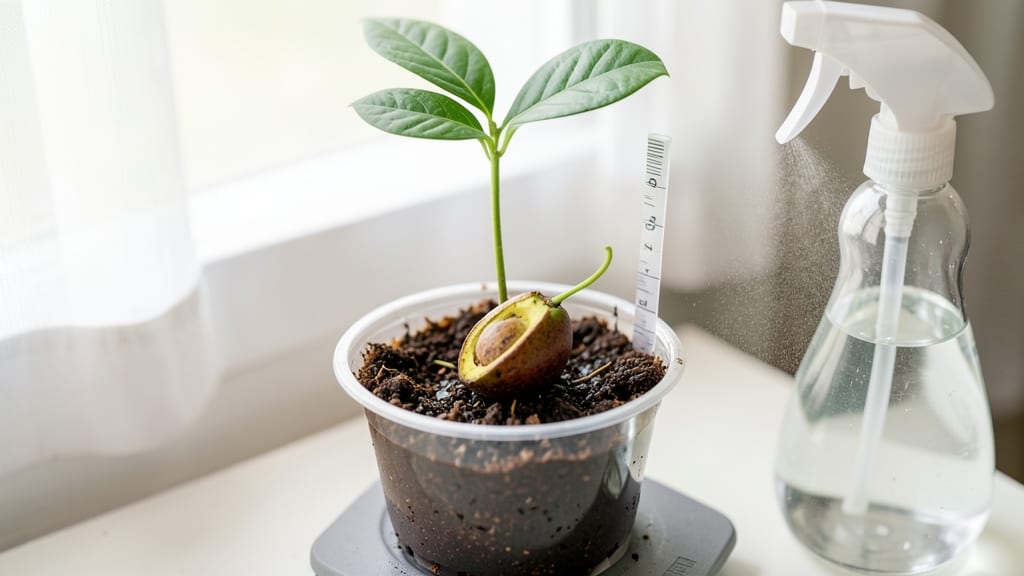
Sprouting an avocado seed takes 2 to 6 weeks with the right warmth and moisture, but many give up too soon before the magic happens.
Picture this: you’ve got your seed perched in a glass of water, watching for that first white root to peek out. Weeks pass, and nothing. You start second-guessing—was the seed even viable? The truth is, patience and consistency are the real game-changers here.
Temperature plays a huge role—ideal conditions hover around 70°F to 80°F, mimicking the warmth of a kitchen counter or a sunny windowsill. Too cold, and the process slows to a crawl; too hot, and you risk rot. Moisture matters just as much, but striking the right balance is tricky.
Below, I’ll break down the science-backed timeline, share my top tricks for speeding up sprouts, and help you troubleshoot common pitfalls—so you can go from seed to seedling without the guesswork.


Avocado seed germination timeline: days to sprout by method
Avocado seeds are notorious for their slow start, but understanding the germination timeline helps manage expectations. On average, it takes 2 to 6 weeks for a seed to sprout, depending on the method you use.
The water method (soaking in water) is the most popular, but soil germination can be faster with the right conditions. Even the hybrid method (partial soil exposure) has its own timeline quirks.
Temperature plays a huge role—ideal warmth (70-85°F) speeds up the process, while cooler environments can stretch germination to 8+ weeks. Humidity matters too: low humidity dries out the seed, while high humidity risks rot.
Fresh seeds sprout faster than dried or old ones, so always use seeds from store-bought avocados (not grocery store rejects).
Here’s a quick breakdown of what to expect by method, including the critical stages where delays often happen:
The water method is the slowest because the seed lacks direct soil nutrients, but it’s great for monitoring root growth. You’ll see a white root (1/4 inch) first, followed by a sprout breaking through the seed coat.
If you’re impatient, the soil method often wins—roots anchor faster in nutrient-rich soil, cutting 1–2 weeks off the timeline.
Humidity is your secret weapon. A clear plastic bag over the jar or pot creates a mini greenhouse, but avoid sealing it completely—condensation buildup can suffocate the seed. Aim for 60–70% humidity and check daily for mold. If you notice black spots, increase airflow immediately.
Temperature is non-negotiable. Avocado seeds won’t sprout below 60°F, and growth slows dramatically below 70°F. Use a seedling heat mat ($10–$15) if your home runs cool. Place your setup near a south-facing window or under grow lights for consistent warmth. Avoid drafts—cool windowsills are germination killers.
Freshness matters more than you think. A seed from a week-old avocado may sprout in 2 weeks, while one from a dried grocery store reject could take 8+ weeks or fail entirely.
Always choose seeds from ripe, firm avocados (the ones that yield slightly when pressed). Store-bought Hass avocados are your best bet—they’re bred for seed viability.
Light exposure after sprouting is critical. Once the sprout reaches 2–3 inches, move it to bright indirect light. Direct sun can scorch delicate seedlings, but low light stunts growth.
A grow light 6–12 inches away mimics ideal conditions. If using natural light, an east-facing window is perfect—it provides morning sun without harsh afternoon rays.
Patience is key, but don’t wait indefinitely. If your seed shows no root growth after 8 weeks, it’s likely dead. Discard it and try again—avocado seeds only need one good shot to sprout.
The soil method has the highest success rate (up to 70% with fresh seeds), while the water method averages 50% due to moisture fluctuations.
Pro tip: Keep a germination journal. Note the date you started, method used, temperature, and humidity. Over time, you’ll spot patterns—like how your soil method seeds sprout 2 weeks faster in summer vs. winter. Share your timeline with fellow gardeners to compare notes!
5 Proven tricks to speed up avocado seed sprouting
Waiting for your avocado seed to sprout can feel like an eternity, but with the right approach, you can cut that waiting time significantly. The key lies in understanding how to create the perfect conditions for germination.
While some seeds take 4-6 weeks to sprout, others may take twice that long if conditions aren't ideal. Let’s explore five science-backed tricks to help your seed break through faster and stronger.
First, let’s address the temperature dilemma. Avocado seeds germinate best in a warm environment, ideally between 70-85°F (21-29°C). If your home is cooler, consider placing your seed in a seedling heat mat or near a sunny window.
Warmth accelerates metabolic activity, helping the seed break dormancy faster. This simple adjustment can shave off 1-2 weeks from your germination timeline.
The next trick involves moisture management. Many gardeners overwater their seeds, leading to rot instead of sprouts. Instead of submerging the seed, keep it consistently damp by misting it daily with a spray bottle.
If you’re using the classic toothpick method, ensure the toothpicks are submerged in water but the seed itself stays just above the waterline. This balance prevents both drowning and drying out, both of which stall germination.
Here’s a pro tip: partially peel the seed. Avocado seeds have a tough outer coat that can slow down the germination process. Gently scrape off about one-third of the seed coat using a knife or sandpaper.
This small adjustment exposes the embryo to moisture and air more quickly, often reducing germination time by 10-15%. Think of it as giving your seed a head start—like helping it out of a cozy but confining blanket.
Light exposure plays a crucial role, too. While your seed doesn’t need direct sunlight to germinate, it does thrive in bright, indirect light. Place your seed near an east-facing window where it can receive gentle morning light without the risk of overheating.
Avoid placing it in harsh afternoon sun, which can dry out the seed too quickly. If natural light is limited, a grow light set to 12 hours a day can mimic ideal conditions and encourage faster sprouting.
Finally, let’s talk about germination aids. You can choose between a DIY approach (like the toothpick method) or a commercial germination kit. DIY methods are cost-effective and work well if you’re patient, but they require daily monitoring to maintain the right moisture and temperature.
Commercial kits, on the other hand, provide a controlled environment with built-in humidity and warmth, often speeding up the process by 2-3 weeks. If you’re serious about growing your avocado tree quickly, investing in a kit might be worth it.
With these five tricks, you’ll be well on your way to seeing those first white roots emerge in as little as 2-4 weeks instead of the usual 6.
Remember, every seed is unique, so stay patient and consistent with your care. Soon, you’ll have a tiny avocado sapling ready to grow into a beautiful tree! 🌱