
How To
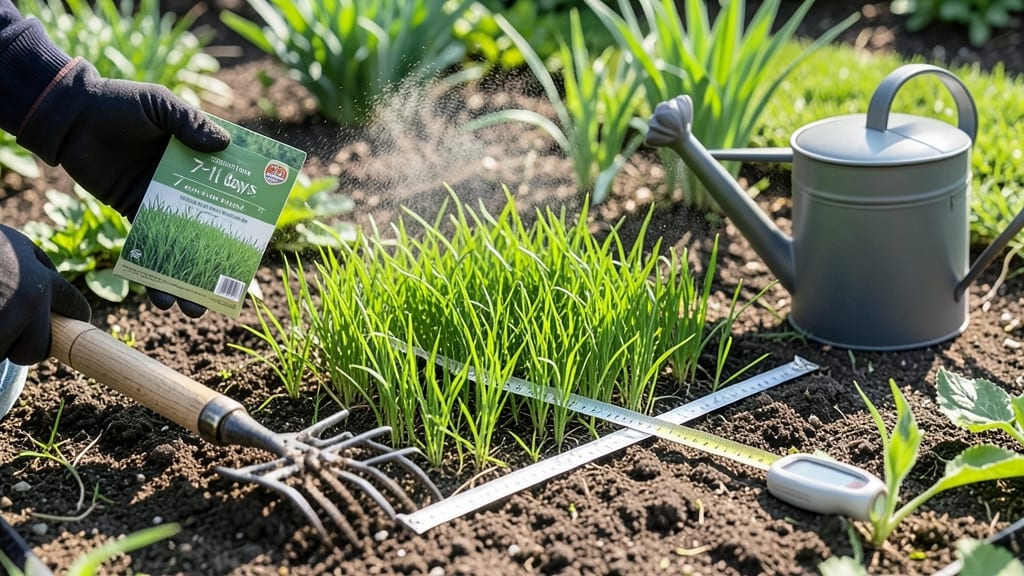
Growing grass seed takes anywhere from 7 to 21 days to sprout, depending on the type and conditions—but the real magic happens in the weeks after that.
Waiting for your newly seeded lawn to transform from bare soil to a vibrant green carpet can feel like an eternity. You’ve prepped the soil, scattered the seed, and watered faithfully, yet those first tiny shoots seem to take forever to appear.
The truth? Timing isn’t just about patience—it’s about knowing what to expect and how to give your grass the best shot at thriving.
In USDA Zone 6a, where spring and fall are the prime planting windows, cool-season grasses like fescue or ryegrass may pop up in as little as 5 days under ideal conditions, while warm-season types like Bermuda can take up to 3 weeks to break through the soil.
Soil temperature, moisture, and sunlight all play a role in speeding up—or slowing down—that process.
Below, I’ll break down the exact germination timeline for different grass types, how to troubleshoot delays, and the key steps to ensure your lawn reaches full coverage faster. No more guessing—just science-backed results.


Grass seed germination time by type: fastest to slowest sprouting species
Understanding grass seed germination times is the first step to a lush lawn. Different grass types sprout at wildly different speeds—some appear in just 5 days, while others take 30 days or more.
The key difference? Cool-season grasses (like ryegrass) germinate quickly in mild temperatures, while warm-season grasses (like Bermuda) need heat to wake up. Knowing your grass type and planting in the right USDA zone can shave weeks off your wait time.
Your planting window matters just as much as the seed type. For example, Kentucky Bluegrass seeds planted in Zone 6a during September-October will sprout faster than the same seeds planted in July because soil temperatures are ideal.
Meanwhile, Bermuda grass won’t even germinate until soil reaches 75°F, which can delay sprouting until late spring or summer in cooler regions.
Here’s the breakdown of grass seed germination times, ranked from fastest to slowest, along with the best conditions to meet these timelines:
| Grass Type | Germination Time | Ideal Soil Temp (°F) | Best Planting Window | Notes |
|---|---|---|---|---|
| Annual Ryegrass | 5–14 days | 50–75°F | Fall/Spring (Zones 3–10) | Fastest germinating; great for erosion control |
| Perennial Ryegrass | 7–21 days | 55–75°F | Spring/Fall (Zones 4–9) | Dense coverage; good for overseeding |
| Tall Fescue | 10–28 days | 60–75°F | Spring/Fall (Zones 4–8) | Drought-resistant; slow but steady growth |
| Fine Fescue | 14–30 days | 55–70°F | Fall (Zones 3–7) | Shade-tolerant; fine texture |
| Kentucky Bluegrass | 14–21 days | 55–70°F | Early Spring/Late Fall (Zones 3–9) | Spreads aggressively; needs full sun |
| Bermuda Grass | 14–30 days | 75–90°F | Late Spring (Zones 7–10) | Heat-loving; slow to germinate in cool soil |
| Zoysia Grass | 21–42 days | 75–85°F | Late Spring/Summer (Zones 5–10) | Drought-toler
Zone-specific growth timeline: when your lawn will be fully coveredYour grass seed won’t magically transform into a lush lawn overnight—but knowing your USDA zone and grass type lets you predict exactly when to expect 50% coverage, full density, and that first mowing. Warmer zones like Zone 9-11 see germination in just 7-14 days, while cooler Zone 3-5 areas may take 21-30 days to sprout. Let’s break down the month-by-month progression so you can plan accordingly. Understanding these timelines helps you avoid overwatering or premature mowing, both of which can stunt young grass. For example, cool-season grasses like Kentucky Bluegrass thrive in Zones 3-7 and reach 50% coverage in 3-4 weeks, while warm-season grasses like Bermuda in Zones 8-11 hit the same milestone in just 2-3 weeks. The key? Soil temperature drives speed—aim for 50-70°F for optimal germination. Once your grass hits 50% coverage, resist the urge to mow—wait until it reaches 3-4 inches tall for the first cut. This ensures roots establish deeply. In Zones 3-5, plan for a first mow at 8-10 weeks after seeding, while Zones 8-11 can mow as early as 5-6 weeks. Pro tip: Use a sharp mower blade to avoid tearing grass, which slows recovery. Seasonal timing matters too. Plant cool-season grasses in early fall (Sept-Oct) for a head start—these types grow slowly in summer but thrive when temps drop. Warm-season grasses, like Bermuda, should go in late spring (April-May) when soil warms to 65°F+. Miss these windows, and you’ll face uneven growth or weed competition. Monitor your lawn’s progress with these key milestones: sprouts appear (first sign of life!), 1-inch blades (time to reduce watering slightly), and dense coverage (ready for light fertilizer). Adjust your watering schedule as growth speeds up—deep, infrequent watering prevents shallow roots. Patience pays off: a well-timed lawn can handle foot traffic in 6-8 weeks for cool-season types or 4-6 weeks for warm-season varieties. If your lawn lags behind the timeline, check for soil compaction or poor drainage. Loosen soil with a rake and ensure 1/2 inch of water weekly (including rainfall). With the right |