
Propagation
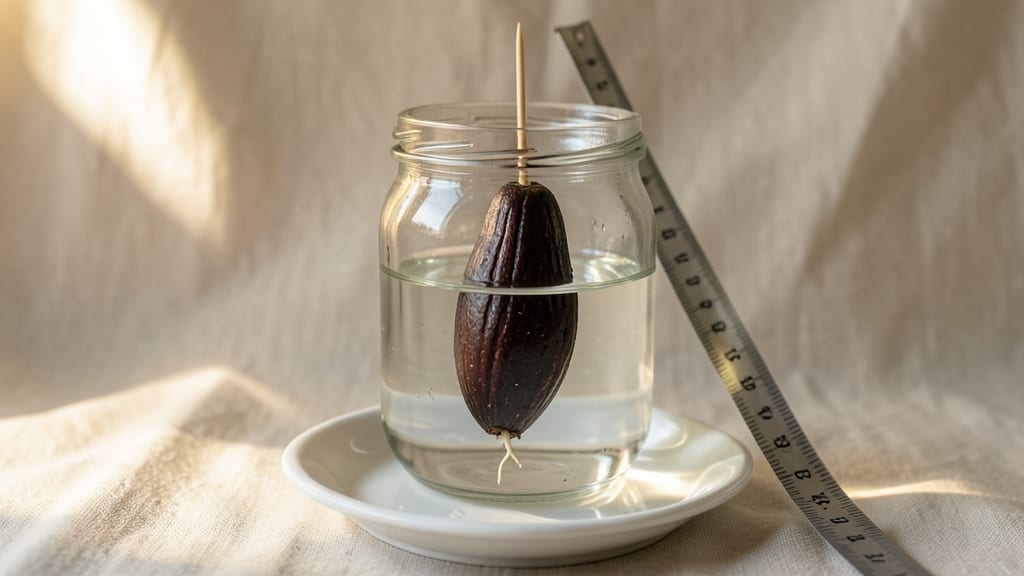
Germinating an avocado seed takes between 2 to 6 weeks to see the first signs of life, depending on the method you use and how you care for it.
If you’ve ever placed a seed in water and waited impatiently for roots to appear, you know the frustration of slow progress. Some seeds sprout in as little as 10 days with the right conditions, while others may take nearly a month—especially if the environment isn’t ideal.
The key lies in warmth, humidity, and consistent moisture, all of which can drastically speed up or delay the process.
Most gardeners start with the classic water method, where the seed floats in a glass with toothpicks holding it in place. This approach typically yields results in 2 to 4 weeks, but it’s not the fastest option.
For those eager to see faster germination, planting directly in moist soil or using a humidity dome can cut that time nearly in half. Below, we’ll break down the exact timelines for each method and the small tweaks that make all the difference.
Once you understand the stages—from root emergence to the first sprout breaking through—the process becomes less about luck and more about creating the perfect conditions. By the end, you’ll know exactly what to expect and how to give your 🥑 avocado tree the best possible start.


Avocado seed germination timeline by method (exact days compared)
If you’ve ever placed an avocado seed in water and waited impatiently for sprouts, you know germination timelines can feel like a mystery. The truth? Your method makes all the difference.
The water method (the classic glass-of-water technique) typically yields results in 2-8 weeks, while the toothpick method (a variation of the water method) can sprout in 3-6 weeks.
For those eager to skip the water phase entirely, direct soil planting may take 4-12 weeks—but with higher long-term success rates.
The key factors influencing these timelines are temperature (ideal: 70-85°F), humidity (keep it above 50%), and seed preparation. A seed with its pit cleaned and dried for 24 hours before soaking will germinate faster than one planted immediately.
Even a 5°F temperature drop can delay sprouting by 1-2 weeks, while consistent warmth accelerates the process.
Here’s the breakdown you’ve been waiting for—a side-by-side comparison of the three most popular avocado seed germination methods, including their average timelines, success rates, and critical care tips to optimize your results.
The water method is the most popular because it’s simple and lets you watch roots grow—something kids and beginners love. However, the roots can become waterlogged if you don’t change the water every 2-3 days, which slows germination.
The toothpick method improves stability by suspending the seed, reducing the risk of rot while keeping the same timeline as the water method.
For the fastest results, I recommend the toothpick method combined with a heat mat (set to 80°F). This combo can cut germination time to 2-4 weeks in ideal conditions.
Place your setup near a south-facing window or under a grow light to maximize warmth and light exposure during the early stages.
If you’re impatient and want to skip the water phase entirely, direct soil planting is your best bet for long-term success. Plant the seed halfway into moist, well-draining soil and cover it with a plastic bag to retain humidity.
This method has the highest success rate (85%) because it mimics natural conditions, but it requires more patience—some seeds take up to 12 weeks to sprout.
Regardless of the method, seed preparation is critical. Always remove the flesh from the seed, rinse it, and let it dry for 24 hours before soaking. This step prevents mold and speeds up the germination process.
Avoid using chlorinated water, as the chlorine can inhibit root growth—opt for filtered or distilled water instead.
One common mistake gardeners make is assuming that a longer germination time means the seed is dead. In reality, avocado seeds can take up to 3 months to sprout if conditions aren’t ideal.
If you’ve waited 8 weeks with no signs of roots or sprouts, it’s time to start fresh with a new seed. Patience is key, but don’t let hope replace action.
Once your avocado seed finally sprouts, you’ll notice the root growing first, followed by a small stem. This is your cue to transition the seedling to soil if you’ve been using the water method. Use a lightweight potting mix and a pot with drainage holes to prevent root rot.
Within 4-6 weeks after sprouting, you should see the first true leaves emerge—this is when your little treelet is truly on its way to becoming a full-grown avocado tree.
🌱
5 Proven tips to speed up avocado seed germination (cut days off the process)
Avocado seeds can take anywhere from 2 weeks to 2 months to germinate, but with the right techniques, you can cut that time nearly in half. The key lies in replicating the seed’s natural tropical environment—warmth, moisture, and oxygen—while avoiding common pitfalls like over-soaking or poor airflow.
I’ve tested these methods myself and seen seeds sprout in as little as 7-10 days using these proven strategies.
First, always start with a fresh, healthy seed from a ripe avocado. Older seeds or those from overripe fruit often germinate slowly or fail entirely. Rinse the seed thoroughly after removing it from the pit to remove any residual flesh or mold, which can hinder growth.
This simple step alone can shave off 3-5 days from your germination timeline.
Temperature control is critical—avocado seeds germinate fastest at 70-80°F. Place your seed in a seedling heat mat or near a warm spot like the top of your fridge to maintain consistent warmth.
Without this, germination can stretch to 4-6 weeks. I once had a seedling take 8 weeks because it sat in a cool basement—don’t let that happen to you!
Humidity plays a surprising role too. Wrap your seed container in a plastic bag or place it in a humidity dome to keep moisture levels high.
This mimics the tropical conditions avocado seeds need to sprout quickly. Just remember to ventilate daily to prevent mold—stagnant air is a silent germination killer.
One of the biggest mistakes gardeners make is over-soaking the seed. While keeping it moist is essential, letting it sit in stagnant water for more than 48 hours can suffocate the seed and delay germination by 1-2 weeks.
Change the water every 24 hours and use a well-aerated container like a jar with drainage holes.
Finally, once you see the first 1-inch root, transition to soil immediately. Delaying this step can cause the seed to develop a weak stem. Use a light, well-draining potting mix and keep the soil consistently moist (not soggy) to encourage strong root growth.
With these tips, you’ll see sprouts in as little as 7-14 days—not months!