
Lawn
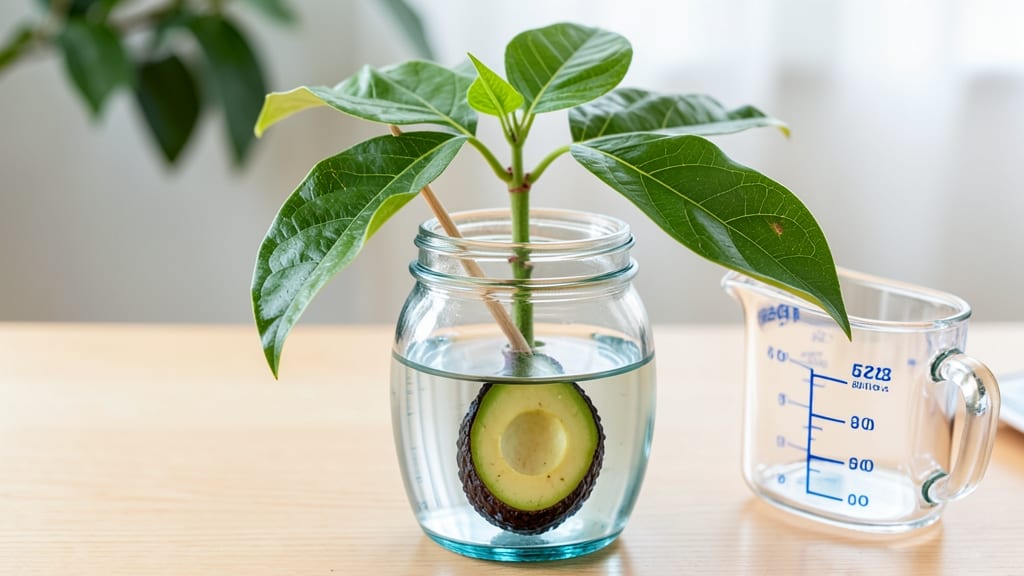
Growing an avocado seed in water is the easiest way to watch roots sprout in just 2-3 weeks—no soil required! 🌱 I’ve tried this with kids, and the excitement of seeing those first roots is unbeatable.
The method is simple, but patience is key, as it can take up to 6 weeks for strong roots to form before transplanting. All you need is a seed, toothpicks, a glass jar, and a little water.
The process mimics how avocado seeds naturally germinate in their tropical habitat, but indoors. Just balance the seed over the water, keeping the bottom half submerged while the top stays dry—this prevents rot and mold, which are the biggest pitfalls.
Once roots reach 3-4 inches, you’ll transplant into soil, though don’t expect fruit anytime soon. This is purely ornamental, but the journey teaches kids (and adults!) about plant growth. The thrill of watching those roots thicken and leaves unfurl makes it worth the wait.
Best of all, this method works year-round, whether you’re in a sunny kitchen or a bright living room. Here’s how to do it right the first time!
📚 In This Guide
- What you need
- Instructions
- Tips and common mistakes
- Wrapping up and next steps
What you need
- ● 1 ripe avocado – Choose one with a firm, unblemished seed.
- ● 1 sharp knife – For carefully slicing the seed.
- ● Toothpicks (3-4) – To suspend the seed above the water.
- ● 1 clean glass or jar – A tall, narrow container (8–12 oz) works best.
- ● Filtered or room-temperature water – Avoid tap water with high chlorine levels.
- ● Paper towels or a damp cloth – To keep the seed moist while roots develop.
- ● Organic fertilizer (diluted) – A few drops in the water can boost root growth.
- ● Clear glass or jar – Lets you track progress easily!
- ● Planting soil (later stage) – If you plan to transplant your seedling.
- ● Spray bottle – For gentle misting if the water level drops.
Step-by-step instructions for growing avocado roots in water
Here's the simple method I use to grow strong roots in just weeks—no soil needed.
🌱 Step 1: Prepare Your Avocado Seed
Start with a fresh avocado pit—don't use one that's been dried out or stored for months. Rinse it gently under cool water to remove any remaining fruit flesh. The key is to find the widest part of the seed where the stem was attached. Use a clean knife to carefully slice off about 1/3 inch from the bottom, exposing the white interior.
Here's the thing—you want to leave the top 2/3 of the seed intact because that's where the future plant will grow. I like to use a toothpick to prop the seed up vertically in a glass, but you can also balance it on the rim. The exposed bottom should sit just above the waterline, with only the tip submerged.
💧 Step 2: Add Water and Position Properly
Fill a clean glass or jar with enough water to cover just the bottom 1 inch of the seed. Too much water will rot the seed, while too little won't provide enough moisture for root growth. Tap water works fine, but if your water is heavily chlorinated, let it sit out for 24 hours first.
Place your glass in a spot with bright, indirect light—think east-facing windowsill or under a grow light. Direct sunlight will overheat the water and stress the seed. You'll see tiny white roots emerge from the bottom within 2-3 days. This is your signal everything is working!
☀️ Step 3: Maintain Water and Light Conditions
Change the water every 3-4 days to keep it fresh and oxygenated. Roots need air too, so don't let the water get stagnant. I like to use a glass with measurement markings so I can keep the water level consistent—always just enough to cover the roots but not the seed itself.
Watch for new roots growing downward. Within 2-3 weeks, you should see a network of roots about 2-3 inches long. If the roots turn brown or smell bad, that means the water's been too long without changing. This is the moment that matters: once roots reach 2 inches, you can either keep growing in water or transition to soil.
⏰ Step 4: Transition to Soil (Optional)
If you want to grow a full avocado tree, wait until roots are 3-4 inches long before planting. Fill a small pot with well-draining potting mix and make a hole large enough for the seed. Gently place the seed with roots down, covering the bottom half while leaving the top exposed.
Water lightly but don't soak the soil—avocado seedlings hate soggy roots. Keep the pot in bright, indirect light and maintain even moisture. Real talk: most avocado seeds never grow into trees, but that doesn't mean this project isn't worth trying. Even if it stops growing, watching those roots develop is rewarding enough.
Tips & tricks for growing avocado roots in water
Here's what I've learned from growing dozens of avocado seeds—these little details make all the difference.
Seed Selection: Choose a seed from a Hass avocado if possible—they're the most common and reliable for root growth. Look for a seed that's firm and heavy for its size, not light or shriveled. I've found that seeds from organic avocados tend to sprout more consistently than conventional ones. Confession: I skipped this step for years and wondered why some seeds never sprouted!
Water Quality Matters: The instructions mention letting chlorinated water sit out for 24 hours, but I've noticed even better results when using filtered or spring water. Tap water with high mineral content can leave white deposits on the roots, which may inhibit growth. If you don't have filtered water, simply using room-temperature tap water (not cold) works better than ice-cold water straight from the fridge.
Light Positioning: That bright, indirect light recommendation in Step 2 is crucial—but here's the thing about windowsills: north-facing windows provide the most consistent indirect light. If you only have south or west-facing windows, use a sheer curtain to diffuse the light. I've seen roots grow faster in artificial grow lights placed about 6-12 inches above the glass, especially in winter when natural light is weaker.
Root Health Monitoring: When checking for brown or smelly roots in Step 3, don't just look—give them a gentle swirl in the water. Healthy roots should feel firm and springy, while rotting roots will be mushy. If you notice any browning, immediately change the water and trim off any dark roots with clean scissors. This rescue strategy has saved many of my sprouts from total failure!
Pro Tips for Avocado Seed In Water
- Here's what I've learned from growing dozens of avocado seeds—these little details make all the difference.
- Seed Selection: Choose a seed from a Hass avocado if possible—they're the most common and reliable for root growth.
- Water Quality Matters: The instructions mention letting chlorinated water sit out for 24 hours, but I've noticed even better results when using filtered or spring water.
Frequently asked questions
How long does it take for an avocado seed to sprout roots in water?
The magic usually happens in 2–3 weeks, but patience is key! Roots may appear as tiny white tendrils within 7–10 days, while thicker roots can take up to a month. Keep the water fresh and warm (around 70–75°F) to speed things up.
What do I do if my avocado seed rots in water?
Rotting is a common issue if the water gets stagnant or the seed stays too long submerged. If you spot mold or a foul smell, remove the seed, trim any mushy parts, and restart with fresh water. Use a toothpick to poke drainage holes in the seed if needed—this helps prevent rot.
Can I plant the avocado seed in soil before roots grow?
Yes! While roots are ideal, you can plant the seed without them—just bury the flat side down about 1 inch deep in moist soil. Keep it in bright, indirect light and water lightly. Roots will develop underground, but growth may be slower. Patience pays off!
How often should I change the water?
Refresh the water every 2–3 days to prevent bacteria buildup. Use a clean jar or glass, and avoid tap water with chlorine—let it sit out overnight or use filtered water. If the water turns cloudy or smells off, change it immediately.
What if my avocado seed only grows roots but no leaves?
Don’t worry—this is normal! Once roots reach 2–3 inches long, transfer the seed to soil to encourage leaf growth. Use well-draining potting mix, keep it in bright, indirect sunlight, and mist the soil lightly. Leaves should appear in 4–8 weeks.
Can I reuse the water after growing avocado roots?
No, toss the old water—it’s nutrient-rich but can harbor bacteria. However, you can compost the water (if it’s just dirty, not moldy) or use it to water houseplants. Just avoid overwatering, as avocado seeds are sensitive to soggy conditions.
Wrapping up and next steps
Growing an avocado seed in water is a fun, rewarding, and soil-free way to nurture life right in your kitchen! With just patience and a few simple steps, you can watch roots sprout in 2-3 weeks—proving that nature’s magic doesn’t need dirt to thrive. 🌱✨
Now that you’re armed with tips and answers, why not take the next step? Try this experiment with your family or friends, or even transplant your rooted seed into soil to grow a full avocado tree. The possibilities are as endless as your creativity!