
Size
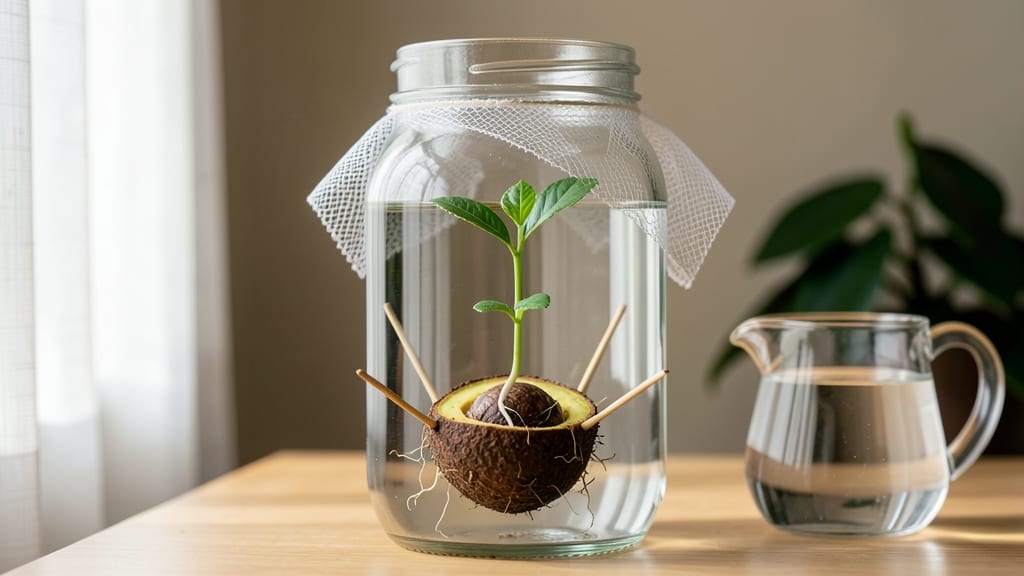
Growing an avocado seed in water is the fastest way to start your own plant—roots appear in just 2-3 weeks if you do it right. 🌱 I tried this with a store-bought avocado pit, and within weeks, I had a thriving little seedling with roots long enough to handle.
The key is keeping the water fresh and the pit upright so it doesn’t rot before it sprouts.
All you need is a clean avocado pit, a glass or jar, toothpicks, and water. No fancy equipment—just patience and a sunny windowsill. The toothpicks prop up the pit so only the bottom half sits in water, which prevents mold and encourages roots to grow downward.
Change the water every few days to keep it oxygenated and bacteria-free.
Once you see roots about 4-6 inches long, it’s time to transplant into soil. The first leaves will appear in 4-8 weeks, and with proper care, your seedling could grow into a full-sized tree in 10-20 years.
The best part? You’ll have a living reminder of your first gardening success every time you see it.
This method works year-round, but spring and summer give the fastest results. If your water gets cloudy or smells funky, that’s a sign to refresh it immediately. With just a little attention, you’ll have a healthy avocado seedling ready for its next growth stage.
📚 In This Guide
- What you need
- Instructions
- Tips and common mistakes
- Wrapping up and next steps
What you need
- ● 1 fresh avocado pit – Choose a seed from a ripe, organic avocado (💡 Pro tip: The larger the pit, the better the chances of success!
- ● 3-4 toothpicks or small skewers – For balancing the seed in water (avoid plastic; wood works best).
- ● 1 clear glass or jar – At least 12 oz (350 mL) in size, with smooth sides for visibility (mason jars or drinking glasses work great!).
- ● Filtered or room-temperature water – Tap water is fine, but avoid chlorinated or overly hard water.
- ○ Optional: food-safe marker or tape – To label your seedling’s growth date.
- ● Small plate or saucer – To catch water spills and keep your counter clean.
- ● Spray bottle with water – For misting the seed if it dries out.
- ● Grow light or sunny windowsill – If your space lacks natural light (6+ hours of indirect sunlight/day is ideal).
- ● Patience & a notebook – To track root growth and milestones!
Step-by-step instructions for growing an avocado seed in water
Here's how to turn a pit into a thriving plant using just water and a little patience.
🌱 Step 1: Prepare the Avocado Seed for Planting
Start with a fresh avocado pit—one that's firm but not dried out. Rinse it thoroughly to remove any remaining fruit residue, then let it air dry for 10-15 minutes. This prevents mold from forming in your water later. I always use a paper towel to gently pat it dry, making sure no moisture clings to the surface.
Next, find the widest part of the pit where the seed naturally narrows. This is your target area for inserting toothpicks. Place 3 toothpicks evenly around the pit, about ½ inch apart, so they form a tripod. The toothpicks should sit ¼ inch above the pit's widest point—this creates space for water to reach the seed's base without submerging the top.
Here's the thing—don't force the toothpicks in. They should hold the pit steady without piercing the skin. If you push too hard, you'll damage the seed's potential growth area. Test by gently rocking the pit; it should stay balanced without wobbling.
💧 Step 2: Create the Water Container and Submerge the Seed
Fill a clean glass or jar with enough water to cover about 1 inch of the toothpicks when the pit is placed inside. Use room-temperature water—cold water can shock the seed, while warm water speeds up mold growth. I like to use a clear glass so I can monitor the water level and root progress easily.
Position the avocado pit so the widest part sits just above the waterline, and the narrow end dips into the water. The toothpicks should hold it steady without touching the sides of the container. You want the seed's base submerged but the top exposed to air—this encourages root growth while preventing rot.
Change the water every 3-4 days to keep it fresh. Stagnant water smells foul and invites mold, which can kill your seed before roots even form. I set a reminder on my phone because, trust me, you'll forget after a week.
☀️ Step 3: Place in Bright, Indirect Light and Monitor Growth
Find a spot near a window that gets bright, indirect light—think east-facing or a few feet back from a south-facing window. Direct sunlight causes the water to heat up too quickly, which can cook the seed or encourage algae growth. You'll see the water turn cloudy or greenish as roots develop; this is normal and happens within 2-4 weeks.
Roots will sprout from the narrow end first. When they reach about 2-3 inches long, that's your signal to start checking for root strength. Gently tug on the longest root—if it resists slightly, it's ready for the next step. Weak roots will pull right out, and you'll need to wait another week.
Don't overwater now. You'll know moisture is right when the water level stays consistent between changes. If the water evaporates too quickly, your container might be too small or the room too dry. A humidifier nearby helps maintain steady conditions.
🪴 Step 4: Transition to Soil and Pot When Roots Are Strong
Once roots reach 4-6 inches and the seed shows signs of a tiny sprout at the top, it's time to plant. Fill a small pot—4-6 inches deep—with well-draining potting mix. I like to mix in a little perlite to prevent compaction, which avocado roots hate.
Remove the pit from the water and let the roots dry for 5 minutes. This prevents them from rotting when buried. Dig a hole in the soil deep enough to bury about half of the pit, leaving the top exposed. Gently press the soil around the pit to secure it without compacting.
Water lightly but thoroughly, then place the pot in a warm, bright spot. Avoid direct sun for the first week—your avocado seedling is still adjusting. You'll see new leaves emerge within 4-6 weeks, signaling it's thriving in soil.
⏰ Step 5: Maintain Humidity and Light for Ongoing Growth
Avocado seedlings need 60-70% humidity to grow well. If your home is dry, mist the leaves daily or place the pot on a tray of pebbles filled with water. The pebble method creates a natural humid microclimate without overwatering the soil.
Rotate the pot a quarter turn weekly so the plant grows straight toward the light, not lopsided. You'll notice leaves yellowing if the light is insufficient—move the plant closer to the window or supplement with a grow light for 12-14 hours daily.
This is the moment that matters: Patience. Avocado trees grow slowly, but with consistent care, you'll have a 3-foot-tall plant in 3-5 years. Keep the soil lightly moist (never soggy) and fertilize lightly every 2 months with a balanced houseplant fertilizer.
Tips & tricks for growing avocado seeds in water
Real talk: Growing an avocado seed into a thriving plant is easier than you think—if you avoid these common pitfalls. Here's how to set yourself up for success from the very first step.
Seed Selection Matters: Not all avocado pits will sprout successfully. Choose a pit from a ripe, organic avocado—these tend to have higher germination rates. I've found Hass avocados work best because their seeds are larger and more resilient. Avoid pits that feel hollow when tapped (they're dried out) or have cracks (they're damaged). Once you've selected your pit, the 10-15 minute drying time in Step 1 isn't just about preventing mold—it's also about waking up the seed's natural enzymes. Think of it like giving your avocado a gentle wake-up call before the big event.
The Toothpick Technique: When inserting those 3 toothpicks in Step 1, position them symmetrically so they form an even tripod. This creates perfect balance for your seed. I learned this the hard way after watching my first pit wobble dramatically—it nearly tipped over during the water phase! The ¼-inch spacing above the widest point is crucial because it allows just enough water to reach the seed's base without submerging the top. If the pit sits too high, roots won't form; if it sits too low, the seed will rot. Aim for that sweet spot where the widest part stays just above water.
Water Quality and Maintenance: The instructions mention changing water every 3-4 days, but here's what nobody tells you—use filtered or distilled water if possible. Tap water often contains chlorine and minerals that can inhibit root growth. When you notice the water turning cloudy (usually within 2-4 weeks), that's actually a good sign—it means roots are actively growing! Just change the water immediately to prevent mold. Pro tip: Place your container in a spot where you'll see it daily, like on your kitchen counter near your coffee maker. Out of sight means out of mind—and forgotten water changes.
Lighting for Success: That bright, indirect light in Step 3 is non-negotiable. East-facing windows are ideal because they provide gentle morning sunlight without the harsh afternoon heat. If you only have south-facing windows, place your avocado seedling 3-4 feet back from the glass. I've seen people use grow lights successfully, but if you go this route, keep it running for exactly 12-14 hours daily—any more and you risk burning the delicate roots. Watch for leaves turning yellow or curling; these are your plant's way of saying "I need more light" or "I'm getting too much heat."
Pro Tips for Grow An Avocado Seed In Water
- Real talk: Growing an avocado seed into a thriving plant is easier than you think—if you avoid these common pitfalls.
- Seed Selection Matters: Not all avocado pits will sprout successfully.
- The Toothpick Technique: When inserting those 3 toothpicks in Step 1, position them symmetrically so they form an even tripod.
Frequently asked questions
How long does it take for an avocado seed to sprout roots in water?
Patience is key! Most avocado seeds start showing roots in 2–6 weeks, depending on the seed’s health and water temperature (warmth speeds it up). Keep the seed in lukewarm water (not cold) and change it every 2–3 days to avoid mold. If nothing happens after 8 weeks, the seed may not be viable—try another one!
Why is my avocado seed rotting in water?
Rotting usually means the seed is sitting in stagnant, cold, or dirty water. Fix it by:
- Using fresh, filtered water (chlorine-free if possible).
- Keeping the seed half-submerged (only the bottom 1–2 inches in water).
- Rinsing the jar daily to prevent bacteria buildup.
- Moving it to a warmer spot (like near a sunny window).
Can I grow an avocado seed without using water?
Yes! If you prefer a soil-only method, skip the water phase and plant the seed directly in well-draining potting mix (like cactus soil). Bury ⅔ of the seed with the pointed end up, water lightly, and keep it in bright, indirect light. Roots will emerge in 4–8 weeks, but this method is trickier for beginners.
How do I know when to transplant the avocado seedling to soil?
Transplant when the roots are 3–6 inches long and you see tiny leaves (not just the root cap). Use a small pot with drainage holes and a mix of potting soil + perlite (60/40 ratio). Bury the seedling up to its first leaves and water gently. Avoid direct sunlight for the first week to reduce shock.
Will my avocado tree ever produce fruit?
Growing an avocado from seed is a long-term project—it can take 5–13 years to bear fruit, and even then, homegrown trees rarely match grocery-store varieties. For faster (but less rewarding) results, buy a grafted avocado tree from a nursery. If you’re patient, your seedling might surprise you with small, inedible fruit after a decade!
Wrapping up and next steps
Growing an avocado seed in water is a fun, rewarding, and eco-friendly project that brings a touch of green to your kitchen! 🌱 With just a few simple steps—patience, consistent care, and a little creativity—you’ll watch roots sprout and thrive in no time.
Once your seedling is ready, the next exciting step is planting it in soil to nurture it into a full-grown avocado tree.
Don’t stop here—experiment with different containers, track your seedling’s growth, and share your progress with fellow plant lovers. Every tiny root and leaf is a step toward a thriving, homegrown avocado plant. Happy growing! 🌿