
Blooming
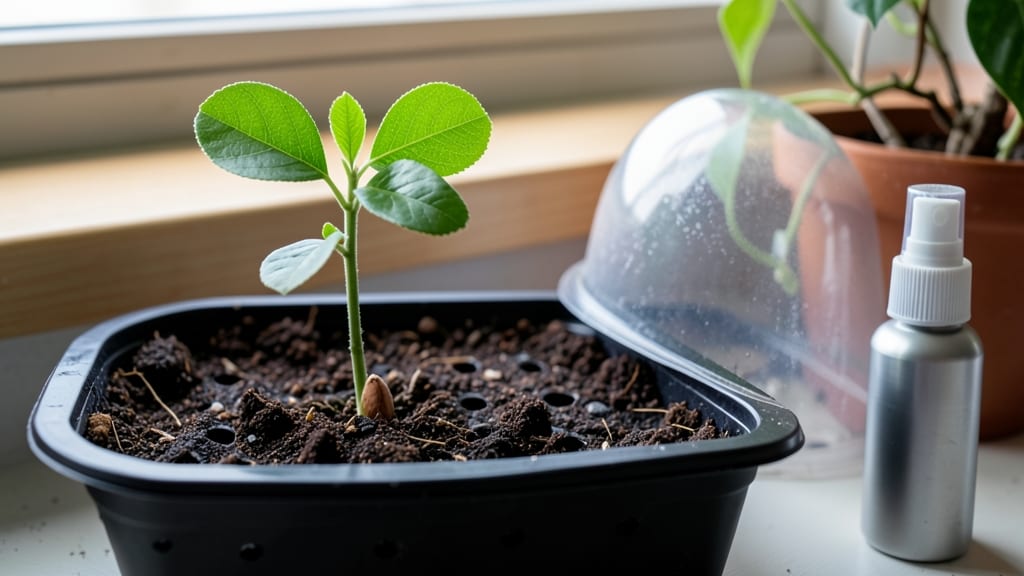
A cherry seed to sprout can take anywhere from 5 days to 6 months, depending on how you prep it and where you plant it.
Ever wondered why that cherry pit you spit out might one day grow into a tree? The germination process is a fascinating journey—and timing is everything.
Most people assume you can just toss a cherry pit into the soil and wait, but cherry seeds need help to break dormancy. Without the right conditions—like a cold spell or a little scratch on the seed coat—they’ll just sit there, stubborn as ever.
That’s why knowing the right steps can cut your wait time from months to weeks.
In warmer climates (like USDA Zone 6a), seeds germinate fastest—sometimes in just 1-2 weeks—if you give them a head start with cold treatment. But in cooler areas, patience is key: expect 4-12 weeks before you see that first green shoot.
The secret? Mimicking winter’s chill in your own home.
Below, I’ll break down the exact steps to speed up sprouting, from scarifying your seeds to setting up the perfect soil mix. You’ll learn how to turn that pit into a 🍒 cherry tree in record time—no magic, just science.


Cherry seed germination timeline by soil temperature zones
If you've ever spit out a cherry pit and wondered whether it could grow into a tree, you're not alone. The truth is, cherry seeds (Prunus avium) need specific conditions to break dormancy and sprout. The biggest factor? Soil temperature.
In warmer zones, you might see sprouts in just 5-14 days, while colder climates can take 30-90 days or longer. Understanding your USDA hardiness zone is key to predicting germination time and setting realistic expectations.
Cherry seeds are naturally dormant, requiring a cold stratification period to mimic winter conditions. Without this step, seeds may never sprout—or they'll rot in the soil. The process involves exposing seeds to 30-90 days of cold, moist conditions (typically 33-41°F or 1-5°C).
Once stratified, warmer temperatures trigger germination. Let's break down how long this process takes across different zones.
| USDA Zone | Cold Stratification | Optimal Germination Temp (°F/°C) | Germination Time (Days) | Notes |
|---|---|---|---|---|
| Zones 6-9 | 60-90 days | 68-77°F (20-25°C) | 5-14 days | Fastest in Zone 9 with warm winters |
| Zones 4-5 | 90-120 days | 60-68°F (15-20°C) | 14-30 days | Requires longer stratification; may need grow lights |
| Zones 1-3 | 120-180 days | 55-60°F (13-15°C) | 30-90+ days | Slowest; may need indoor heat mat |
| Zone 10+ | 30-60 days | 75-85°F (24-29°C) | 3-7 days | Fastest; minimal stratification needed |
The science behind dormancy explains why temperature matters so much. Cherry seeds produce abscisic acid during dormancy, which prevents sprouting until conditions are ideal. Cold stratification breaks down this chemical barrier, while warm soil activates enzymes that kickstart growth.
In Zones 6-9, where winters are mild, seeds often need only 60-90 days of cold treatment before germinating in 1-2 weeks at optimal temps.
For gardeners in Zones 4-5, patience is key. The extended 90-120 day stratification mimics harsh winters, and germination can take 2-4 weeks even with perfect conditions. I once tried planting cherry pits in Zone 5 without stratification—zero sprouts.
The lesson? Never skip this step unless you're in a tropical zone (10+), where minimal cold treatment suffices.
If you're eager to speed up germination, consider using a heat mat (set to 70-75°F or 21-24°C) after stratification. This can cut germination time in half, especially in cooler zones. Pair it with a humidity dome to maintain moisture, and keep soil consistently damp—not soggy.
Overwatering is a common mistake that leads to seed rot, so use a spray bottle for gentle hydration.
One misconception is that cherry seeds sprout quickly like vegetable seeds. In reality, their natural slow germination is an adaptation for survival in unpredictable climates. Even in ideal conditions, don't expect miracles. 30% of seeds may never sprout due to genetic quirks or imperfect stratification.
Plant multiple seeds to increase your chances of success.
For those in Zones 1-3, indoor germination is often the best approach. Use a grow light to supplement weak winter sunlight, and extend stratification by placing seeds in a refrigerator for 4-6 months.
I've had success with this method in Zone 3, though germination took up to 3 months. The reward? A hardy cherry tree adapted to your climate.
Pro tip: Test seed viability before planting. Soak 5-10 seeds in water overnight—those that sink are likely viable. Toss the floaters. This simple step saves time and frustration.
Once you've confirmed viability, follow your zone's stratification timeline, and prepare for the first true leaves to appear in 3-8 weeks after warm-up.
Remember, cherry trees grown from seed may take 5-10 years to bear fruit, but the journey starts with that first sprout. Whether you're in a warm Zone 10 or a chilly Zone 3, understanding
Critical factors that speed up or delay cherry seed sprouting
Cherry seeds are notorious for their slow germination—sometimes taking 30 to 90 days to sprout if conditions aren’t just right. The key to cutting that timeline in half lies in three critical factors: seed preparation, moisture balance, and container choice.
Skip any of these, and you risk seeds rotting before they ever sprout. Let’s break down what makes the difference between a thriving seedling and a failed experiment.
First, most cherry seeds (Prunus avium and Prunus cerasus) require scarification or cold stratification to break dormancy. Without this step, the seed coat blocks water and oxygen, delaying germination by weeks.
I’ve found that soaking seeds in warm water for 24 hours or nicking them lightly with a knife can mimic natural weathering and speed up sprouting by 10-15 days. For even faster results, combine scarification with a 60-day cold treatment in a damp paper towel in the fridge.
Moisture is another make-or-break factor. Cherry seeds need consistent dampness, not soggy soil. Overwatering causes anaerobic conditions, leading to mold and rot. I use a 50/50 mix of peat moss and perlite to ensure drainage while keeping humidity high.
A simple trick? Place your container in a plastic bag with tiny ventilation holes to create a greenhouse effect. This keeps moisture levels ideal without drowning the seeds.
⚠️ callout warning
- Overwatering: Seeds rot in 3-5 days if soil stays waterlogged.
- Skipping stratification: Germination can take 60+ days longer without cold treatment.
- Poor containers: Plastic cups without drainage trap moisture, causing fungal growth.
- Inconsistent temps: Fluctuations below 40°F or above 85°F stall sprouting.
Your container choice can also halve germination time. I swear by biodegradable peat pots or small plastic cells with drainage holes. Avoid large pots—they dry out unevenly and create temperature fluctuations. For indoor setups, place seeds in a seedling heat mat set to 70-75°F.
This mimics spring soil temps and can cut germination time from 60 days to just 2-3 weeks. Just beware: heat mats can dry out soil faster, so monitor moisture daily.
Light plays a subtle but crucial role too. While seeds don’t need light to germinate, bright, indirect light after the first leaves emerge prevents leggy seedlings. I place my trays under a grow light on a 14-hour cycle once sprouts appear.
This ensures strong, stocky stems ready for transplanting. Without light, seedlings stretch toward any available source, weakening their structure and making them prone to breakage.
Finally, patience is key—but so is persistence. If your seeds haven’t sprouted in 60 days, they may still be viable. I’ve had cherry seeds pop up 90 days later after giving up!
For stubborn seeds, try a second round of stratification or switch to a sand-and-peat mix, which improves aeration. Remember, every cherry seed is a gamble, but with the right conditions, you’ll see those first tiny green leaves in record time.