
How To
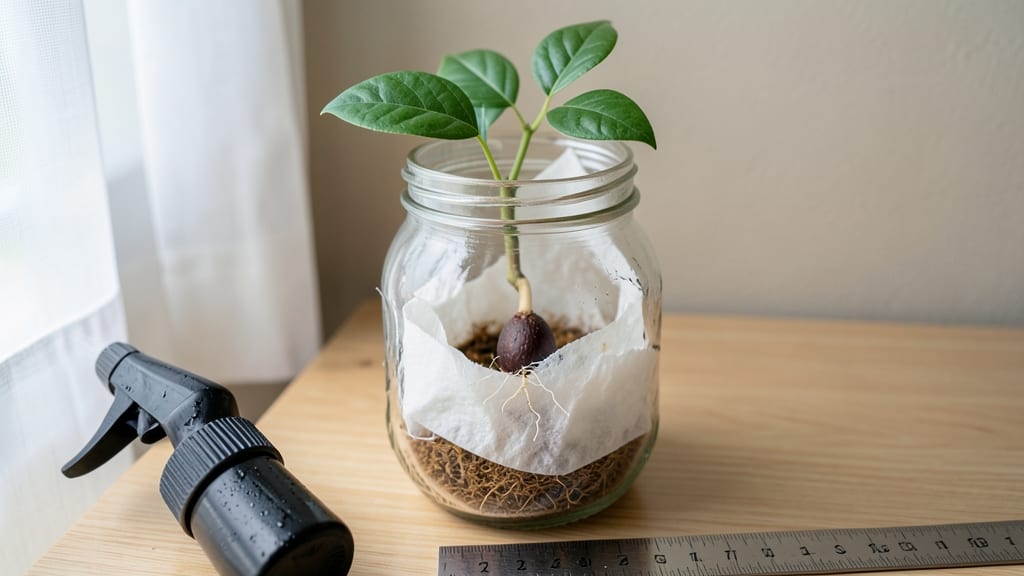
Avocado seeds take anywhere from 2 to 8 weeks to sprout, depending on variety, care, and patience—though some stubborn seeds stretch that timeline to months.
Picture this: you’ve got your toothpick propped, your glass jar filled with water, and you’re checking daily for the first crack. But weeks pass, and nothing. It’s frustrating, especially when you know the 🥑 potential lurking inside that pit.
Here’s the truth: germination speed depends on more than just luck. Temperature, moisture, and even the seed’s health play a huge role. Some varieties, like Hass, sprout faster than others, while poor preparation—like skipping the soak or using stale seeds—can stall progress for weeks.
Don’t worry, though. With the right setup, you’ll see those first roots in as little as 2 weeks, and a full seedling in just a few months. I’ll walk you through the exact steps to speed up sprouting—and what to do when your seed just won’t cooperate.


Avocado seed germination timeline by variety: what to expect
If you’ve ever cracked open an avocado pit and wondered, "How long does avocado seed take to sprout?" you’re not alone. The answer isn’t one-size-fits-all—it depends on the variety, your germination method, and even the seed’s age.
While some seeds pop in 2 weeks, others may take 3-4 months or longer. Let’s break down what to expect for popular varieties like Hass, Fuerte, and Bacon, plus why timelines vary so widely.
First, it’s critical to understand that root sprouting and shoot emergence are two distinct stages. Roots often appear first—sometimes within 7-14 days—while the shoot (the actual plant stem) may take another 2-8 weeks to break through the soil.
This delay is normal, especially in larger seeds like Hass, which store more energy but require more time to mobilize it.
Here’s the key: Hass avocado seeds (the most common variety) typically sprout roots in 2-4 weeks and shoots in 4-8 weeks.
However, Fuerte seeds often germinate faster—roots in 1-2 weeks and shoots in 3-6 weeks. Bacon seeds, while less common, usually follow a similar timeline to Hass but may take slightly longer due to their thicker seed coat.
The variation isn’t just about the variety—it’s also about how you prepare the seed and maintain its environment.
🌱 Pro Tip: Soaking your seed for 24-48 hours before planting can cut germination time by 30-50%. Place the pit in water with just the top third exposed to oxygen—this mimics natural conditions and kickstarts metabolic activity.
Why do some seeds take months longer than others? The answer lies in three key factors: seed age, storage conditions, and genetic dormancy. Older seeds (over 6 months since harvest) often have lower viability, while seeds stored in dry, cool conditions retain more energy.
Even within the same variety, 10-20% of seeds may never sprout due to internal dormancy or damage during extraction.
For example, a Hass seed from a grocery store (often 6-12 months old) may take 2-3 weeks longer to sprout than a fresh seed from a homegrown avocado.
That’s why I always recommend using seeds from recently harvested fruit—or at least storing them in a paper towel in the fridge if you’re not planting them immediately. The difference in germination speed can be staggering.
Another common misconception is that bigger seeds sprout faster. In reality, larger seeds like Hass often take longer because they require more time to break down stored nutrients and support early growth.
The root system may appear quickly, but the shoot struggles to emerge until the seed has mobilized enough energy. This is why you’ll see roots 1-2 inches long before the first green
5 Factors that speed up or delay avocado seed sprouting
When you’re eagerly waiting for your avocado seed to sprout, the timeline can feel like an eternity—especially if you’re comparing notes with friends whose seeds popped in two weeks while yours hasn’t budged.
The truth? Germination speed hinges on five key factors under your control. Mastering these will help you avoid common pitfalls and coax that first green shoot to break through faster.
First, let’s tackle the temperature range. Avocado seeds thrive in warmth, but extremes can stall or even kill germination. While 70–85°F (21–29°C) is ideal, temperatures below 60°F (15°C) or above 90°F (32°C) slow progress dramatically.
If your home dips into the cool side, consider a seedling heat mat or relocate your setup near a sunny window.
Next up: humidity levels. Avocado seeds need consistent moisture to soften their tough outer shell, but soggy conditions breed mold and rot. Aim for 60–70% humidity around your seed.
A clear plastic bag with small air holes or a humidifier can create the perfect microclimate. Pro tip: Mist the seed lightly every 2–3 days to maintain moisture without drowning it.
- 🌡️ 2–4 weeks: Ideal conditions (70–85°F, consistent moisture, proper toothpick placement)
- 🌱 4–8 weeks: Average home conditions (room temp, occasional watering, no toothpick)
- 🌡️ 8–12+ weeks: Cool temps (<60°F), low humidity, or improper seed prep (e.g., no soaking)
The toothpick method is a classic hack, but it’s not mandatory—and doing it wrong can delay sprouting. Inserting a toothpick or skewer through the seed’s center helps stabilize it in water, but the real magic happens when you let the seed soak for 24–48 hours first.
This softens the shell, making it easier for roots to emerge. Skip the toothpick entirely if you’re using a well-draining soil mix instead of water.
Don’t underestimate the power of seed preparation. Many gardeners rush to plant the seed without proper prep, only to watch it sit dormant for weeks. Always remove the pit’s flesh (it can rot) and scrub off the outer skin to expose the seed.
Then, soak it in water for 1–2 days—this jumpstarts hydration and speeds up the germination process. A quick rinse before planting removes any lingering pesticide residues from store-bought avocados.
Finally, common mistakes like overwatering, poor airflow, or using the wrong container can turn your patience into frustration. Avoid glass jars without drainage (they trap excess moisture), and never let the seed sit in stagnant water.
Instead, use a clear glass with 1–2 inches of water and change it every 3–4 days. If mold appears, scrub the seed gently with a soft brush and restart the process.
With these factors in check, your avocado seed could sprout in as little as 2 weeks—or take up to 3 months if conditions aren’t ideal. The key is consistency: warmth, moisture, and patience are your best allies.
Once that first root appears, you’re on your way to growing a mini avocado tree! 🌿