
Propagation
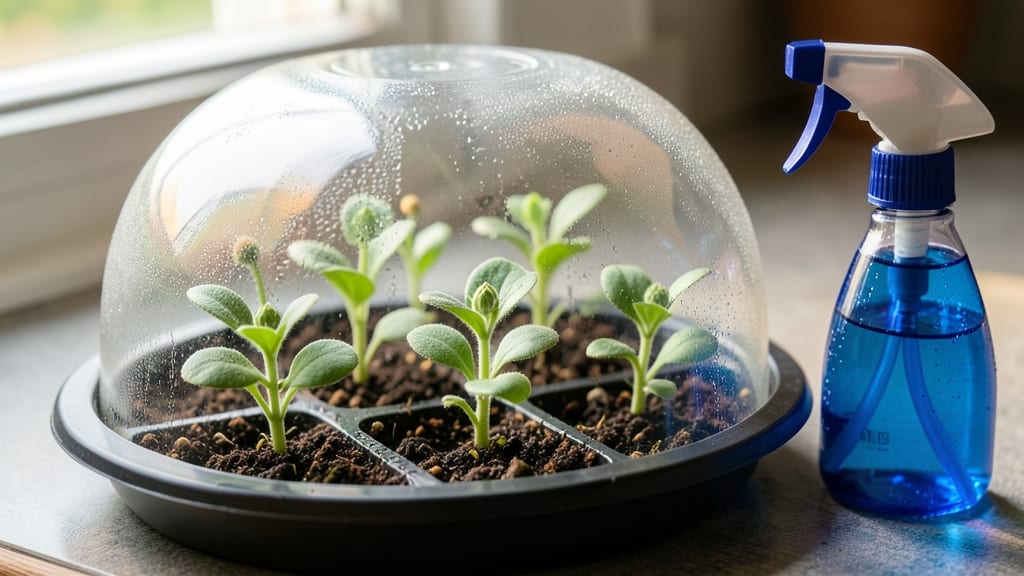
Growing zinnias from seed indoors gives you a head start on bold, showstopping blooms that dwarf-store plants can't match. ✨ I've turned my kitchen windowsill into a zinnia factory by mastering the perfect timing—sow 6-8 weeks before your last frost, and you'll have cut flowers ready by summer.
The secret isn't complicated: it's about light, warmth, and patience.
You'll need just three things: a sunny windowsill (or grow light), seed-starting mix, and patience for the 10-14 days it takes those first leaves to poke through. Most beginners overwater or crowd the seeds—both lead to damping-off or leggy seedlings.
I've lost count of how many times I've had to start over, but now I've got a foolproof system that works every season.
By transplanting at 4-6 weeks, you'll have sturdy seedlings ready for the garden. The payoff? Zinnias that bloom nonstop from midsummer until frost, with colors so vibrant they make your neighbors jealous. The first time I saw my zinnias open in July, I knew I'd never buy flats again.
This method works for any zinnia variety—dwarf, giant, or everything in between—and adapts to small spaces. Whether you're growing on a windowsill or under shop lights, the key is consistency. Let's get those seeds started right!
📚 In This Guide
- What you need
- Instructions
- Tips and common mistakes
- Wrapping up and next steps
What you need
- ● Zinnia seeds – Choose heirloom or hybrid varieties (e.g., 'Benary’s Giant,' 'Profusion'). 5–10 seeds per container is ideal.
- ● Seed-starting trays or small pots – 2–4 inch pots or cell packs (100+ cells) work best.
- ● Seed-starting mix – 1–2 cubic feet of sterile, well-draining mix (avoid garden soil—it’s too dense!).
- ● Grow lights or sunny windowsill – 12–16 hours of light daily (south-facing window or LED grow lights 6–12 inches above seedlings).
- ● Spray bottle – For gentle watering (avoid oversaturating seeds!).
- ○ Clear plastic dome or plastic wrap – To create a humidity tent (optional but helpful for germination).
- ● Heating mat – Speeds up germination (70–75°F is ideal).
- ● Fertilizer – Balanced liquid fertilizer (5-5-5 or 10-10-10) diluted to half-strength for seedlings.
- ● Humidity tray – Keeps moisture levels consistent without overwatering.
- ● Plant labels – Track varieties if growing multiple types.
- ● Tweezers – For careful seed placement (especially tiny seeds!).
Step-by-step instructions for growing zinnias from seed indoors
Here's how to coax vibrant zinnias from seed without cold treatment—fast, foolproof, and ready for transplant in just two months.
🌱 Step 1: Prepare Containers and Seed Starting Mix
Fill 4-inch diameter biodegradable pots with a sterile seed-starting mix—zinnias despise compacted soil. I like to blend my mix with 20% perlite for extra drainage, which these thirsty seeds appreciate. Moisten the mix until it feels like a damp sponge, not a soggy rag.
Press the soil down gently with your fingers to eliminate air pockets, but don't pack it tight. Zinnia seeds need good contact with soil to germinate evenly. I use a pencil to make ¼-inch-deep holes—just enough to cradle the tiny seeds without burying them too deep. Real talk: planting too deep delays germination by days.
🌱 Step 2: Sow Seeds and Create Ideal Germination Conditions
Drop 2-3 seeds per pot into each hole, then cover lightly with a sprinkle of additional mix—just enough to hide them completely. Mist the surface with a spray bottle until the soil looks uniformly damp. Zinnia seeds germinate best at 70-75°F, so I place the pots on a seedling heat mat to maintain consistent warmth.
Cover the pots with clear plastic wrap or a humidity dome to trap moisture and heat. Check daily for condensation—if you see water droplets, your setup is working. Germination typically takes 7-14 days, but don't be surprised if some seeds pop through in just 5 days when conditions are perfect. Here's the thing—don't water again until you see the first true leaves.
☀️ Step 3: Provide Bright Light and Prevent Leggy Growth
The moment seedlings emerge, move them to a south-facing window or under grow lights for 14-16 hours daily. Zinnias grow fast but need intense light to stay sturdy. I position my LED grow light 3-4 inches above the seedlings and raise it weekly as they grow. Without enough light, stems stretch painfully thin and flop over.
You'll know your zinnias are getting proper light when the leaves are dark green and compact, not pale and spaced far apart. Rotate the pots a quarter turn daily so plants grow straight instead of leaning toward the light. If you notice seedlings reaching for the window, your light source is too far away—bring it closer immediately.
🌿 Step 4: Thin Seedlings and Encourage Bushy Growth
Once seedlings develop 2-3 sets of true leaves (the first leaves after the initial seed leaves), thin to the strongest seedling per pot. Use small scissors to snip unwanted stems at soil level—pulling can disturb roots. This might seem harsh, but crowded zinnias grow weak and leggy. Keep the remaining plant well-watered but let the soil dry slightly between waterings to prevent damping-off.
When seedlings are 3-4 inches tall, I switch to a balanced liquid fertilizer diluted to half-strength. Zinnias are heavy feeders, but too much fertilizer too soon causes weak stems. Watch for bright green leaves with a slight waxy sheen—that's your sign they're happy and ready for more nutrients. Pinch back the tips when plants are 6 inches tall to encourage bushier growth and more blooms.
⏰ Step 5: Harden Off and Transplant Outdoors
About 2 weeks before your last frost date, start hardening off your zinnias by placing them outside in a sheltered spot for 1-2 hours the first day. Gradually increase their outdoor time over 7-10 days, moving them to sunnier locations each time. Zinnias love heat and will reward you with bold blooms if they're acclimated properly.
Transplant after all danger of frost has passed and soil temperatures reach 60°F. Space plants 10-12 inches apart in full sun—zinnias need plenty of room to spread and won't bloom well if crowded. Water deeply at transplanting and again in 3-4 days to help roots establish. You'll see the first buds appear in just 60 days from seed, proving this method works faster than cold stratification ever could.
Tips & tricks for growing zinnias indoors
These game-changing insights will help you avoid common pitfalls and maximize your zinnias' potential from seed to bloom.
The Soil Secret: Zinnias despise soggy soil, so mix your seed-starting blend with 20% perlite—this improves drainage while maintaining moisture retention. After planting, press the soil gently to eliminate air pockets, but avoid compaction. Think "damp sponge" consistency: it should hold its shape when squeezed but not drip water. The ¼-inch-deep planting depth is critical—any deeper and germination slows dramatically, sometimes by 5-7 days. I've seen seeds planted too deep simply refuse to sprout until I replanted them shallower.
Germination Conditions: The 70-75°F heat mat is non-negotiable for consistent germination. Without it, seeds may take the full 14 days instead of the 5-7 days I've achieved. Watch for condensation on your humidity dome—this confirms you've trapped enough moisture. The moment you see true leaves (not the initial seed leaves), remove the dome immediately to prevent fungal issues. Here's what nobody tells you: if your kitchen stays below 65°F, consider a small space heater near your seed tray for the first 7 days.
Lighting Strategy: Zinnias grow like weeds once they get proper light, but without 14-16 hours daily, they'll stretch into leggy shadows. Position your LED grow light 3-4 inches above seedlings and adjust weekly—when you can fit a closed fist between light and plants, it's time to raise it. I've had to rescue multiple batches where I ignored this rule, resulting in plants that toppled over like drunkards. Rotate your pots daily to prevent leaning, and watch for leaves that look like they've been bleached by the sun: that's a sign your light's too intense.
Transplanting Timing: The 60°F soil temperature threshold is harder to meet than most gardeners realize. Use a soil thermometer for 3 consecutive days before transplanting—zinnias won't thrive if soil stays cooler. When hardening off, start with just 1-2 hours in sheltered conditions, then increase by 1 hour daily. I've seen zinnias that were hardened off too quickly develop sunburn on their leaves, looking like they'd been scalded. Place them in dappled shade the first day, then gradually move to full sun over 7-10 days.
Pro Tips for Growing Zinnias From Seed Indoors
- These game-changing insights will help you avoid common pitfalls and maximize your zinnias' potential from seed to bloom.
- The Soil Secret: Zinnias despise soggy soil, so mix your seed-starting blend with 20% perlite—this improves drainage while maintaining moisture retention.
- Germination Conditions: The 70-75°F heat mat is non-negotiable for consistent germination.
Frequently asked questions
Got questions about growing zinnias from seed indoors?
You’re not alone! Here are some of the most common concerns—and quick, actionable answers to help you succeed.
When is the best time to start zinnias indoors?
Plant your zinnia seeds 8–10 weeks before your last frost date for strong seedlings ready to transplant outdoors. For example, if your frost date is May 15, start seeds around March 1. Zinnias grow fast—they’ll bloom in just 60 days! Use a seed-starting calendar for your region to fine-tune timing.
Do zinnias need cold stratification to germinate?
Nope! Unlike some flowers, zinnias don’t require cold treatment—they’ll pop up happily in warm soil (70–75°F). Just keep them moist and warm under grow lights or in a sunny window. Pro tip: A heating mat can speed up germination if your home runs cool.
Why aren’t my zinnia seeds sprouting?
Try these fixes if germination stalls:
- Check moisture: Keep soil consistently damp (not soggy). Mist lightly if the surface dries.
- Test depth: Seeds need just ¼ inch of soil—too deep = no sprouts.
- Light check: Seedlings need 12–16 hours of light daily. Weak light? Move them closer to grow lights.
- Patience: Zinnias can take 7–14 days to germinate—don’t give up!
What’s the ideal temperature for indoor zinnia seedlings?
Keep seedlings cozy at 65–75°F during the day and no lower than 55°F at night. If your home dips below 60°F, use a seedling heat mat or move pots to a warmer spot (like near a sunny window). Too cold? Growth slows, and seedlings may stretch weakly.
Can I grow zinnias in small pots or containers?
Yes! Zinnias thrive in 3–4 inch pots or even egg cartons for early growth. Just transplant carefully when seedlings have 2–3 true leaves to avoid root damage. For larger varieties (like ‘Benary’s Giant’), upgrade to 5–6 inch pots to prevent crowding. Drainage holes are a must!
How do I protect indoor zinnia seedlings from pests?
Watch for fungus gnats or aphids on tender seedlings. Prevent issues with:
- Well-draining soil (add perlite or sand).
- Yellow sticky traps near seedlings.
- A light spray of neem oil if pests appear.
- Avoid overwatering—damp soil attracts gnats.
Outdoors, ladybugs and lacewings will handle the rest!
Wrapping up and next steps
Growing zinnias from seed indoors is a rewarding journey that delivers vibrant, long-lasting blooms in just 60 days—no cold stratification needed! 🌸 With the right setup, patience, and care, you’ll enjoy a burst of color that brightens any space.
Whether you’re a beginner or a seasoned gardener, this method makes it easy to cultivate these cheerful flowers year-round.
Ready to see your seeds sprout and flourish? Start by gathering your supplies and follow the steps above—your first zinnias could be in bloom sooner than you think! Happy growing!