
Propagation
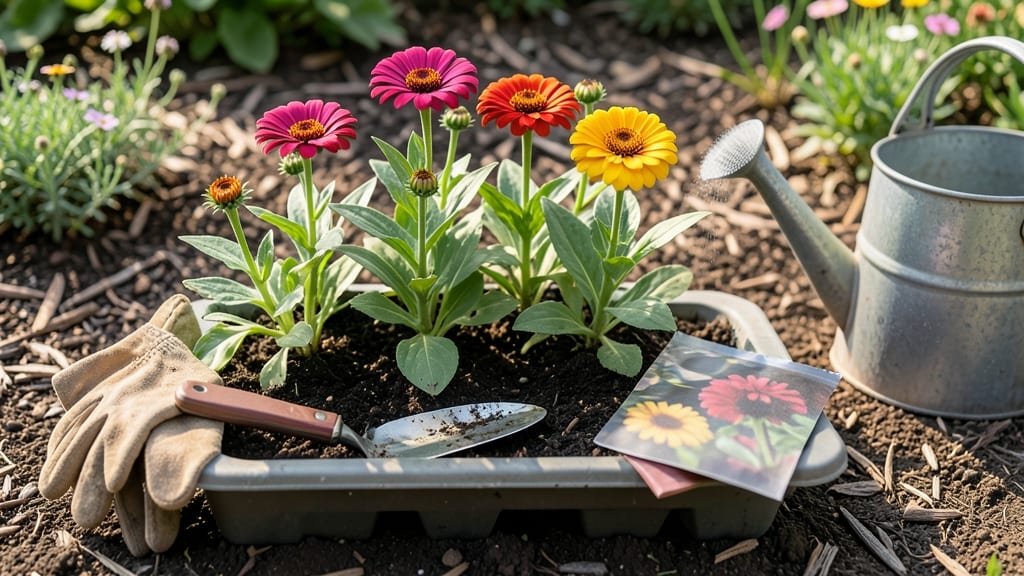
Growing zinnias from seed outdoors delivers vibrant, long-lasting blooms in just two months—no fancy greenhouse needed. 🌻 I’ve grown them every spring since my first attempt, and the secret isn’t complicated: timing, sun, and a little patience.
These cheerful flowers thrive when sown directly in the garden, skipping the fuss of indoor starts. The key is warm soil and full sun—zinnias bolt if planted too early. Wait until your last frost date, then scatter seeds ¼-inch deep in well-draining soil.
Space them 6–12 inches apart (closer for dwarf varieties) to prevent overcrowding. Water gently afterward, keeping the soil moist but not soggy. By day 60, you’ll have towering stems packed with blooms that attract pollinators and last through light frosts.
Deadhead spent flowers to encourage more blooms, and watch them multiply all season. Even my black thumb can’t kill these—just give them room and sunlight. Perfect for borders, cutting gardens, or even container pots.
Once you try growing zinnias from seed, you’ll never buy them again—they’re too easy to grow from scratch!
📚 In This Guide
- What you need
- Instructions
- Tips and common mistakes
- Wrapping up and next steps
What you need
- ● Zinnia seeds – Choose heirloom or hybrid varieties (e.g., 'Benary’s Giant,' 'Profusion,' or 'Zahara'). Buy 1–2 packets (50–100 seeds per packet) for a full bloom display.
- ● Well-draining potting mix – 1–2 cubic feet (for starting seeds indoors or in seed trays). Look for a lightweight, sterile mix labeled for seedlings.
- ● Seed trays or biodegradable pots – 50–100 cell trays or 2–3 inch pots (biodegradable pots save transplanting stress!).
- ● Grow lights or sunny windowsill – A 10–12 inch fluorescent grow light (or a south-facing window) for 12–16 hours/day of light.
- ● Spray bottle – For gentle watering without disturbing seeds.
- ● Garden soil (outdoor planting) – 1–2 cubic yards of loamy, well-amended soil (mix in compost for nutrients). Zinnias thrive in full sun (6+ hours/day).
- ● Watering can or hose with a gentle nozzle – For post-transplant care.
- ○ Plant labels & markers – To track varieties (optional but helpful!).
- ● Seedling heat mat – Speeds up germination (especially in cool climates).
- ● Fertilizer (balanced 10-10-10 or organic) – 1–2 tbsp per gallon of water for transplanting or a slow-release granular fertilizer.
- ● Row covers or shade cloth – Protects young seedlings from pests or intense afternoon sun.
- ● Stakes or cages – For taller varieties (e.g., 'Benary’s Giant') to prevent flopping.
Step-by-step instructions for growing zinnias from seed outdoors
Here's how to get vibrant zinnias blooming in just two months—no fancy equipment needed.
🌱 Step 1: Prepare the Soil and Plant Seeds Directly
Zinnias thrive when planted directly in the garden after your last frost date, so skip the indoor starting. Choose a sunny spot with 6+ hours of direct sunlight—zinnias demand full sun to produce their boldest blooms. Work the soil to a depth of 12 inches, removing any rocks or debris. Mix in 2 cups of compost per 4 square feet of bed to enrich the soil without overfeeding.
Scatter seeds ¼ inch deep and 12-18 inches apart—closer spacing leads to leggy stems and fewer flowers. I like to plant in small clusters of 3-4 seeds spaced 6 inches apart, then thin later. Water gently after planting to settle the soil around the seeds. You'll see the first sprouts in 7-14 days, depending on your climate.
💧 Step 2: Water Consistently and Monitor Growth
Keep the soil evenly moist but not soggy—zinnias hate wet feet. Water at the base of the plants in the morning to let foliage dry before evening, which prevents fungal diseases like powdery mildew. You'll know you're doing it right when the soil feels damp 1-2 inches down but not saturated. Avoid overhead watering once seedlings emerge; you'll see them lean toward the light if they're thirsty.
When seedlings reach 2-3 inches tall, thin them to your desired spacing. Use sharp scissors to snip unwanted plants at soil level—this prevents disturbing the roots of the remaining seedlings. The strongest stems will have the deepest green leaves and the most upright growth. Mulch around the base with 1 inch of straw to retain moisture and suppress weeds.
☀️ Step 3: Fertilize Lightly and Prune for Bushier Growth
Zinnias are light feeders—too much fertilizer produces lush foliage but fewer blooms. About 4-6 weeks after planting, when you see the first true leaves, apply a balanced 10-10-10 fertilizer at half strength. Water it in immediately to prevent root burn. I repeat this feeding every 4-6 weeks during the growing season, but never after mid-summer to encourage fall blooms.
Pinch back the tips of young plants when they reach 6 inches tall to encourage bushier growth. This means snipping off the top set of leaves with your fingers or clean scissors. You'll see multiple side shoots form within 2-3 weeks, each capable of producing its own flowers. Deadhead spent blooms regularly by cutting the stem back to the nearest set of leaves—this redirects the plant's energy into new flowers instead of seed production.
✂️ Step 4: Support Tall Varieties and Extend the Season
Taller zinnia varieties like 'Benary's Giant' may need staking to prevent flopping in wind or rain. Install 5-foot stakes or a small cage around each plant before they reach 3 feet tall. Tie stems loosely with soft plant ties or old fabric strips—zinnias grow fast, and tight ties will cut into the stems. You'll know it's working when the plant stands upright even after heavy rain.
To extend blooming into fall, cut back plants by one-third after the first hard frost. The new growth will produce a second flush of flowers in mild climates. In colder zones, harvest seeds from your favorite varieties by letting a few blooms mature fully. Watch for the seed heads to turn brown and dry—then collect them for next year's garden.
Tips & tricks for perfect zinnia growth
Here's what nobody tells you about turning those tiny seeds into a riot of color—without the trial and error.
Sunlight Strategy: While the instructions call for 6+ hours of direct sunlight, I've found zinnias actually reward you with bigger, bolder blooms when they get 8+ hours—especially in cooler climates. If your garden gets afternoon shade, consider planting in a raised bed where sunlight hits more consistently. The first blooms will tell you if you're on the right track: vibrant colors mean you're golden, while pale blooms signal more light is needed.
Climate Adjustments: The 7-14 day germination window can stretch to 21 days in cooler spring conditions or shrink to 5-7 days in hot summer soil. To speed things up, soak seeds in warm water for 24 hours before planting (this mimics natural spring rains). For late-season plantings, use a black plastic mulch to warm the soil—zinnias won't germinate well in cold ground. Watch for the first true leaves (not the initial seed leaves) to appear before thinning.
Fertilizer Timing: The instructions mention applying 10-10-10 fertilizer at half strength every 4-6 weeks, but here's the secret: split that dose into two applications. Give half when you see the first true leaves, then wait 3 weeks before the second half. This gradual approach prevents fertilizer burn while still giving your zinnias the nutrients they need without overstimulating leaf growth at the expense of flowers. Think of it as a slow-release feeding system.
Deadheading Discipline: Regular deadheading (cutting back spent blooms) is non-negotiable for continuous blooms, but timing matters. Always cut back to just above a set of leaves—never to bare stem. This encourages new growth from leaf nodes rather than just the main stem. I like to do this on cloudy mornings when the plants are less stressed from heat. For prolific bloomers like 'Profusion' series, you'll notice new buds forming within 5-7 days of deadheading.
Pro Tips for Growing Zinnias From Seed Outdoors
- Here's what nobody tells you about turning those tiny seeds into a riot of color—without the trial and error.
- Sunlight Strategy: While the instructions call for 6+ hours of direct sunlight, I've found zinnias actually reward you with bigger, bolder blooms when they get 8+ hours—especially in cooler climates.
- Climate Adjustments: The 7-14 day germination window can stretch to 21 days in cooler spring conditions or shrink to 5-7 days in hot summer soil.
Frequently asked questions
Got questions about growing zinnias from seed? You’re not alone—these cheerful bloomers are easy but still spark curiosity! Here are answers to the most common queries to help you grow bold, vibrant zinnias with confidence.
When is the best time to plant zinnia seeds outdoors?
Plant zinnia seeds 2–3 weeks after your last frost date when soil temps are at least 60°F (15°C). For cooler climates, wait until mid-to-late spring. Zinnias thrive in warm weather and won’t tolerate frost, so avoid early planting—just wait for consistent warmth!
How long does it take for zinnia seeds to germinate?
Zinnia seeds typically sprout in 7–14 days after planting. Keep soil consistently moist (not soggy!) and place seeds in a sunny spot. If germination takes longer, check for overwatering or cold soil—zinnias need warmth to wake up!
What are the most common pests or problems with zinnias?
Zinnias are generally pest-resistant, but watch for aphids, spider mites, or whiteflies. Remove infested leaves or spray with neem oil. Overwatering can cause powdery mildew, so water at the base in the morning. Deadhead spent blooms to encourage nonstop flowers!
Can I grow zinnias from seed in containers or small spaces?
Zinnias thrive in containers 6+ inches deep with well-draining soil. Choose dwarf varieties like ‘Thumbelina’ for tight spaces. Just ensure pots get 6+ hours of sun daily and water consistently—container plants dry out faster!
Do zinnias need full sun, or can they grow in partial shade?
Zinnias love full sun (6+ hours daily) for the brightest blooms, but they’ll tolerate partial shade (4–6 hours) in hot climates. In shady spots, expect fewer flowers and leggy stems. If shade is unavoidable, opt for shorter varieties like ‘Profusion’ for better results.
Wrapping up and next steps
Growing zinnias from seed outdoors is a rewarding journey that delivers vibrant blooms in just 60 days—no gardening experience required! With the right timing, soil prep, and a little patience, you’ll enjoy a stunning display of color that attracts pollinators and brightens your space. 🌸
Now that you’re armed with zero-guesswork tips, take the next step: mark your calendar for your last frost date and start those seeds indoors (or sow them directly outside when the soil warms up). Before you know it, your garden will be a zinnia paradise!