
Propagation
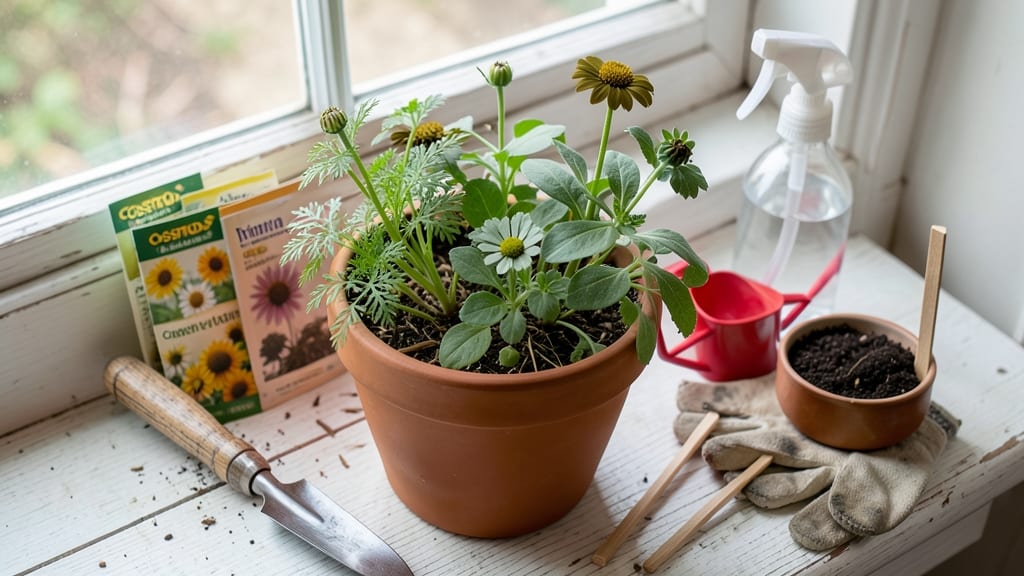
Growing wildflowers from seed in pots lets you create a vibrant, low-maintenance garden on your balcony or patio—no weeds, no fuss. 🌸 I’ve turned my concrete balcony into a blooming oasis using just a few simple supplies and a little patience, and the results are worth every minute.
You’ll need lightweight pots with drainage, a mix of potting soil and sand for aeration, and seeds from drought-tolerant varieties like cosmos, zinnias, or black-eyed Susans. These thrive in containers and bloom all season long with minimal care.
The key is keeping the soil consistently moist but never soggy—overwatering is the #1 killer of young seedlings. By mid-summer, you’ll have a burst of color that attracts pollinators and fills the air with sweet fragrance. The best part?
No bending, no weeding, just pure, effortless beauty right outside your door. Even my black thumb can’t kill these. This method works for small spaces, urban apartments, or anywhere you want instant curb appeal. Let’s get those seeds planted!
📚 In This Guide
- What you need
- Instructions
- Tips and common mistakes
- Wrapping up and next steps
What you need
- ● Wildflower seeds: Choose native or heirloom varieties (1–2 tbsp per pot, depending on size). Opt for pre-mixed wildflower blends or single-species seeds like cosmos, black-eyed Susan, or lupine.
- ● Containers: Pots with drainage holes (4–6 inches deep, 6–12 inches wide). Use terracotta, plastic, or fabric grow bags (2–4 pots per batch).
- ● Potting mix: Lightweight, well-draining soil blend (avoid heavy garden soil). A seed-starting mix or 50% potting soil + 50% perlite/sand works best (1 bag per 3–4 pots).
- ● Drainage layer: Small pebbles, gravel, or broken pottery shards (½ inch thick) to prevent root rot.
- ● Watering can or spray bottle: With a gentle nozzle to avoid displacing seeds.
- ○ Grow lights (optional): LED or fluorescent lights (12–16 inches above pots) for indoor setups with low natural light.
- ● Seed-starting trays: For germinating tiny seeds before transplanting.
- ● Clear plastic domes or plastic wrap: To create a humid microclimate (remove once sprouts appear).
- ● Fertilizer: Low-dose, balanced liquid fertilizer (5-5-5 NPK) or compost tea after germination.
- ● Plant labels: To track varieties (especially if mixing seeds!).
- ● Glove and tweezers: For delicate seed handling (e.g., poppies or delphiniums).
Step-by-step instructions for growing wildflowers in pots
Here's how to create a vibrant balcony garden with wildflowers that thrives without the upkeep of traditional plantings.
🪴 Step 1: Choose the Right Containers and Drainage
Select pots with drainage holes—wildflowers hate soggy roots. I use 8-12 inch wide containers for a full bloom display, spaced 6 inches apart for airflow. Terra cotta works best because it breathes, but any pot with drainage will do. If your pots lack holes, drill them yourself—wildflowers won't forgive poor drainage.
Line the bottom with 1-2 inches of gravel or broken pottery to prevent soil from clogging the holes. This layer keeps roots healthy by allowing excess water to escape. I always add a coffee filter or mesh over the holes to keep soil in place while still letting water flow freely. This small step prevents messy cleanup later.
🌱 Step 2: Prepare Lightweight, Well-Draining Soil
Wildflowers need soil that mimics their natural, nutrient-poor habitats. Mix equal parts potting soil and perlite or coarse sand to create a loose, airy texture. I avoid garden soil—it compacts in pots and suffocates wildflower roots. Fill each pot ¾ full with your mix, leaving room for seeds and topsoil.
Moisten the soil until it's damp but not wet—think of a wrung-out sponge. You'll see moisture bead on the surface but not pool. Press down lightly to settle the mix, then rake the top with a fork to create ¼ inch deep furrows for seeds. This ensures even planting depth, which is critical for wildflower germination.
💧 Step 3: Sow Seeds at the Correct Depth and Spacing
Scatter seeds sparingly—wildflowers grow best when crowded but not smothered. For most varieties, sprinkle seeds over the soil surface and press them in just enough to cover lightly (about ⅛ inch deep). Some seeds, like poppies, actually need light to germinate, so don't bury them at all. I tap the pot gently on the table to settle seeds into the furrows.
Space larger seeds, like those from coneflowers, 1-2 inches apart. Tiny seeds, like those from cosmos, can be broadcast more freely. After sowing, mist the soil with water until it's evenly damp. Avoid soaking—wildflower seeds need moisture to wake up, but they'll rot if submerged. A spray bottle works best for gentle application.
☀️ Step 4: Provide Sunlight and Consistent Moisture
Place pots in a spot with full sun (6+ hours daily)—wildflowers thrive where they get plenty of light. A south or west-facing balcony is ideal. If you're using grow lights, position them 4-6 inches above the pots and keep them on for 12-14 hours daily. Wildflowers won't bloom without enough light, so don't skimp here.
Water lightly every 2-3 days, keeping the soil consistently moist but not soggy. You'll know it's right when the top inch feels damp to the touch. Once seedlings appear (usually in 7-14 days), reduce watering slightly—wildflowers are drought-tolerant once established. Let the top inch dry out between waterings to prevent fungal issues.
✂️ Step 5: Thin and Maintain for Long-Lasting Blooms
When seedlings reach 2 inches tall, thin them to 3-4 inches apart to give roots room to grow. I use small scissors to snip excess seedlings at soil level—this prevents disturbing the roots of the plants you're keeping. Wildflowers self-seed easily, so thinning ensures stronger, healthier blooms rather than a crowded, weak display.
Deadhead spent blooms by pinching off faded flowers with your fingers or small pruners. This encourages more blooms and keeps your pots looking tidy. Fertilize lightly once a month with a balanced, water-soluble fertilizer (half-strength) to support growth without overfeeding. Wildflowers prefer lean soil, so don't overdo it—too much fertilizer leads to leggy, weak stems.
Tips & tricks for perfect balcony wildflower gardens
Here's what nobody tells you about making your wildflower pots truly thrive—these are the details that turn good intentions into stunning results.
Container Selection: I always opt for terra cotta pots because they breathe better than plastic, which prevents root rot in wildflowers. If you're using plastic, make sure to drill extra drainage holes—wildflowers will reward you with better growth. For larger displays, consider nesting pots of different sizes to create a cascading effect that looks like a natural meadow. The 6-inch spacing mentioned in Step 1 isn't just about airflow—it also gives you room to move pots around as the season changes.
Soil Mix Secrets: The equal parts potting soil and perlite mix is your foundation, but here's the pro move: add a handful of compost to each pot. Just a little goes a long way—wildflowers prefer lean soil, but they still need some nutrients to get established. I sift the compost through my fingers to avoid clumps that could suffocate tiny roots. This small addition makes all the difference in the first few weeks of growth when seedlings are most vulnerable.
Lighting Strategy: That 12-14 hours of light requirement isn't just about sunlight—it's about consistency. If your balcony gets less than 6 hours of direct sun, supplement with LED grow lights on a timer. I position mine 4-6 inches above the pots and set them to turn on automatically at 7am and off at 7pm. The blue spectrum LEDs are particularly effective for encouraging strong, healthy growth without overheating your pots.
Watering Wisdom: The "consistently moist but not soggy" rule is critical, but here's how I actually check: I stick my finger about an inch into the soil. If it feels like a wrung-out sponge, I'm good. If it's dry, it's time to water. The biggest mistake I see is overwatering after germination—once those little sprouts appear, let the top inch dry out between waterings. This mimics their natural habitat and prevents damping-off disease that can wipe out seedlings overnight.
Pro Tips for Growing Wildflowers From Seed In Pots
- Here's what nobody tells you about making your wildflower pots truly thrive—these are the details that turn good intentions into stunning results.
- Container Selection: I always opt for terra cotta pots because they breathe better than plastic, which prevents root rot in wildflowers.
- Soil Mix Secrets: The equal parts potting soil and perlite mix is your foundation, but here's the pro move: add a handful of compost to each pot.
Frequently asked questions
Got questions?
Growing wildflowers from seed in pots is simple, but every gardener has a few curiosities before diving in. Here are answers to the most common ones to help you bloom with confidence!
Can I grow wildflowers from seed in pots year-round?
Most wildflower seeds need a cold period (stratification) to germinate, so timing matters! Plant in early spring or late summer/fall for best results. If starting indoors, mimic winter by refrigerating seeds for 2–4 weeks before sowing. Pro tip: Check seed packets for specific needs—some thrive in cooler weather.
How often should I water wildflower seeds in pots?
Keep soil consistently moist but not soggy until seeds sprout (usually 2–4 weeks). After germination, reduce watering—wildflowers hate damp roots! Water from the bottom of pots to avoid disturbing seeds. Once established, let soil dry slightly between waterings to mimic their natural, drought-tolerant habits.
What’s the best pot size for wildflower seeds?
Start with small pots (4–6 inches wide) for seeds—crowding isn’t an issue early on! Use individual containers or a shallow tray with drainage holes. Once seedlings sprout, transplant them into larger pots (8–12 inches) or a communal container. Bonus: Mix in perlite for aeration to prevent root rot.
Will bugs or pests ruin my wildflower pots?
Wildflowers are naturally pest-resistant, but aphids or slugs might visit. Encourage beneficial insects (like ladybugs!) by planting marigolds or basil nearby. For slugs, add a thin layer of diatomaceous earth or use beer traps. Most pests won’t stick around—wildflowers aren’t their favorite snack!
Can I reuse soil from last year’s wildflower pots?
Not ideal! Old soil may harbor disease or depleted nutrients. Refresh with a lightweight mix (50% potting soil + 50% perlite/sand) to improve drainage. Sterilize reused soil by baking it at 200°F for 30 minutes or using a 10% hydrogen peroxide solution. Quick fix: Top-dress with compost instead of full replacement.
Wrapping up and next steps
Growing wildflowers from seed in pots is a rewarding way to bring vibrant blooms to your balcony—without the hassle of weeds! With the right containers, soil, and a little patience, you’ll enjoy a burst of color that supports pollinators and brightens your space.
Start small, experiment with varieties, and soon, your pots will be bursting with life.
Ready to dive in? Pick your favorite wildflower seeds, grab your pots, and get planting! 🌸✨