
Propagation
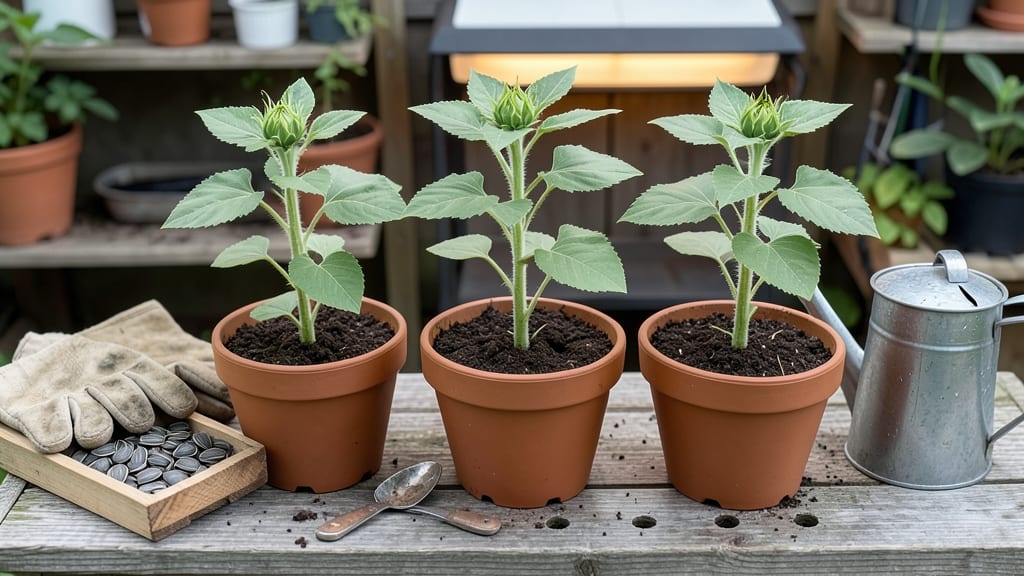
Growing sunflowers from seed in pots means neighborhood-stopping blooms without needing a yard. 🌻 I’ve turned my balcony into a sunflower paradise using nothing but 5-gallon containers and a sunny windowsill—no fancy equipment required.
The key? Choosing the right dwarf varieties (like ‘Moulin Rouge’ or ‘Teddy Bear’) and giving them the right conditions from day one.
You’ll need well-draining soil, pots at least 12 inches deep, and a spot that gets 6+ hours of sunlight daily. Sunflowers are forgiving, but they will flop over without support—so stake them early or plant them near a fence.
Water consistently (about 1 inch per week), and watch those stems thicken as they reach for the sky.
By mid-summer, you’ll be snapping photos of 6-foot-tall sunflowers in pots, proving that big blooms aren’t just for gardens with space. The best part? Kids, pollinators, and even squirrels will notice before your neighbors do. Just avoid over-fertilizing—sunflowers grow fast, and too many nutrients lead to weak stems.
Works for balconies, patios, or sunny porches—no yard needed. Here’s how to keep them thriving until those golden faces turn your space into a summer highlight.
📚 In This Guide
- What you need
- Instructions
- Tips and common mistakes
- Wrapping up and next steps
What you need
- ● Sunflower seeds: Choose dwarf or medium varieties (e.g., ‘Moulin Rouge’ or ‘Russian Giant’). Aim for 3–5 seeds per pot (thin to 1–2 strongest seedlings later).
- ● Containers: Minimum 12-inch diameter pots (or larger for taller varieties).
- ● Ensure pots have drainage holes (or drill them yourself!).
- ○ Use fabric grow bags (optional) for root aeration.
- ● Potting mix: Lightweight, well-draining blend (e.g., 50% potting soil + 50% perlite/vermiculite). Avoid garden soil—it compacts!
- ● Watering can or spray bottle: Gentle watering prevents seed displacement.
- ● Seed-starting kit (for pre-germination warmth, if sowing indoors).
- ● Plant labels & marker to track varieties.
- ● Fertilizer: Balanced 10-10-10 or slow-release granules (mix into soil).
- ● Support stakes/straw: Tall varieties (6+ ft) may need bamboo stakes or tomato cages.
- ○ Sunlight meter (optional) to confirm 6+ hours of direct sun daily.
Step-by-Step instructions for growing sunflowers in pots
Here’s how to grow sunflowers from seed in containers—no yard needed.
🌱 Step 1: Select the Right Containers and Soil Mix
Choose pots at least 12 inches deep and 12 inches wide for each plant—sunflowers need room for their taproots. I use fabric grow bags because they prevent root circling and allow excess water to evaporate. Fill each pot with a lightweight potting mix (never garden soil—it compacts and suffocates roots). Add a handful of perlite or vermiculite to improve drainage.
Moisten the mix until it’s damp but not soggy—think of a wrung-out sponge. Press it down gently so the surface is firm but not packed. Sunflower seeds are large, so you’ll only need one per pot, but I always sow two just in case. Plant the seed 1 inch deep, pressing lightly to ensure good soil contact.
💧 Step 2: Water and Provide Warmth for Germination
Keep the soil consistently moist but not waterlogged—sunflower seeds rot if they sit in soggy conditions. Water gently with a spray bottle or small watering can, aiming for the soil around the seed rather than directly on it. Place the pot in a warm spot (70-75°F) where it gets bright, indirect light (a south-facing windowsill works well).
Germination takes 7-14 days, depending on temperature. You’ll know it’s working when the first true leaves (not the initial seed leaves) appear. Once they do, move the pot to a sunniest spot—sunflowers need full sun (6+ hours daily) to grow tall and strong. If your space lacks natural light, supplement with a grow light kept 4-6 inches above the plant for 12-14 hours daily.
☀️ Step 3: Support Growth and Prevent Leggy Stems
Sunflowers grow fast, but leggy stems mean weak plants. To prevent this, rotate the pot a quarter turn every few days so the plant grows straight. When the stem reaches 12 inches tall, stake it with a bamboo or metal stake (at least 3 feet tall) tied loosely to the stem. Avoid tight ties—they restrict growth as the plant thickens.
Water deeply every 2-3 days, letting the top 2 inches of soil dry out between waterings. Overwatering causes root rot, while underwatering stresses the plant. You’ll see the leaves perk up after a good drink—that’s your signal you’re nailing the moisture balance. Fertilize lightly with a balanced liquid fertilizer (10-10-10) every 2-3 weeks once the plant is 4-6 inches tall, but don’t overdo it—sunflowers are heavy feeders and can get leggy if over-fertilized.
✂️ Step 4: Monitor for Pests and Deadhead for More Blooms
Watch for aphids or spider mites, which love sunflowers. If you spot them, spray the plant with neem oil or a soapy water solution (1 tsp mild dish soap per quart of water). Check the undersides of leaves—they’re prime hiding spots. If the plant starts wilting despite consistent watering, it may be root-bound or struggling with heat stress. Gently loosen the roots if they’re circling the pot’s edge.
When the first bloom opens, snip off the spent flower head with clean scissors to encourage more blooms. This trick works best on multi-blooming varieties like ‘Moulin Rouge’ or ‘Autumn Beauty’. If you’re growing a single-stem variety, let the first bloom go—it’s the star of the show. Deadheading also prevents the plant from putting energy into seed production, which can weaken it.
🪴 Step 5: Prepare for Harvest and Overwintering (If Needed)
Sunflowers are ready to harvest when the back of the bloom turns yellow and the petals start drooping. Cut the stem with 2-3 inches of stalk attached and hang it upside down in a dry, dark place for 1-2 weeks to dry. Once fully dry, remove the seeds and store them in a paper bag in a cool, dark spot. If you’re growing sunflowers for cut flowers, harvest in the early morning when the blooms are freshest.
If you’re in a warm climate, sunflowers can overwinter in pots if moved to a protected spot (like a garage or shed) where temps stay above 40°F. In colder areas, let the plant die back naturally—sunflowers are annuals and won’t survive frost. Next season, start fresh with new seeds for a fresh batch of towering blooms.
Tips & tricks for growing sunflowers in pots like a pro
Sunflowers in containers are surprisingly simple once you know these insider tricks—here's how to avoid common pitfalls and maximize your towering blooms.
Container Depth Matters: In Step 1, those 12-inch-deep pots aren't arbitrary—they accommodate sunflower taproots that can grow 2-3 feet long. If you're using shallower containers, your plants will become root-bound quickly, leading to stunted growth. I've seen sunflowers in 10-inch pots struggle after just 4 weeks, while the same variety thrived in 14-inch pots. For extra insurance, consider using 5-gallon fabric grow bags—they prevent root circling and allow better air circulation at the roots. The key is mimicking the depth they'd get in garden soil.
Germination Temperature Secret: The 70-75°F range in Step 2 is perfect, but here's what nobody tells you—consistency matters more than exact degrees. If your home fluctuates between 65°F at night and 80°F during the day, use a seedling heat mat ($15 at garden centers) to maintain steady warmth. I've had seeds take 21 days to germinate in cool homes (60°F) versus just 7 days with consistent warmth. Place the heat mat under the pot, not on it, to prevent overheating the soil surface.
Sunlight Substitution Strategy: When Step 2 mentions grow lights for 12-14 hours daily, here's the pro move: use a timer ($10) to automate your lights. Sunflowers need this consistent light cycle to prevent leggy growth. I position my grow light just 3 inches above the seedlings initially, then raise it as they grow. The light should be bright enough that you can't see your hand when held underneath—this mimics natural sunlight intensity. For budget options, LED grow lights use 75% less energy than fluorescent bulbs while providing better results.
Fertilizer Timing Tip: In Step 3, the 10-10-10 fertilizer recommendation is spot-on, but here's the catch: wait until you see true leaves (not the initial seed leaves) before applying. I start with half-strength fertilizer (mix 1 part fertilizer with 2 parts water) for the first feeding, then gradually increase to full strength. Over-fertilizing at this stage causes salt buildup in the soil, which can burn delicate roots. Think of it like training wheels—ease into the nutrients as your plant grows stronger.
Pro Tips for Growing Sunflowers From Seed In Pots
- Sunflowers in containers are surprisingly simple once you know these insider tricks—here's how to avoid common pitfalls and maximize your towering blooms.
- Container Depth Matters: In Step 1, those 12-inch-deep pots aren't arbitrary—they accommodate sunflower taproots that can grow 2-3 feet long.
- Germination Temperature Secret: The 70-75°F range in Step 2 is perfect, but here's what nobody tells you—consistency matters more than exact degrees.
Frequently asked questions
Got questions about growing sunflowers in pots? You’re not alone! Here are answers to the most common queries—so you can confidently grow those cheerful giants, even in small spaces.
What’s the best pot size for sunflower seeds?
Sunflowers need room to thrive! Aim for a pot that’s at least 12–18 inches deep and 12+ inches wide per plant. If growing multiple seeds, space pots 12–24 inches apart—sunflowers have deep roots and won’t tolerate crowding. Smaller pots (under 10 inches) will stunt growth, so upgrade if possible!
How long does it take for sunflower seeds to sprout in pots?
With the right warmth (70–75°F) and moisture, sunflower seeds typically sprout in 7–14 days. Keep soil consistently damp (not soggy) and place pots in a sunny spot. If germination takes longer, check for cold soil or old seeds—try gently pressing a toothpick into the seed to test viability.
Can I grow sunflowers in pots indoors year-round?
Sunflowers are sun-lovers and need 6+ hours of direct sunlight daily. Indoors? Place pots near a south-facing window or use a grow light (12–16 hours/day). Without enough light, stems will stretch (called "legging") and flowers may not bloom. For winter growing, supplement with artificial light to mimic spring/summer conditions.
Why are my sunflower seedlings wilting or turning yellow?
Wilted or yellowing seedlings often signal overwatering (roots need air!) or underwatering. Check soil moisture—it should be damp but not muddy. Yellow leaves can also mean nutrient deficiency (use a balanced fertilizer) or pests (like aphids). Inspect undersides of leaves and treat with neem oil if needed.
Are dwarf sunflowers the only option for pots?
Not at all! While dwarf varieties (like ‘Teddy Bear’ or ‘Moulin Rouge’) stay under 5 feet, taller sunflowers can thrive in pots if given enough space. Choose single-stemmed varieties (like ‘Russian Giant’) and stake them early. Just ensure your pot is deep enough (18+ inches) and use a heavy container to prevent tipping!
Wrapping up and next steps
Growing sunflowers from seed in pots is a rewarding way to bring joy and height to small spaces—without the fuss! With the right container, sunlight, and a little patience, you’ll soon be enjoying those cheerful blooms that turn heads (and Instagram feeds). 🌻
Now that you’re armed with tips and tricks, why not plant your seeds this weekend? Start small, experiment with varieties, and watch your tiny pots transform into a sunflower spectacle. Happy growing—your future blooms will thank you!