
Plants
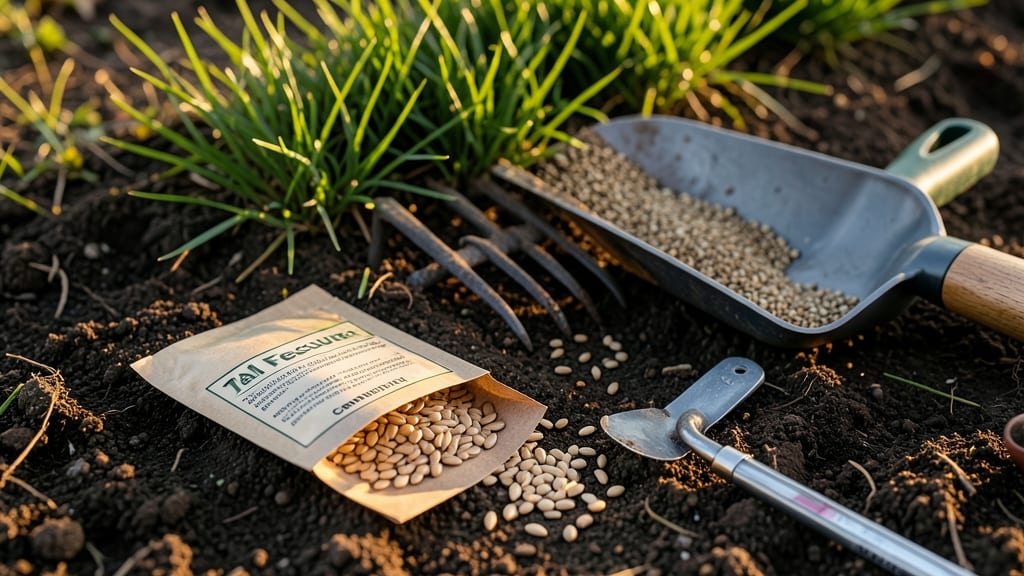
Planting grass seed in the fall gives your lawn the best chance to establish strong roots before winter 🌱 — but you’ve got to get the timing right.
Picture this: You spread seed in late October, only to watch frost lock it in place before it even sprouts. That’s why the 4-week window before first frost is non-negotiable. Miss it, and you’ll be staring at bare patches come spring.
Fall planting works because cooler temps slow weed growth, and moist soil helps seeds germinate faster. But not all regions have the same schedule—Northern zones need to start earlier than Southern ones.
I’ll break down the exact dates for your area, plus how to prep soil and pick the right seed for your climate.
Ready to skip the spring scramble? Here’s how to nail fall planting so your lawn looks lush by next summer.
The exact 4-Week fall planting window for grass seed germination
Fall is the perfect season to plant grass seed because cooler temperatures and reduced weed competition create ideal conditions for germination. But timing is critical—plant too early, and weeds take over; too late, and frost halts growth.
The 4-week pre-frost window is your golden opportunity to establish a thick, healthy lawn before winter dormancy.
To pinpoint the best planting dates for your region, focus on two key factors: soil temperature (ideal range: 50-65°F) and your local frost date. Grass seeds need consistent warmth to sprout but can’t handle freezing soil.
Aim to plant 4-6 weeks before your area’s first expected frost date—this gives seeds time to germinate, develop roots, and strengthen before winter.
| USDA Zone | First Frost Date | Optimal Planting Window | Soil Temp Threshold | Key Tip |
|---|---|---|---|---|
| Zones 3-4 | Mid-September to early October | Late August to mid-September | 50-55°F | Use winter ryegrass for faster germination. |
| Zones 5-6 | Late October to early November | Early September to mid-October | 55-60°F | Test soil pH—aim for 6.0-7.0. |
| Zones 7-8 | Mid-November to early December | Late September to early November | 60-65°F | Water deeply 2x daily for first 2 weeks. |
| Zones 9-10 | December to January | October to early December | 65°F+ | Avoid warm-season grasses—use cool-season blends. |
If you’re unsure about your local frost date, check the USDA Plant Hardiness Zone Map or ask your local Cooperative Extension Service. For example, in Zone 5, where frost typically hits by October 15, your planting window closes around September 20.
In Zone 9, with frost arriving in December, you have until early November to plant.
Pro tip: Use a soil thermometer to confirm temperatures. Grass seeds won’t germinate below 50°F, even if the air feels warm. If soil temps drop unexpectedly, delay planting until conditions stabilize. Consistency is key—fluctuating temps can stall germination entirely.
Don’t let late summer heat fool you into planting too early. If you sow seeds in mid-August in Zone 6, weeds will outcompete your grass before frost arrives. Wait until late August or early September when daytime highs dip below 85°F and nights cool to 60°F or lower.
For northern climates (Zones 3-5), prioritize fast-germinating varieties like tall fescue or ryegrass, which can establish roots in 14-21 days. In southern zones (7-10), focus on Kentucky bluegrass or fine fescue, which handle mild winters better. Always read the seed packet for region-specific recommendations.
Once you’ve planted, protect your seeds from late-season heat spikes. Use a lightweight straw mulch to retain moisture and shield seeds from drying winds. Avoid walking on the area until germination is complete—typically 10-21 days after planting.
Patience pays off: a well-timed fall lawn can outperform spring plantings by 30-50% in density.
If frost arrives earlier than expected, don’t panic. Seeds planted in the last 2 weeks of the window may still germinate if soil stays above 40°F. Just cover the area with mulch to insulate roots until spring.
With the right timing, your lawn will wake up lush and green next season—no patchy gaps in sight!
How to prepare soil and seed for fall planting (before frost hits)
Fall is the perfect time to plant grass seed because cooler temperatures and consistent moisture create ideal conditions for germination. But before you scatter those seeds, you need to prepare your soil and seed properly to ensure a lush, healthy lawn.
The key is creating the right environment where seeds can establish strong roots before winter dormancy sets in.
Start by testing your soil pH—most grasses thrive in slightly acidic to neutral soil (pH 6.0-7.0). If your soil is too alkaline or acidic, you’ll need to adjust it with lime (to raise pH) or sulfur (to lower pH) at least 4-6 weeks before planting.
This gives the amendments time to work their magic in the soil.
- Test Soil pH: Use a soil test kit to check pH. Aim for 6.0-7.0 for most grass types. Adjust with lime or sulfur 4-6 weeks before planting.
- Tilling Depth: Loosen soil to a depth of 3-4 inches to ensure proper seed-to-soil contact. Break up compacted layers for better root penetration.
- Remove Debris: Clear rocks, weeds, and thatch. Weeds compete for nutrients, and debris can block seed contact with soil.
- Add Compost: Mix in 1-2 inches of compost to improve soil fertility and moisture retention. This gives seeds the nutrients they need to germinate.
- Level the Surface: Rake the soil smooth to create an even planting bed. Fill low spots with topsoil to prevent water pooling.
- Pre-Emergent Herbicide: Apply 4-6 weeks after planting to prevent weeds without harming young grass. Never use it before or during germination.
- Seed-to-Soil Contact: Lightly rake seeds into the soil to a depth of ¼ inch. Press them gently to ensure they make contact with the soil.
Once your soil is prepped, focus on the seeds themselves. If you’re using cool-season grasses like Kentucky bluegrass or fescue, store them in a cool, dry place until planting day. Avoid exposing them to extreme heat or moisture, which can reduce viability.
For best results, plant seeds when soil temperatures are between 50-65°F—this range encourages strong root growth without stressing the seedlings.
After planting, keep the soil consistently moist but not waterlogged. Use a light sprinkler or hose to water gently, aiming for about ¼ inch of water per day until germination occurs (usually 7-21 days, depending on the grass type).
Mulching with straw can help retain moisture and protect seeds from drying out or washing away.
Timing is everything when it comes to pre-emergent herbicides. Apply them 4-6 weeks after planting to give your grass seedlings time to establish. This window ensures the herbicide targets weeds without harming your new lawn.
Avoid using pre-emergents before planting, as they can prevent seeds from germinating in the first place.
With the right soil prep and seed care, your fall-planted grass will have a head start on spring. By following these steps, you’ll create the perfect environment for seeds to germinate, grow, and thrive before winter sets in—giving you a stunning lawn come springtime. 🌱