
Lawn
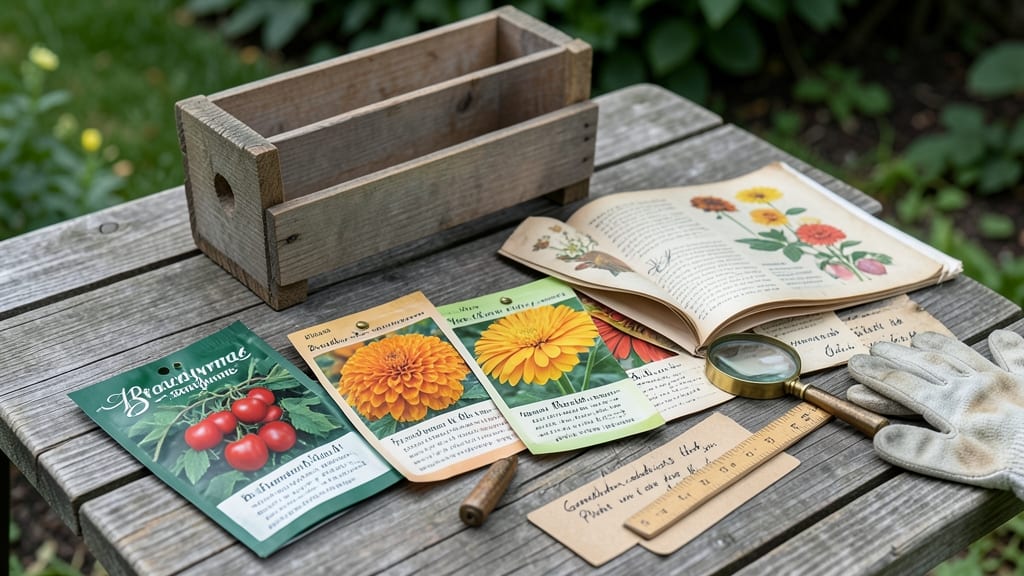
Free garden seed catalogs are your secret weapon for discovering heirloom varieties without spending a dime. 🌱 I still remember flipping through my first catalog as a kid—those pages full of colorful vegetables and flowers sparked a passion that’s lasted decades.
Unlike paid catalogs, these free ones come from trusted sources like land-grant universities, botanical gardens, and nonprofit seed banks.
What makes them special? You get detailed growing guides, regional planting zones, and even seed-saving tips—all for free. My favorite catalogs include the University of Massachusetts Seed Bank and Seed Savers Exchange, which offer rare, open-pollinated varieties you won’t find in stores.
They’re perfect for beginners and seasoned gardeners alike, with notes on soil prep, spacing, and even pest control tailored to your climate.
Using them is simpler than you’d think: just browse the varieties, jot down your favorites, and order seeds online or request them by mail. I’ve grown tomatoes from a free catalog that produced fruit twice as big as store-bought varieties—all because I picked the right heirloom for my zone.
The best part? You’ll save money while expanding your garden’s diversity.
Pro tip: Bookmark your favorite catalogs now—seed orders often need to arrive 6-8 weeks before your last frost. Whether you’re planning a victory garden or just want to try something new, these catalogs are your first step to a more productive, rewarding season. Let’s get those seeds ordered!
📚 In This Guide
- What you need
- Instructions
- Tips and common mistakes
- Wrapping up and next steps
What you need
- ● Internet access (a computer, tablet, or smartphone with a stable connection).
- ● Free seed catalogs—check out trusted sources like: blank">Burpee (free digital catalogs)
- ● blank">Park Seed (free catalogs by mail)
- ● blank">Johnny’s Selected Seeds (free organic options)
- ● blank">Local extension offices (often provide free seed guides)
- ● Notebook or digital notes app (to track favorites, deadlines, and seed details).
- ○ Printer (optional)—if you prefer physical copies of catalogs or seed lists.
- ● Highlighters or sticky notes (to mark must-have seeds or notes).
- ● Pen and paper (for jotting down seed quantities, planting dates, or special instructions).
- ● Seed starting supplies (if applicable): Seed trays or biodegradable pots (10–20 units, depending on your garden size).
- ● Potting soil (sterile, seed-starting mix).
- ● Grow lights or a sunny windowsill (for indoor starts).
- ○ Garden planner (optional but helpful)—apps like blank">Gardenate or a blank">free printable layout can save time!
How to access free garden seed catalogs for your planting plans
Skip the cost of seed packets—here’s how to get high-quality catalogs without spending a dime.
🌱 Step 1: Identify Reputable Sources for Free Catalogs
Start with well-known seed companies that offer free catalogs as part of their marketing. Companies like Burpee, Park Seed, and Johnny’s Selected Seeds regularly mail free catalogs to new customers. Visit their websites and look for a "Free Catalog" or "Request Catalog" button—often located in the footer or under a "Resources" tab.
Public libraries are another goldmine. Many branch locations partner with seed companies to distribute catalogs for free. Call ahead to confirm availability, as some libraries limit quantities. I’ve found that smaller, rural libraries often have more catalogs on hand than city branches.
📚 Step 2: Request Catalogs Online or by Phone
Most seed companies make requesting a free catalog simple. Fill out a short online form with your name, address, and email—no purchase required. Double-check that you’re entering your information correctly, as some companies use strict verification processes to prevent spam requests. I’ve had catalogs arrive within 7-10 days of submission.
If you prefer speaking with a person, call the company’s customer service line. Ask to be added to their free catalog mailing list. Some companies, like Seed Savers Exchange, even offer digital catalogs you can download immediately after requesting. Always confirm whether the catalog is physical or digital to avoid disappointment.
☀️ Step 3: Join Gardening Communities for Hidden Catalogs
Online gardening forums and Facebook groups often share free seed catalogs as giveaways or trade items. Websites like GardenWeb and Garden.org frequently have threads where members post links to free catalogs or offer to mail them. Join a few active groups, introduce yourself, and mention you’re looking for catalogs—many members will happily share.
Local gardening clubs and 4-H programs sometimes distribute free catalogs at meetings or events. Check their websites or social media pages for upcoming gatherings. I’ve picked up catalogs at county fair booths and community garden workshops—always ask if they have extras to share.
⏰ Step 4: Plan Around Catalog Release Cycles
Seed companies typically release new catalogs in late winter or early spring, aligning with planting seasons. If you request a catalog in summer, you might receive a generic or older version. Time your request strategically—aim for January through March to get the freshest selections and avoid missing out on limited-edition varieties.
Some catalogs are seasonal, so don’t be surprised if a summer request yields a catalog focused on fall crops. Always check the publication date listed inside the catalog to ensure you’re getting the most up-to-date information. I keep a spreadsheet to track when I request catalogs and when they arrive—it helps me plan my seed orders efficiently.
🌿 Step 5: Organize and Use Your Catalogs Effectively
Once you’ve collected your catalogs, sort them by crop type or growing season. Highlight varieties that suit your climate and gardening goals. Pay attention to notes about disease resistance, maturity dates, and growing conditions—these details help you make informed choices. I like to mark catalogs with sticky notes for easy reference when planning my garden layout.
Use your free catalogs as a resource beyond just seed orders. Many include growing tips, troubleshooting guides, and even recipes for harvested produce. Some companies offer discounts or loyalty programs for catalog subscribers, so keep your catalogs handy for future purchases. Store them in a dry, protected place to preserve their condition for years to come.
Tips & tricks for maximizing your free seed catalog collection
Took me years to perfect this system—here's how to turn free catalogs into a gardening powerhouse without missing a beat.
Catalog Timing Strategy: The 7-10 day delivery window mentioned in Step 2 is your golden opportunity. I recommend requesting catalogs from at least three different companies simultaneously—this spreads your chances of receiving the freshest varieties. For example, if you request from Burpee, Park Seed, and Johnny's Selected Seeds all in January, you'll likely get three distinct catalogs showcasing their unique offerings. This diversity helps you compare varieties and find the perfect matches for your growing conditions.
Library Pro Tip: When visiting libraries for catalogs, I always ask the librarian about their "seed swap" programs—many libraries host annual events where gardeners bring extra catalogs to share. These events often happen in early spring and can yield catalogs from companies you might not have requested directly. Bring a small notebook to record which libraries have the best selections so you can prioritize future visits. Some libraries even have seed catalogs on permanent display in their gardening sections.
Digital Catalog Advantage: In Step 2, they mention Seed Savers Exchange offers digital catalogs. I've found these to be incredibly useful for quick reference, especially when planning my garden layout on my tablet. The search function makes it easy to find specific varieties by characteristics like "disease-resistant tomatoes" or "fast-growing greens." For physical catalogs, I always take photos of the pages I plan to reference later—this creates a digital backup that's always accessible, even if the paper catalog gets misplaced.
Seasonal Planning Hack: The January through March window in Step 4 is perfect for planning your entire growing season. I create a simple spreadsheet with columns for each catalog received, noting publication dates, variety highlights, and any limited-edition seeds. This organized approach helps me spot trends across companies—like which varieties appear in multiple catalogs—and makes it easier to prioritize which seeds to order. I also note which companies offer discounts to catalog subscribers, as this can save significant money when placing orders later in the season.
Pro Tips for Free Garden Seed Catalogs
- Took me years to perfect this system—here's how to turn free catalogs into a gardening powerhouse without missing a beat.
- Catalog Timing Strategy: The 7-10 day delivery window mentioned in Step 2 is your golden opportunity.
- Library Pro Tip: When visiting libraries for catalogs, I always ask the librarian about their "seed swap" programs—many libraries host annual events where gardeners bring extra catalogs to share.
Frequently asked questions
Got questions about free garden seed catalogs? You’re not alone! Here are answers to the most common queries—so you can dive into gardening with confidence.
Where can I find free garden seed catalogs?
Many seed companies (like Burpee, Park Seed, and Johnny’s Selected Seeds) offer free catalogs online or via mail. Check their websites for digital downloads or request a physical copy. Local garden centers or seed swaps may also provide free guides!
When is the best time to order seeds from these catalogs?
Timing depends on your climate and what you’re growing. For cool-season crops (like lettuce or spinach), order in early spring. Warm-season plants (tomatoes, peppers) should be ordered 6–8 weeks before your last frost date. Always check the catalog’s planting chart!
Are there truly free seed catalogs, or are they just free trials?
Most free catalogs are 100% free—no hidden costs! Some may include free seed packets (like heirloom varieties) as a bonus, but the catalog itself is always complimentary. Always read the fine print to avoid surprises.
Can I use seeds from free catalogs in my local climate?
Yes! Reputable catalogs list USDA hardiness zones and growing regions for each seed. If you’re unsure, look for “heirloom” or “adaptive” varieties, which tend to thrive in diverse climates. Local extension offices can also offer tailored advice!
What if I don’t want to garden from a catalog—are there alternatives?
Try seed swaps (local or online), open-pollinated seed banks, or even free seed libraries at public gardens. Many communities also host “seed bomb” workshops—a fun, zero-cost way to start growing!
Wrapping up and next steps
Discovering free garden seed catalogs is your gateway to a bountiful, budget-friendly harvest—no green thumb required! These no-cost resources unlock a world of heirloom varieties, organic options, and expert tips, making gardening accessible and exciting.
Whether you're a beginner or a seasoned pro, start small, dream big, and let your creativity grow.
🌱 Your Next Step: Plant the Seeds of Adventure!
Ready to turn the page on your gardening journey? Pick a catalog, sketch your dream garden layout, and order your seeds today! Share your progress with fellow green thumbs online—inspiration grows faster when we connect. Happy planting! 🌿