
Lawn
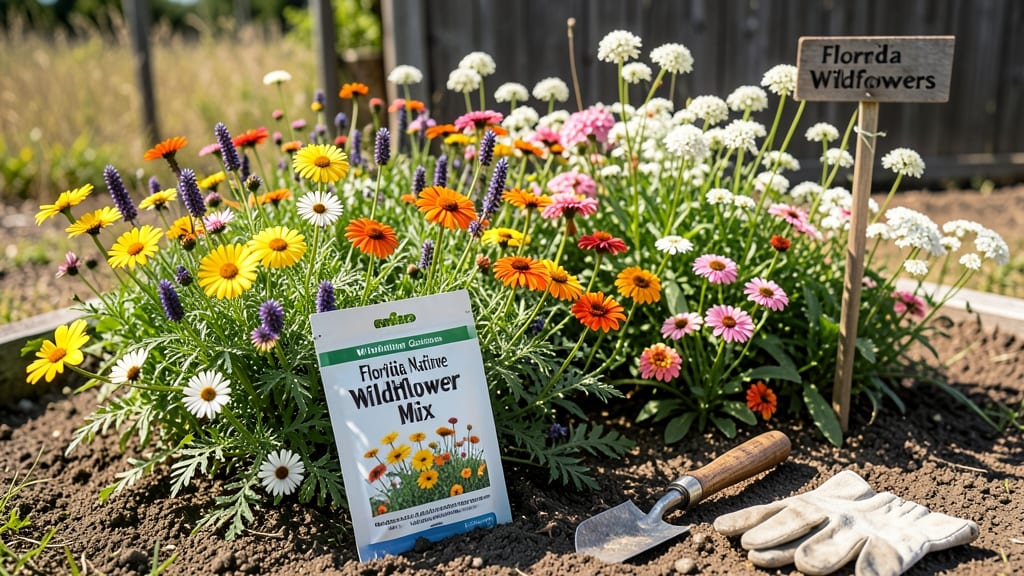
Florida wildflower seed mix transforms bare patches into buzzing pollinator paradises with almost no effort. 🌻 I planted mine last November after years of struggling with sterile lawns—now my yard hums with bees by February, and the blooms last until frost.
The secret lies in mimicking Florida's natural ecosystems, not fighting them.
You'll need a sunny spot (at least 6 hours of direct light), loose soil (no heavy tilling needed), and a light raking to break up clumps. The seeds are tiny but tough—just scatter them thinly and press into the top ¼ inch.
No need for fertilizer; these natives thrive on Florida's sandy soil once established. Water lightly for the first two weeks, then let nature take over.
Within 6-8 weeks, you'll see delicate blue lupines, fiery blanketed roses, and golden coreopsis popping up. The flowers attract hummingbirds, butterflies, and native bees that store-bought plants can't support. My neighbors now ask where I get my "magical" blooms—it's just letting Florida's wildflowers do their thing.
Common challenges? Birds love the seeds, so pre-sprout in a tray if needed. Drought tolerance is high once established, but a deep watering every 2 weeks helps young plants. The real magic happens in spring when your yard becomes a pollinator highway. Ready to skip the mower for a while?
📚 In This Guide
- What you need
- Instructions
- Tips and common mistakes
- Wrapping up and next steps
What you need
- ● Florida Wildflower Seed Mix: 1–5 lbs (coverage depends on area; 1 lb ≈ 1,000 sq ft). Look for native blends like Black-Eyed Susan, Blanket Flower, or Coreopsis.
- ● Soil: Well-draining, slightly sandy loam (Florida’s native soil is ideal). Amend heavy clay with compost or coarse sand if needed.
- ● Water Source: Hose with adjustable nozzle or a drip irrigation system (critical for the first 2–4 weeks).
- ○ Fertilizer (Optional): Low-phosphorus, slow-release fertilizer (e.g., 5-5-5 ratio) to avoid overfeeding wildflowers.
- ● Garden Rake: Heavy-duty, 8–12" teeth to loosen soil and remove debris.
- ○ Broadcast Spreader: Handheld or wheel-type (optional but saves time for even seed distribution).
- ● Garden Hoe or Cultivator: For light soil prep (avoid deep tilling—wildflowers prefer undisturbed roots!).
- ● Garden Gloves: Sturdy pair to protect hands from prickly stems or rough soil.
- ○ Mulch (Optional): Straw or pine needles (¼" layer) to retain moisture and suppress weeds.
- ● Sunlight: Full sun (6+ hours daily). Partial shade may limit bloom diversity.
- ● Timing: Plant in early spring (Feb–March) or fall (Sept–Oct) to align with Florida’s rainy seasons.
- ● Location: Choose a spot with minimal foot traffic—wildflowers thrive when left undisturbed!
Step-by-step guide to planting Florida wildflower seed mix
Ready to transform your yard into a buzzing pollinator paradise? Here's my foolproof method for establishing a wildflower meadow that thrives in Florida's unique climate.
🌱 Step 1: Prepare the Site for Optimal Growth
Choose an area with full sun exposure (at least 6 hours daily) and minimal competition from existing vegetation. I like to start with a 10x10 foot section for my first planting—this gives enough space for visible impact without overwhelming maintenance. Clear any existing grass or weeds by hand or with a hoe, being careful not to disturb the soil too deeply.
Wildflowers thrive in well-draining soil, so if your area has heavy clay, mix in 2-3 inches of compost and rake it evenly. The goal is to create a loose, crumbly surface that seeds can easily settle into. Avoid tilling, as this can bring buried weed seeds to the surface. Lightly rake the prepared area until the soil looks like fine sandpaper—just rough enough for seeds to catch.
💧 Step 2: Scatter Seeds Strategically
Open your Florida wildflower seed mix and pour it directly onto the prepared soil. For a natural look, I like to scatter seeds by hand rather than using a spreader—this helps create the irregular patterns that mimic natural meadows. Aim for about 1/4 pound of seed per 100 square feet; this density ensures good coverage while preventing overcrowding.
After scattering, gently rake the seeds into the soil with a stiff-bristled rake, pressing them just enough to make contact with the earth. This light incorporation protects seeds from birds while keeping them in contact with moisture. I find that a light misting with water afterward helps settle everything in place—just enough to dampen the surface without creating puddles.
☀️ Step 3: Maintain Moisture Without Overwatering
The first critical weeks focus on keeping the soil consistently moist but never soggy. Water lightly every 2-3 days until germination occurs (typically within 7-21 days, depending on rainfall). You'll know moisture is right when the soil surface looks slightly damp but not glistening. Overwatering at this stage can cause seed rot, so always check the top inch before watering.
Once seedlings emerge, reduce watering to once weekly unless there's been no rain for a week. Florida's humidity does most of the work for you—wildflowers are naturally drought-tolerant once established. Let the soil dry slightly between waterings to encourage deep root growth. You'll see the first true leaves appear within 3-4 weeks, signaling that the plants are actively growing.
✂️ Step 4: Encourage Natural Spread and Maintenance
After the initial planting, minimal intervention is needed. Wildflowers thrive with no fertilizer—they're adapted to Florida's nutrient-poor soils. In late winter or early spring, you can lightly mow the area to remove any dead growth and encourage new shoots. Set your mower to 3-4 inches high to protect the plants' crowns while maintaining a tidy appearance.
Watch for invasive species like cogongrass or smilax that can outcompete your wildflowers. Pull these by hand when you spot them—don't let them take root. The beauty of wildflowers is their ability to self-seed and spread naturally. By the second year, you'll see new blooms appearing in unexpected spots, creating a dynamic, ever-changing meadow that pollinators adore.
🪴 Step 5: Enjoy the Pollinator Paradise
Your wildflower meadow will reach its peak beauty in the fall and winter months, when most Florida landscapes are dormant. You'll see butterflies, bees, and hummingbirds visiting regularly—especially if you include native species like black-eyed Susans, coreopsis, and wild bergamot. The key to long-term success is patience; full establishment takes about 2-3 years, but the payoff is worth it.
Consider adding a small water source like a shallow birdbath nearby to attract even more pollinators. I like to place it about 10 feet from the meadow edge, where visitors can easily find it. The combination of flowers and water creates a mini ecosystem that thrives with minimal effort on your part. Once established, your wildflower meadow will require almost no maintenance—just occasional mowing and the occasional removal of persistent weeds.
Tips & tricks for perfect Florida wildflower meadows
These practical insights will help you avoid common pitfalls and create a thriving pollinator haven with minimal effort.
Site Selection Secret: The 6 hours of full sun requirement is non-negotiable for Florida wildflowers, but don't overlook wind exposure. I've found that slightly elevated areas with good air circulation prevent fungal issues while still getting plenty of sunlight. If your yard has shaded spots, consider planting sun-loving varieties like coreopsis or salvia in the sunniest areas first—they'll establish quickly and provide early pollinator support.
Soil Prep Strategy: When mixing in that 2-3 inches of compost, don't just dump it on top—work it into the top 4-6 inches of soil. This creates a deeper root zone for your wildflowers. For heavy clay soils, I like to add a handful of perlite to the compost mix to improve drainage without disturbing the soil structure too much. The key is creating that "fine sandpaper" texture that lets seeds make contact while still allowing water to penetrate.
Timing Secret: The 2-3 day watering schedule in those critical first weeks is crucial, but timing matters just as much as frequency. Water in the early morning whenever possible—this gives seeds time to absorb moisture before the Florida heat causes evaporation. I've noticed that evening watering can lead to fungal issues, especially if humidity is high. A simple garden hose with a gentle spray nozzle works perfectly for this delicate stage.
Pollinator Boost: While the instructions mention waiting for full establishment (2-3 years), you can actually accelerate pollinator attraction by planting a few fast-growing annuals like cosmos or sunflowers alongside your wildflower seeds. These provide immediate food sources while your perennials establish. Just be prepared to remove them after one season to avoid competition—think of them as temporary "pollinator magnets" that give your meadow a head start.
Pro Tips for Florida Wildflower Seed Mix
- These practical insights will help you avoid common pitfalls and create a thriving pollinator haven with minimal effort.
- Site Selection Secret: The 6 hours of full sun requirement is non-negotiable for Florida wildflowers, but don't overlook wind exposure.
- Soil Prep Strategy: When mixing in that 2-3 inches of compost, don't just dump it on top—work it into the top 4-6 inches of soil.
Frequently asked questions
Got questions about transforming your Florida landscape with wildflowers? Here are answers to the most common ones—so you can dive right in with confidence!
When is the best time to plant Florida wildflower seed mix?
The ideal window is late summer to early fall (August–October), when soil is warm and rainfall is plentiful. This timing helps seeds germinate before winter, giving them a head start. For spring planting, aim for February–March—just avoid extreme heat or drought periods!
How often should I water after planting?
Keep the soil consistently moist (not soggy) for the first 4–6 weeks, watering lightly daily if rainfall is scarce. Once seedlings sprout, taper to 2–3 times per week. After establishment (6–8 weeks), wildflowers are drought-tolerant—let nature take over!
Will this mix attract bees and butterflies?
Absolutely!
Florida wildflower blends like Black-eyed Susan, Coreopsis, and Blanket Flower are pollinator magnets. For extra buzz, pair with native grasses like muhly grass or switchgrass. Avoid pesticides—healthy blooms = happy pollinators!
Can I plant wildflowers in shady areas?
Most Florida wildflower mixes thrive in full sun (6+ hours/day), but a few shade-tolerant varieties (like Firewheel or Partridge Pea) work in partial shade (3–6 hours of sun). For deep shade (<3 hours), consider a native fern or ground cover mix instead.
What if my seeds don’t sprout?
Try these fixes:
- Scarify the soil: Lightly rake or scratch the surface to help seeds make contact.
- Check moisture: Seeds need consistent dampness—water gently but thoroughly.
- Wait patiently: Some species (like Coreopsis) germinate slowly—give them 6–8 weeks.
- Replant: If no sprouts appear after 3 months, try a fresh batch in a sunny spot.
Pro tip: Stratification (chilling seeds) can boost germination—mix seeds with damp sand and refrigerate for 1–2 weeks before planting!
Wrapping up and next steps
Transforming your Florida landscape into a vibrant, pollinator-friendly haven is easier—and more rewarding—than you think! With a Florida wildflower seed mix, you’re not just planting seeds; you’re nurturing a thriving ecosystem that benefits bees, butterflies, and birds while adding natural beauty to your yard.
The best part? These hardy blooms demand minimal effort and deliver maximum impact.
Ready to take the next step? Start small—whether it’s a sunny patch, a rain garden, or a container garden—then watch your outdoor space burst to life with color and life. 🌸🐝 Grab your seeds, roll up your sleeves, and let nature do the rest!