Lawn
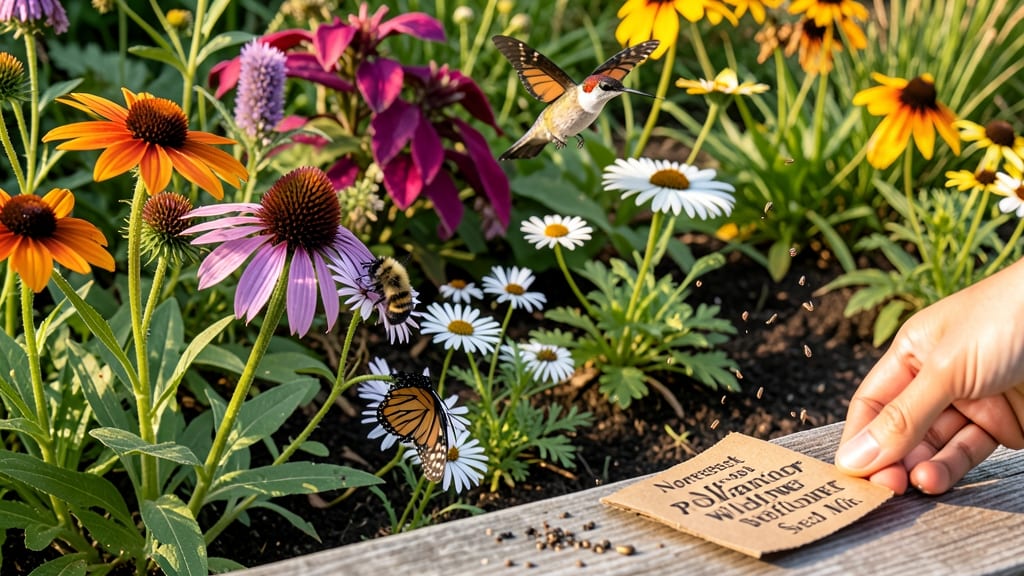
A Northeast pollinator wildflower seed mix transforms your garden into a buzzing, blooming haven for bees, butterflies, and hummingbirds—without the fuss of annual replanting. 🌸 I planted mine last spring, and within weeks, my yard became a magnet for pollinators, with flowers that return year after year.
The secret lies in the native species carefully selected to thrive in the Northeast’s climate, from New England to the Mid-Atlantic. This mix isn’t just about beauty—it’s a lifeline for struggling pollinators.
You’ll find hardy perennials like black-eyed Susans, purple coneflowers, and milkweed, all of which attract specific pollinators while demanding minimal care. The flowers bloom in succession, ensuring a steady food source from early summer through fall.
Plus, they’re drought-tolerant once established, making them perfect for busy gardeners or dry spells. What you’ll end up with is a garden that hums with activity, looks stunning, and requires almost no maintenance after the first year. The deep roots prevent erosion, and the diverse species outcompete weeds naturally.
Even small spaces—like a sunny corner or rain garden—can support these pollinator powerhouses. Best of all, this mix adapts to various garden styles, whether you’re going for a wild meadow look or a tidy border.
Just scatter the seeds in early spring or fall, water lightly, and let nature do the rest. Your garden will reward you with color, life, and a thriving ecosystem that keeps giving back.
📚 In This Guide
- What you need
- Instructions
- Tips and common mistakes
- Wrapping up and next steps
What you need
- ● Northeast Pollinator Wildflower Seed Mix: 1 lb (or more, depending on area size—see seed coverage guide below)
- ● Prepped soil: Loose, well-draining soil (remove weeds, rocks, and debris)
- ● Water source: Garden hose or watering can (with a gentle spray nozzle)
- ○ Optional starter fertilizer: Low-phosphorus, organic fertilizer (e.g., compost or bone meal, 1 lb per 100 sq ft)
- ● Garden rake: For smoothing soil (8-12" teeth recommended)
- ○ Handheld or broadcast spreader: For even seed distribution (optional but helpful for larger areas)
- ● Gloves: To protect hands from soil and seeds
- ○ Row marker or string: To outline planting rows (optional for precision)
- ● Sunny location: 6+ hours of direct sunlight daily (full sun preferred)
- ● Timing: Plant in early spring or fall (avoid summer heat)
- ● Space: Minimum 100 sq ft for a visible pollinator impact (scale up for larger gardens!)
Step-by-step planting guide for Northeast pollinator wildflower seed mix
This native blend thrives with minimal fuss—here’s how to create a buzzing meadow in your yard.
🌱 Step 1: Prepare the Soil for Optimal Germination
Choose a sunny spot with at least 6 hours of direct sunlight daily—pollinators need warmth to thrive. Clear any existing vegetation, then loosen the top 4-6 inches of soil with a rake or tiller. You want the soil to feel crumbly and airy, not compacted. For sandy or rocky soil, mix in 2-3 inches of compost to improve moisture retention and nutrient availability.
Test the soil’s moisture level by squeezing a handful—it should hold together slightly but not feel soggy. If your soil drains too quickly, add 1 inch of organic mulch (like shredded leaves) to help retain moisture during the critical germination phase. Avoid tilling too deeply; wildflower roots need to establish quickly near the surface.
💧 Step 2: Scatter Seeds Evenly for Natural Spread
Spread the seed mix lightly but evenly over the prepared area—aim for about 1/4 pound per 100 square feet. I like to use a seed spreader or simply scatter seeds by hand while walking in a grid pattern. This ensures no bare spots while preventing overcrowding, which can lead to weak, competitive plants.
Gently press the seeds into the soil with a light rake or board—just enough to make contact with the earth. This prevents seeds from washing away during watering or rain. For rocky or uneven terrain, mix seeds with a little sand (about 1 part sand to 10 parts seeds) to help distribute them more evenly.
☀️ Step 3: Water Gently and Maintain Moisture
Water the area lightly but thoroughly right after planting—enough to moisten the top 1-2 inches of soil. Use a fine mist setting on your hose or watering can to avoid displacing seeds. Keep the soil consistently moist (not soggy) for the first 4-6 weeks, which is when most seeds germinate. You’ll know moisture is right when the soil surface looks slightly damp but not glistening.
After germination, reduce watering to once a week unless there’s no rain. Native wildflowers are drought-tolerant once established, but young seedlings need steady moisture to develop strong roots. Avoid overhead watering once sprouts appear—direct water to the base to prevent fungal diseases like damping-off.
✂️ Step 4: Let Nature Take Over (Minimal Maintenance)
Resist the urge to thin seedlings—wildflowers thrive in natural density. Once plants reach 3-4 inches tall, mow the area once at a low height (about 2 inches) to encourage bushier growth. This mimics natural meadow conditions and prevents leggy stems. Avoid fertilizing; these native species rely on natural soil fertility and can’t handle synthetic nutrients.
By late summer, you’ll see blooms attracting bees, butterflies, and hummingbirds. Leave seed heads standing through winter—they provide food for birds and shelter for beneficial insects. In early spring, lightly rake to clear debris and repeat the process if you want to encourage a second year of blooms.
🪴 Step 5: Protect and Expand Your Pollinator Haven
Mark your wildflower area to avoid accidental mowing or herbicide application. If weeds start to dominate, hand-pull them in early spring before they compete with wildflowers. Native plants are tough but need a fighting chance. For larger areas, consider dividing the space into sections and planting in phases to manage maintenance.
Each year, a few new species will naturalize and spread on their own. Over time, your meadow will evolve into a self-sustaining ecosystem. Share extra seeds with neighbors—every patch helps pollinators thrive! By next summer, you’ll have a vibrant, low-maintenance garden that hums with life.
Tips & tricks for perfect Northeast pollinator wildflower meadows
Creating a thriving pollinator garden doesn't require a green thumb—just these key insights that turn good intentions into buzzing success.
Sunlight is Non-Negotiable: That 6 hours of direct sunlight requirement isn't just a suggestion—it's the foundation. I've seen pollinator gardens fail spectacularly in shady spots where bees simply won't visit. If your yard has partial shade, consider creating smaller sun-focused patches instead of one large area. Morning sun is ideal because it gives plants time to dry overnight, preventing fungal issues.
Soil Prep Makes All the Difference: The 4-6 inch soil loosening might seem like overkill, but it's what separates thriving meadows from struggling patches. Use a broadfork if you have compacted soil—it aerates without disturbing the soil structure like tilling does. For rocky areas, I've had great success mixing in 2-3 inches of compost and 1 inch of mulch to create the perfect microclimate for germination. Think of it as creating a cozy nest for your seeds rather than just planting and hoping.
Precision in Planting Pays Off: When scattering those 1/4 pound seeds per 100 square feet, think of it like snowfall—light but even. I've found that walking in a grid pattern while scattering prevents those frustrating bare spots. For rocky terrain, the sand trick (1 part sand to 10 parts seeds) is a game-changer—it helps seeds stick to uneven surfaces. Pressing seeds lightly with a board creates just enough contact with soil for moisture without burying them too deeply.
Watering Wisdom Prevents Common Failures: The 4-6 week consistent moisture window is critical, but many gardeners either overwater or underwater. I've learned to check soil moisture by squeezing a handful—it should feel like a damp sponge, not a dripping wet rag. Once germination occurs, switch to watering at the base rather than overhead to prevent damping-off disease. Think of your watering can as a precision tool rather than a flood control mechanism.
Pro Tips for Northeast Pollinator Wildflower Seed Mix
- Creating a thriving pollinator garden doesn't require a green thumb—just these key insights that turn good intentions into buzzing success.
- Sunlight is Non-Negotiable: That 6 hours of direct sunlight requirement isn't just a suggestion—it's the foundation.
- Soil Prep Makes All the Difference: The 4-6 inch soil loosening might seem like overkill, but it's what separates thriving meadows from struggling patches.
Frequently asked questions
about Northeast Pollinator Wildflower Seed Mix—because growing a buzz-worthy garden shouldn’t come with a side of confusion!When is the best time to plant this seed mix?
For optimal germination, sow seeds in early spring (March–April) or late summer (August–September). Avoid planting in extreme heat or frost. If your region has mild winters, fall planting can give flowers a head start in spring!
How much water does this mix need?
Keep soil consistently moist (not soggy!) for the first 2–3 weeks after planting. Once established, wildflowers are drought-tolerant—water deeply 1–2 times per week during dry spells. Pro tip: Morning watering reduces evaporation and fungal risks.
Will this mix attract bees, butterflies, AND hummingbirds?
This blend includes bee-friendly (e.g., black-eyed Susan, purple coneflower), butterfly magnets (e.g., milkweed, butterfly weed), and hummingbird favorites (e.g., bee balm, cardinal flower). Plant in sunny spots (6+ hours of light) for maximum pollinator traffic!
Can I plant this in containers or just gardens?
Yes! While it thrives in garden beds and meadows, you can also grow it in large containers (12"+ deep) with well-draining soil. Use a mix of 50% wildflower seeds and 50% native soil to mimic natural conditions. Just ensure containers get plenty of sunlight!
What if weeds take over before the wildflowers grow?
Weeds are common in early stages, but don’t despair! Hand-pull them before seeding and use mulch or cardboard to suppress growth. Once wildflowers (1–2" tall) sprout, they’ll outcompete weeds naturally. Pro tip: Avoid herbicides—they’ll kill your pollinators too!
Does this mix do well in partial shade?
Mostly sunny (6+ hours/day) is ideal, but light shade (3–4 hours) works for shade-tolerant species like Virginia bluebells or wild columbine. Avoid deep shade—these flowers need sunlight to thrive and support pollinators effectively.
Wrapping up and next steps
Transforming your Northeast landscape into a buzzing pollinator paradise is easier—and more rewarding—than you think! With a northeast pollinator wildflower seed mix, you’re not just planting seeds; you’re nurturing ecosystems, supporting local wildlife, and creating a low-maintenance beauty that thrives on its own. 🌸
Ready to take the next step? Start small—whether it’s a sunny corner of your yard or a patch of neglected soil—and watch your garden flourish with vibrant blooms and happy pollinators. Your green thumb (and the bees!) will thank you.