
Lawn
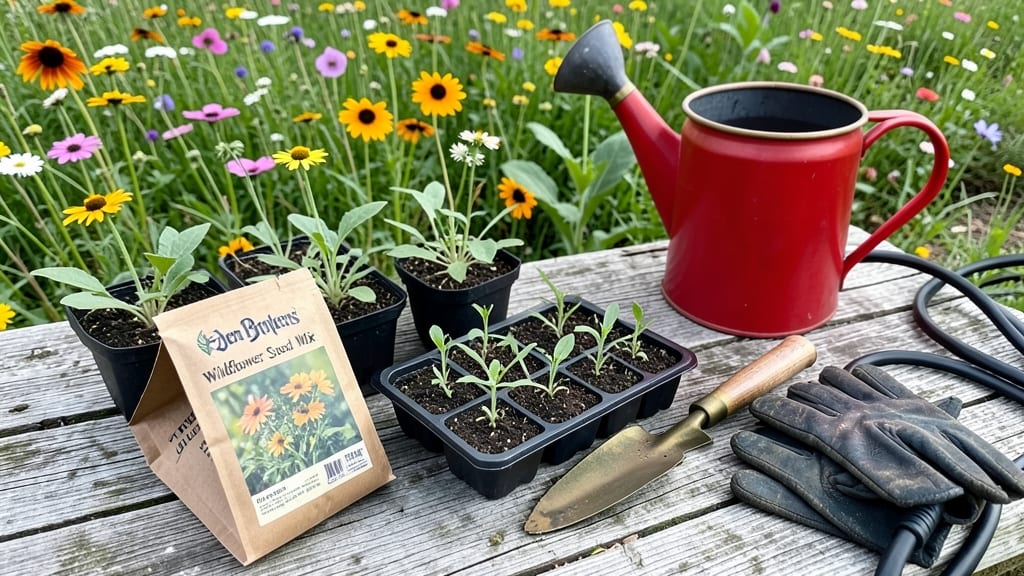
The Eden Brothers Wildflower Seed Mix turns your yard into a pollinator paradise with minimal effort. 🌻 I’ve planted this blend twice now, and the first year’s transformation—from patchy lawn to a riot of color—still makes me smile every time I walk outside.
This mix thrives in full sun to partial shade, needs just 60 days of summer heat to establish, and attracts bees, butterflies, and hummingbirds like nothing else. The secret? No-till planting and a light watering routine that keeps weeds at bay while letting wildflowers take root.
By late spring, you’ll see vibrant blooms that last through fall, with some varieties even returning year after year. The best part? Once established, these plants need almost no maintenance—just occasional mowing (if you want a shorter look) and maybe a top-up of seeds every few years.
Perfect for beginners, eco-conscious gardeners, or anyone tired of mowing the same old lawn. Let’s get those seeds in the ground!
📚 In This Guide
- What you need
- Instructions
- Tips and common mistakes
- Wrapping up and next steps
What you need
- ● Eden Brothers Wildflower Seed Mix – 1 lb (or more, depending on space) (covers ~1,000 sq. ft.).
- ● Prepped soil – Loose, weed-free, and free of debris (till or rake if needed).
- ● Water source – Hose or watering can with a gentle spray nozzle.
- ○ Garden rake – For light soil aeration (optional but helpful for seed-to-soil contact).
- ○ Straw or mulch – Light layer (~¼ inch) to retain moisture (optional but recommended for dry climates).
- ● Broadcast spreader – Ensures even seed distribution (especially for larger areas).
- ● Garden gloves – Protects hands from prickly stems or soil.
- ● Soil test kit – Checks pH/fertility (wildflowers thrive in poor soil—adjust if needed).
- ● Wildflower companion plants – Like clover or native grasses for extra texture.
Step-by-Step instructions for planting Eden Brothers wildflower seed mix
Transform your yard into a thriving, low-maintenance meadow with this easy, weed-resistant approach.
🌱 Step 1: Prepare the Soil for Optimal Germination
Clear the planting area of weeds, grass, and debris using a hoe or rake. Wildflowers thrive in poor soil, but they do best when the surface is loose and free of competition. I like to loosen the top 2-3 inches of soil with a broadfork or tiller—just enough to break up compaction without turning the earth deeply.
For new plantings, spread a ½-inch layer of compost over the prepared area and lightly rake it in. This provides essential nutrients without creating fertile conditions that encourage weeds. Avoid heavy fertilization—wildflowers grow best in lean soil that mimics their natural prairie habitat.
☀️ Step 2: Choose the Right Planting Time and Conditions
Plant your Eden Brothers Wildflower Seed Mix in early spring (after the last frost) or late summer to early fall for best results. These timing windows give seeds time to establish roots before summer heat or winter cold stress them. I always check the weather forecast and aim for a week with consistent temperatures between 50-75°F and no rain in the forecast.
Scatter seeds evenly across the prepared area, working in small sections to avoid missing spots. For a natural look, I use a seed spreader or simply toss handfuls while walking—just be sure to overlap slightly to ensure full coverage. Lightly press seeds into the soil with a board or rake to ensure good soil contact, but don't bury them deeper than ¼ inch.
💧 Step 3: Water Strategically for Germination
Keep the soil consistently moist but not soggy for the first 2-3 weeks—this is critical for germination. I use a gentle sprinkler or soaker hose set to deliver ¼ inch of water per week, adjusting for rainfall. The key is maintaining even moisture without creating puddles that can rot seeds.
Once seedlings appear (usually within 7-14 days), reduce watering to once per week unless there's been recent rain. Wildflowers are drought-tolerant once established, so overwatering at this stage is more harmful than helpful. You'll know you're doing it right when seedlings emerge with bright green leaves and no signs of wilting.
✂️ Step 4: Maintain Through the First Growing Season
Allow wildflowers to grow uninterrupted for the first year—they establish deep roots and store energy for future blooms. I avoid mowing until late fall or early winter, when most plants have gone dormant. This gives seeds time to mature and self-sow for next year's display.
If weeds do appear, I pull them by hand when small rather than using herbicides. Wildflowers compete poorly with aggressive weeds, so staying vigilant in the first year ensures a lush, weed-free meadow. By second year, your wildflowers will dominate the space naturally, requiring minimal maintenance.
🌿 Step 5: Enjoy and Encourage Annual Blooms
After the first year, your meadow will reward you with vibrant blooms from early spring through fall. To extend the season, I deadhead spent flowers in late summer—this encourages a second flush of blooms and prevents reseeding where you don't want it. Simply snip back stems just above the first set of leaves with clean shears.
For perennial varieties, I leave some seed heads standing through winter to feed birds and provide natural reseeding. By third year, your meadow will reach full maturity, with wildflower varieties blooming at different times to create continuous color. The key to long-term success is minimal intervention—let nature do the work once established.
Tips & tricks for planting Eden Brothers wildflower seed mix
Creating a thriving meadow takes patience, but these insights will help you avoid common pitfalls and maximize your success.
Soil Preparation Secret: The key to successful germination lies in that 2-3 inch soil loosening in Step 1. Use a broadfork instead of a tiller—it preserves soil structure while breaking up compaction. For rocky soil, simply rake away surface debris and create shallow furrows where seeds can nestle. This mimics natural prairie conditions where seeds settle into loose earth.
Timing is Everything: Those 50-75°F temperature windows in Step 2 are non-negotiable for germination. If your spring is unusually warm, consider the late summer planting window instead—it often provides more reliable conditions. I've found that planting in September gives seeds time to establish roots before winter, resulting in stronger first-year growth.
Watering Wisdom: The 2-3 week consistent moisture period in Step 3 is where most failures happen. Use a rain gauge to track your ¼ inch per week watering—most sprinklers deliver too much. Morning watering prevents fungal issues, and a soaker hose delivers water directly to roots without wetting foliage. Once seedlings appear, let the soil dry slightly between waterings to prevent rot.
Weed Prevention Strategy: In Step 4, hand-pulling weeds may seem tedious, but it's worth the effort. I've found that applying a thin layer of straw mulch (optional) after planting helps suppress weeds while retaining moisture. Just be sure to keep it away from seedling stems to prevent rot. The first year's weed control directly impacts your meadow's long-term success.
Pro Tips for Eden Brothers Wildflower Seed Mix
- Creating a thriving meadow takes patience, but these insights will help you avoid common pitfalls and maximize your s...
- Soil Preparation Secret: The key to successful germination lies in that 2-3 inch soil loosening in Step 1. Use a broa...
- Timing is Everything: Those 50-75°F temperature windows in Step 2 are non-negotiable for germination. If your spring ...
Frequently asked questions
Got questions about transforming your space with Eden Brothers Wildflower Seed Mix? You’re not alone! Here are answers to the most common queries to help you grow a thriving, low-maintenance meadow with confidence.
How long does it take for wildflowers to bloom after planting?
Most wildflower varieties in the Eden Brothers mix begin blooming 6-10 weeks after planting, with peak color typically appearing in late summer to early fall. Some early bloomers (like clover or sweet alyssum) may surprise you with flowers as soon as 4-6 weeks! Patience pays off—full meadow beauty unfolds over time.
When is the best time to plant wildflower seeds?
The ideal window is late summer to early fall (August–October) or early spring (March–April). Fall-planted seeds establish roots before winter, while spring planting ensures vibrant blooms by summer. Avoid planting in extreme heat or frost—aim for soil temps between 60–75°F for best germination.
Will wildflowers spread and take over my lawn?
Not with the Eden Brothers mix! These non-invasive, self-seeding varieties grow in clumps and won’t choke out your grass. To control spread, mow once per year in late fall (after seeds disperse) or hand-pull any strays. For a cleaner look, plant in designated beds or along fences/edges where they can thrive without competing with turf.
How much water do wildflowers need after planting?
Keep seeds lightly moist for 2–3 weeks (water daily if no rain), then reduce to 1–2 times per week. Once established (after 4–6 weeks), wildflowers are drought-tolerant—they thrive on natural rainfall! Overwatering can lead to mold or weak growth, so let the soil dry slightly between waterings.
Can I mix wildflower seeds with clover or other cover crops?
Eden Brothers’ mix plays well with clover, alfalfa, or ryegrass for added nitrogen (boosting soil health) or erosion control. For a pollinator paradise, blend with native grasses or sunflowers. Just ensure all seeds have similar planting/depth requirements—most wildflowers need ¼-inch coverage, while clover prefers light contact.
Why aren’t my wildflowers blooming this year?
Common culprits include over-fertilizing (wildflowers hate rich soil), poor sunlight (they need 6+ hours of sun), or competition from weeds. Try lightly raking soil to expose seeds, thinning dense patches, or moving to a sunnier spot. If planted last year, blooms may be delayed—some perennials take 2 years to reach full potential!
Wrapping up and next steps
Transforming your yard into a vibrant, low-maintenance wildflower meadow is easier than ever with Eden Brothers Wildflower Seed Mix—packed with native blooms that attract pollinators and thrive without the hassle of weeds! 🌸 Whether you're a seasoned gardener or a beginner, this mix delivers color, biodiversity, and beauty with minimal effort.
Ready to bring life to your landscape? Start by prepping your soil, sowing your seeds, and watching nature do the rest. Your future meadow—and the bees, butterflies, and birds—will thank you! 🐝✨