
Lawn
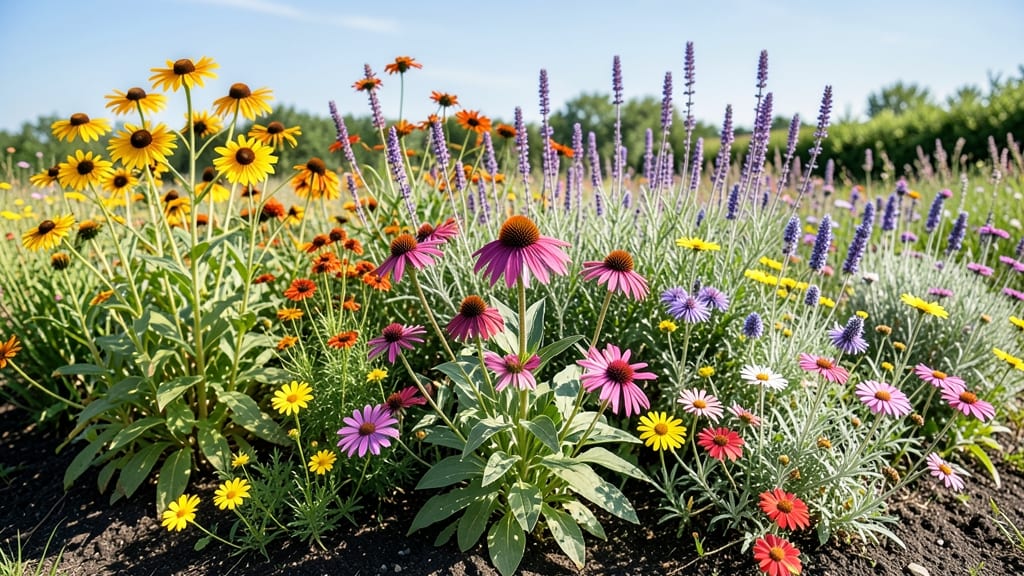
My American Seed Perennial Mix transforms any yard into a low-maintenance, four-season garden—no fuss, just blooms. 🌸 Last spring, I planted this mix in a shady corner that had been bare dirt for years, and by July, it was bursting with color without a single deadhead in sight.
The secret lies in the blend itself: tough, drought-tolerant perennials that thrive in most climates once established. You'll need well-draining soil, a sunny spot (or partial shade for some varieties), and about 10-15 pounds per 100 square feet—that's it.
Water deeply once a week after planting, then let nature take over. By the second year, you'll have a self-sustaining garden that blooms from spring through fall, with some varieties even putting on winter interest.
The mix includes coneflowers, black-eyed Susans, and Russian sage—plants that attract pollinators and resist deer and rabbits. Works in borders, wildflower meadows, or even as ground cover. Here’s how to make it thrive without the work.
📚 In This Guide
- What you need
- Instructions
- Tips and common mistakes
- Wrapping up and next steps
What you need
- ● American Seed Perennial Mix: 5–10 lbs (adjust based on garden size; ~1 lb covers ~10 sq ft). Choose a blend suited to your climate (e.g., Sunny Mix for full sun, Shade Mix for low-light areas).
- ● Garden soil or compost: 2–3 inches of high-quality topsoil or compost (enriches soil for better root growth).
- ● Garden hose or watering can: With a fine spray nozzle for gentle watering.
- ○ Gloves & knee pads: (Optional but highly recommended for comfort!)
- ● Garden rake: For leveling soil and breaking up clumps.
- ● Hand trowel or broadcast spreader: For even seed distribution (spreader saves time for larger areas!).
- ○ Garden twine & stakes (optional): To mark planting rows if needed.
- ● Mulch (straw or shredded leaves): 1–2 inches to retain moisture and suppress weeds.
- ● Sunlight assessment: Identify your garden’s light conditions (full sun, partial shade, or full shade).
- ○ Soil test (optional but helpful): Check pH (ideal: 6.0–7.0) and amend if needed (e.g., lime for acidic soil).
- ● Weather check: Plant when soil is not frozen (spring or early fall is ideal in most regions).
Step-by-step guide for planting american seed perennial mix
Here's how to transform your garden into a vibrant, low-maintenance perennial display with minimal effort.
🌱 Step 1: Prepare the Planting Site
Choose a location with at least 6 hours of sunlight daily—most perennials in this mix thrive in full sun but tolerate partial shade. Clear the area of weeds and debris, then loosen the soil to a depth of 12 inches using a garden fork or tiller. This ensures roots can establish freely without compacted layers.
Perennials hate soggy roots, so if your soil drains poorly, amend it with 2-3 inches of compost mixed into the top 6 inches of soil. You'll know you've done it right when the soil crumbles easily between your fingers and holds moisture without forming clumps.
🌿 Step 2: Spread and Rake the Seed Mix
Scatter the American Seed Perennial Mix evenly over the prepared area, aiming for a coverage rate of about 1/4 pound per 100 square feet. For a 4-foot-by-4-foot plot, you'll need roughly 1/16 pound—about the weight of a standard deck of cards. Lightly rake the seeds to ensure they make gentle contact with the soil without burying them too deep.
Most perennial seeds need 1/4 to 1/2 inch of soil coverage for proper germination. If your seeds are tiny (like many wildflowers), just press them into the surface with the back of a rake. This keeps them snug enough to sprout without suffocating.
💧 Step 3: Water Gently and Maintain Moisture
Water the area immediately after planting with a fine mist or gentle spray until the soil feels evenly moist to a depth of 2 inches. Avoid heavy watering, which can wash seeds away or bury them too deeply. A light morning watering keeps seeds hydrated without encouraging fungal growth.
For the next 4-6 weeks, keep the soil consistently moist but never soggy. You'll know it's right when the top inch of soil feels damp to the touch but doesn't stick to your fingers. Mulch lightly with 1 inch of straw or shredded leaves to retain moisture and suppress weeds—just don't let it touch the seeds directly.
☀️ Step 4: Monitor and Thin Seedlings
Once seedlings emerge (usually within 2-4 weeks), wait until they develop 2-3 true leaves before thinning. Use scissors to snip unwanted seedlings at soil level rather than pulling them, which can disturb roots of nearby plants. Aim to space perennials 12-18 inches apart depending on mature size.
Thinning might seem harsh, but it prevents overcrowding and ensures each plant gets enough sunlight and nutrients. Strong seedlings will have deep green leaves and sturdy stems—anything leggy or pale needs immediate removal.
⏰ Step 5: Transition to Low-Maintenance Care
After the first growing season, your perennials will establish strong root systems. Reduce watering to once weekly during dry spells, focusing on deep soakings rather than frequent light waterings. This encourages deep root growth and drought tolerance.
In early spring and fall, apply a 2-inch layer of mulch around plants to protect roots from temperature swings. Deadhead spent blooms in late summer to promote a second flush of flowers and prevent self-seeding if that's not desired. With proper care, these perennials will return year after year with minimal effort.
Tips & tricks for perfect perennial plantings
These pro strategies will help you avoid common pitfalls and maximize the beauty of your perennial garden from day one.
Site Selection Wisdom: The 6 hours of sunlight requirement is non-negotiable for most perennials in this mix, but here's the thing: morning sun with afternoon shade works better than harsh afternoon heat in hot climates. I've seen gardens fail spectacularly when planted in west-facing locations where late-day sun scorches tender seedlings. Test your spot by observing sunlight patterns for a week before planting.
Soil Prep Secret: When loosening soil to that 12-inch depth, don't just stab with your fork—work it like you're fluffing a feather pillow. Break up any compacted layers gently to avoid damaging tiny seed roots. The goal is to create a loose, crumbly texture where roots can spread easily. If your soil feels like packing dirt after loosening, you definitely need that 2-3 inches of compost amendment.
Seed Coverage Technique: For those tiny wildflower seeds that need just 1/4 to 1/2 inch coverage, here's my trick: use a clean, dry paint roller (the kind used for walls) to gently press seeds into the soil. This ensures even coverage without burying them too deeply. The roller creates just the right pressure while being much gentler than raking. I've saved countless seeds from being buried too deep this way.
Watering Strategy: That 2-inch moist depth after planting is crucial, but timing matters just as much. Water in the early morning when temperatures are coolest—this reduces evaporation and gives seeds a strong start. I set up a gentle drip irrigation system for my perennial beds during the critical 4-6 week germination period, and it made all the difference in seedling survival rates.
Pro Tips for American Seed Perennial Mix
- These pro strategies will help you avoid common pitfalls and maximize the beauty of your perennial garden from day one.
- Site Selection Wisdom: The 6 hours of sunlight requirement is non-negotiable for most perennials in this mix, but here's the thing: morning sun with afternoon shade works better than harsh afternoon heat in hot climates.
- Soil Prep Secret: When loosening soil to that 12-inch depth, don't just stab with your fork—work it like you're fluffing a feather pillow.
Frequently asked questions
Got questions about transforming your yard with an American Seed Perennial Mix? You’re not alone! Here are answers to the most common queries to help you grow confidently.
When is the best time to plant this mix?
The ideal time to plant is in early spring (after the last frost) or early fall (6-8 weeks before the first frost). This gives roots time to establish before extreme weather. For warm climates, late summer planting works too—just water deeply afterward!
How often should I water newly planted perennials?
Keep soil consistently moist (not soggy) for the first 2-3 weeks, watering 1-2 times daily if no rain falls. After establishment, reduce to 1 inch per week, focusing on deep watering. Drought-tolerant varieties (like coneflowers) need less once mature.
Can I mix this with annuals or grasses?
Pair it with annuals (like sunflowers) for seasonal color or native grasses (e.g., switchgrass) for texture. Just ensure your mix gets 6+ hours of sunlight—some annuals thrive in partial shade while perennials may struggle. Space grasses 12–18 inches apart for a layered look.
Why aren’t my perennials blooming the first year?
Don’t worry—most perennials focus on root growth in Year 1! Blooms often appear in Year 2 or 3. Ensure proper sunlight, soil (amend with compost if clay-heavy), and deadhead spent flowers in late summer to encourage reblooming. Over-fertilizing can also delay blooms.
How do I prevent pests like deer or rabbits?
Deer and rabbits love tender new growth! Fence young plants (4–5 feet tall) or use repellents (like hot pepper spray). Choose deer-resistant varieties (e.g., black-eyed Susans, Russian sage) in your mix. For rabbits, plant near thorny shrubs (e.g., barberry) as a natural barrier.
Can I divide and share my perennials later?
Yes! Once established (usually 3–5 years old), dig up clumps in early spring or fall, divide with a spade, and replant sections. This rejuvenates plants and lets you share with friends. Just water thoroughly after dividing to reduce shock.
Wrapping up and next steps
Transforming your garden into a vibrant, low-maintenance paradise is easier than ever with an American Seed Perennial Mix! These hardy, self-sustaining plants deliver year-round blooms with minimal effort—perfect for busy gardeners or beginners eager to enjoy nature’s beauty without the fuss.
Whether you're revamping a patch of soil or adding pops of color to your landscape, this mix is your ticket to effortless elegance.
Ready to take the next step? Grab your seeds, pick a sunny spot, and let these perennials work their magic—your future self (and pollinators!) will thank you. 🌸🌿