
Lawn
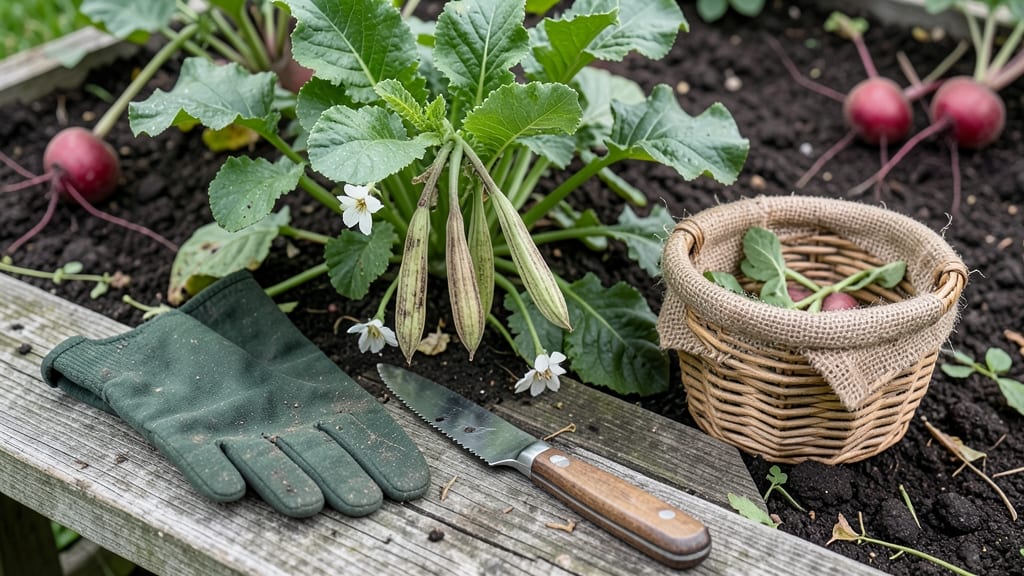
Edible radish seed pods are the unsung heroes of the garden—packed with peppery crunch and zero waste. 🌱 I first discovered them while growing Daikon radishes, and now I save every pod to enjoy fresh or dried. The secret lies in choosing the right varieties and timing harvests just right.
Start with quick-maturing radishes like Daikon or Chinese radishes, which produce sturdy pods perfect for eating. Plant in well-draining soil with 1-inch spacing and ½-inch depth, keeping rows 12 inches apart.
They thrive in cool weather, so aim for early spring or late summer plantings—60-70 days to harvest.
Once flowers appear, snip pods before they dry completely for tender, crisp bites. Let a few mature fully to save seeds for next season. The flavor? A mix of radish and mustard greens, with a satisfying crunch that disappears as you chew—perfect for snacks or salads.
For maximum yield, thin seedlings early and mulch to retain moisture. Watch for pests like flea beetles, and handpick any that appear. With just a little care, you’ll turn your lawn edibles into a zero-waste, flavor-packed harvest—no store-bought snacks needed.
📚 In This Guide
- What you need
- Instructions
- Tips and common mistakes
- Wrapping up and next steps
What you need
- ● Radish seeds: Choose a variety like Daikon or Cherry Belle (both produce edible pods). Buy 3–5 seeds per pod for a small harvest or 10+ seeds for a bountiful yield.
- ● Potting soil or garden bed: Well-draining, nutrient-rich soil (pH 6.0–7.0). Use 1–2 gallons per plant if container-grown.
- ● Organic compost: Mix 1 cup per 5 gallons of soil to boost fertility.
- ● Watering can or hose: With a fine mist nozzle for gentle hydration.
- ○ Garden gloves (optional but recommended for soil handling).
- ● Small hand trowel (for transplanting seedlings).
- ● Spray bottle (for misting seeds during germination).
- ● Pruning shears (to harvest pods cleanly).
- ● Sunlight: 4–6 hours of direct sun daily (partial shade works for milder climates).
- ● Temperature: Ideal germination range: 60–70°F (15–21°C). Avoid frost!
- ● Patience: Seeds sprout in 5–10 days; pods mature in 30–60 days.
- ● Bio-degradable seed starter pellets for easier germination.
- ● Row covers to protect seedlings from pests.
- ● Compost tea for a nutrient boost mid-growth.
- ● Food processor or mortar & pestle to crush pods into seasoning!
How to grow and harvest edible radish seed pods
Here’s how I transform radish plants into zero-waste, bold-flavored pods—no special equipment needed.
🌱 Step 1: Plant Radishes for Seed Production
Start with fast-maturing radish varieties like 'Cherry Belle' or 'French Breakfast,' which bolt quickly when days grow longer. Sow seeds ¼ inch deep in well-draining soil enriched with compost—radishes thrive in full sun to partial shade and prefer 60-70°F soil temperatures. Space seeds 1 inch apart in rows 12 inches apart to allow airflow and prevent disease.
Water gently after planting to settle the soil, then maintain even moisture—never let the top inch dry out. Once seedlings reach 2 inches tall, thin to 3 inches apart to reduce competition. This spacing ensures strong stems capable of supporting seed pods later.
☀️ Step 2: Let Plants Bolt and Flower
Allow radishes to mature past their edible stage until they bolt—tall stems with white flowers appear 3-4 weeks after thinning. These flowers are the precursors to your seed pods. During this phase, reduce watering slightly to once every 3-4 days unless rainfall occurs, as overwatering can weaken stems.
Watch for yellowing lower leaves—this signals the plant is redirecting energy upward. When 50% of flowers open, stop harvesting radishes entirely. The remaining leaves will yellow and fall, but the stems will thicken, supporting heavier seed pods.
✂️ Step 3: Harvest Seed Pods at Peak Maturity
Seed pods form 4-6 weeks after flowering, starting as small green bulges. Harvest when pods turn brown and papery, but before they shatter open—this is your 2-3 week window. Use clean pruning shears to snip stems ½ inch above the pod to avoid damaging the plant.
Spread harvested pods on a tray lined with newspaper in a dry, well-ventilated area. Let them dry for 1-2 weeks until completely crisp. Store in a paper bag in a cool, dark place for up to 6 months—they’ll retain their peppery crunch and zero-waste potential.
🌿 Step 4: Prepare Pods for Culinary Use
Once fully dried, remove pods from stems and lightly toast in a 350°F oven for 5-7 minutes to enhance flavor. Crush pods between your fingers or pulse in a mortar and pestle for a bold, spicy seasoning—ideal for salads, soups, or as a peppery salt substitute.
For a zero-waste twist, compost leftover stems and leaves after harvest. Their nutrients return to the soil, closing the cycle. If you notice pods cracking open prematurely, harvest them immediately and dry indoors to salvage seeds.
Tips & tricks for perfect edible radish seed pods
Transforming radish plants into flavorful seed pods is all about patience and precision—here's how to maximize your harvest without the guesswork.
Variety Selection: Stick with fast-maturing varieties like 'Cherry Belle' or 'French Breakfast' that bolt quickly. These varieties develop strong stems capable of supporting heavy seed pods. I've found that smaller varieties often produce more concentrated flavor in the pods, making them ideal for culinary use.
Timing Secret: The 3-4 week window after thinning is critical for bolting. Watch for those first white flowers to appear—this is your cue to start reducing watering. Too much moisture at this stage can weaken stems and prevent proper pod formation. I've learned this the hard way after dealing with floppy plants that couldn't support the developing pods.
Harvesting Technique: When pods turn brown and papery, act quickly! This 2-3 week harvest window is tight, especially in humid conditions where pods can shatter open. Use clean pruning shears to snip stems ½ inch above the pod—this prevents damage to the plant and makes drying more efficient. I keep a small basket nearby to collect pods as I find them throughout the garden.
Drying Strategy: Spread pods on newspaper-lined trays in a well-ventilated area for that 1-2 week drying period. The key is consistent airflow—don't stack pods or they'll trap moisture. I've had success using a small fan on low setting to gently circulate air without disturbing the pods. Once completely crisp, store them in paper bags to maintain that bold peppery crunch for up to 6 months.
Pro Tips for Edible Radish Seed Pods
- Transforming radish plants into flavorful seed pods is all about patience and precision—here's how to maximize your harvest without the guesswork.
- Variety Selection: Stick with fast-maturing varieties like 'Cherry Belle' or 'French Breakfast' that bolt quickly.
- Timing Secret: The 3-4 week window after thinning is critical for bolting.
Frequently asked questions
Got questions about growing and using edible radish seed pods? You’re not alone! Here are some of the most common queries—and their answers—to help you navigate this zero-waste, flavor-packed adventure.
Can I eat radish seed pods raw, or do I need to cook them?
You can enjoy them both ways! Raw pods offer a crisp, peppery crunch (great in salads or as a snack), while lightly sautéing or pickling them mellows the heat and enhances their nutty flavor. For a quick fix, try tossing them into stir-fries or roasting them with olive oil for a smoky twist. Pro tip: Younger pods are milder—harvest them when they’re still tender!
How long does it take for radish seed pods to mature and be edible?
Radish seed pods typically mature in 60–80 days after planting, depending on the variety. Keep an eye out for pods that are plump but not woody—they should snap easily when bent. If left too long, they’ll toughen up or split open, releasing seeds. For a continuous harvest, plant successive batches every 2–3 weeks.
What if my radish pods taste bitter or too spicy?
Bitterness or heat usually means the pods are overmature. Harvest earlier for milder flavor! If the spice is overwhelming, try soaking them in saltwater for 10 minutes to reduce heat. Alternatively, pair them with sweet or creamy ingredients (like honey, cheese, or avocado) to balance the peppery kick. Variety matters: Some radishes (like Daikon) are milder than others.
Are radish seed pods a good substitute for capers or mustard seeds?
They’re a fantastic zero-waste alternative with a similar tangy, peppery punch. Use them whole in salads, chopped in pasta dishes, or pickled like capers. For a mustard-seed substitute, grind dried pods into a powder for marinades or dressings. Bonus: They’re packed with nutrients like vitamin C and fiber—way more than store-bought seeds!
What should I do if my radish plants bolt (go to seed) too early?
Bolting happens when radishes sense stress (heat, drought, or age). To prevent it, plant in cool weather (spring/fall) and keep soil consistently moist. If it’s too late, harvest the pods anyway—they’ll still be edible! For next time, choose bolt-resistant varieties like ‘French Breakfast’ or ‘Cherry Belle.’ Quick fix: Shade cloth can delay bolting in hot climates.
Still curious? Drop your questions in the comments—we’re happy to help you turn your lawn into a flavor factory!
Wrapping up and next steps
Discovering the versatility of edible radish seed pods turns your lawn into a flavorful, zero-waste garden! These peppery, crunchy pods are packed with nutrients and easy to grow—perfect for eco-conscious foodies.
Whether you’re snacking straight from the plant or adding them to salads, they’re a fun, sustainable way to elevate your meals.
Ready to crunch into the future? Start small—plant a few pods this season and watch your garden (and plate!) transform. Happy growing—and happy munching! 🌱🌶️