
Vegetables
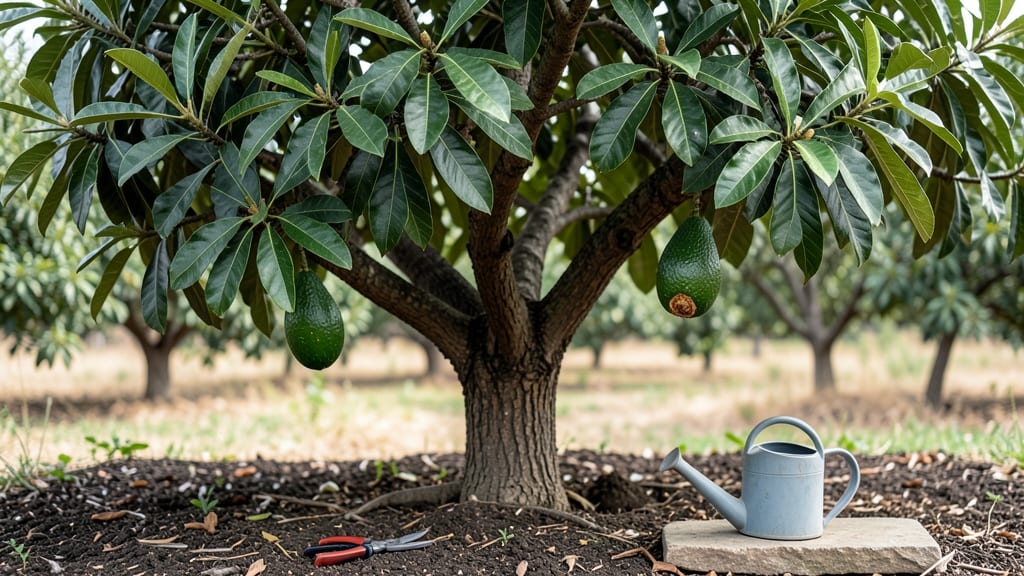
Avocados do have seeds—they're called pits because the entire stone is a single large seed surrounded by the fleshy fruit. This pit contains the plant embryo and can sprout into a new tree under the right conditions, though it's not edible like the fruit itself.
Botanists classify avocado pits as seeds because they contain all the essential components for growing a new plant: the embryo, stored food (endosperm), and a protective outer layer. 🌱 Unlike fruits with multiple small seeds—like apples or tomatoes—avocados package their reproductive material into one massive stone.
This structure makes them more similar to mangoes or olives than to berries, even though we eat the fruit around it.
The confusion comes from how we use the word "seed" in everyday language. In gardening terms, "seeds" can refer to any reproductive unit, whether it's a tiny sunflower seed or a giant coconut.
But scientifically, an avocado pit is absolutely a seed—just an unusually large one that happens to be surrounded by delicious flesh.
💡 In This Article
- Why Avocado Pits Are Botanically Classified as Seeds
- How to Grow an Avocado Tree from a Pit at Home
Why avocado pits are botanically classified as seeds
Botanically speaking, an avocado pit is absolutely a seed—just one that's unusually large and surrounded by edible flesh. What makes it a seed is its internal structure: it contains a fully formed embryo (the young plant), protected by a hard outer shell.
This embryo is the plant's future, capable of sprouting into a new tree given the right conditions. The pit even includes endosperm, a nutrient-rich tissue that provides energy for the embryo during germination, much like the white part of a sunflower seed.
The confusion arises because we typically associate "seeds" with small, dry units like those in watermelons or sunflowers. However, botanists classify seeds based on their function, not their size. An avocado pit is essentially a single, massive seed where the fruit's flesh has evolved to attract animals for dispersal.
Compare this to mangoes or olives, which also have large pits containing embryos—these are all technically seeds, just packaged differently. The key difference is that avocados have developed a thick, fleshy outer layer that we enjoy eating while protecting the seed inside.
Here's what's actually happening inside that pit: the embryo sits at one end, while the other end contains the radicle (future root) and plumule (future shoot). When you crack open a pit, you can often see these distinct sections if you look closely.
The hard outer shell serves as protection against predators and environmental damage, much like the shells of acorns or walnuts. This protective structure is why avocado pits are so durable—they're designed to survive until conditions are right for germination.
What most people don't realize is that avocado seeds are actually classified as "drupes," a type of fruit where the outer flesh surrounds a single large seed. Other examples include peaches and cherries, where the pit contains the seed. The scientific name for avocado—Persea americana—reflects this botanical classification.
The word "americana" refers to its American origin, while "Persea" comes from the Greek word for destruction, likely referencing the fruit's ability to "destroy" hunger with its rich, creamy texture.
The size of the avocado seed is particularly interesting. A typical avocado pit weighs between 1.5 to 3 ounces (42-85 grams) and can be up to 2 inches (5 cm) long
That's significantly larger than most seeds we encounter daily, but it follows the same fundamental reproductive strategy: the seed contains everything needed to grow a new plant. The fleshy part we eat is essentially a bonus—an evolutionary adaptation to help disperse the seed through animal digestion. Consider these key botanical features that classify avocado pits as seeds: This botanical classification explains why avocado pits are so different from the tiny seeds we find in other fruits. While most fruits contain multiple small seeds (like strawberries with hundreds of achenes), avocados package their reproductive material into one massive, single seed—making them more similar to fruits like cherries or plums than to berries. 🌱