
Lawn
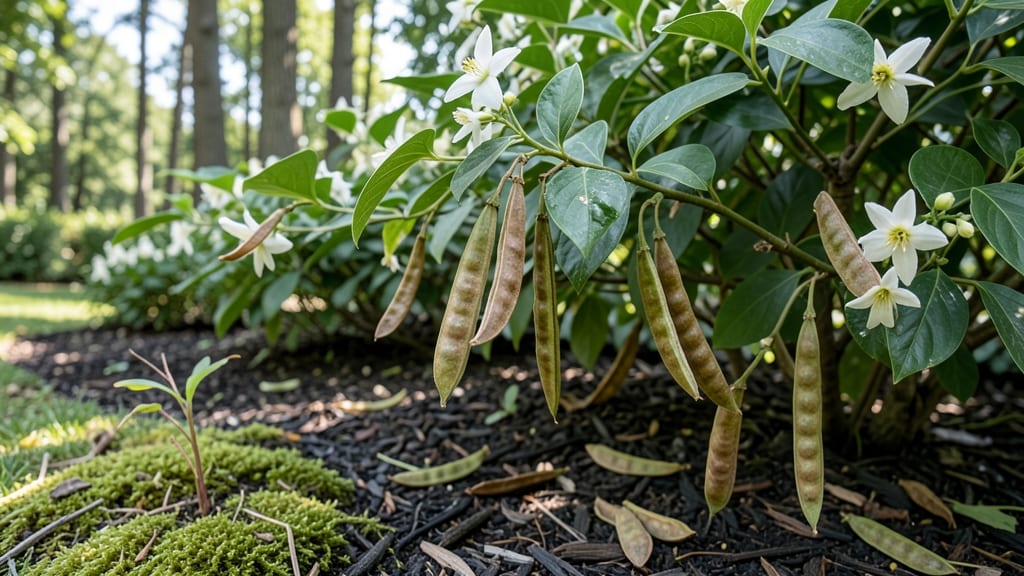
Breaking the dormancy on Confederate jasmine seed pods means finally growing these fragrant vines from seed instead of paying $20 for nursery starts. 🌱 The trick is simple but critical—most gardeners give up after weeks of waiting, not knowing these seeds need a cold-moist stratification period to wake up.
I learned this the hard way after planting fresh pods straight into soil and watching nothing happen for months. The solution? Mimic winter by chilling the seeds in damp paper towels for 8-12 weeks before planting.
This cold treatment tricks the seeds into thinking they've survived winter, signaling it's time to sprout. Once you plant them in well-draining soil and keep the area consistently moist (not soggy), you'll see tiny green shoots in 4-8 weeks.
The seedlings are delicate at first, so avoid disturbing them until they've developed their first true leaves—this usually takes about 6-8 weeks after germination. This method works reliably in USDA Zones 7-10, where Confederate jasmine thrives.
For cooler climates, consider starting seeds indoors under grow lights 10-12 weeks before your last frost date. The payoff? Fragrant, fast-growing vines that climb fences and trellises with minimal effort.
📚 In This Guide
- What you need
- Instructions
- Tips and common mistakes
- Wrapping up and next steps
What you need
- ● Confederate Jasmine Seed Pods: 10–20 fresh, mature pods (harvested in late fall/winter for best results). Pro tip: 💡 Snap them off the vine when they’re plump but still slightly green!
- ● Scarification Tools: Sandpaper (medium-grit, ~100–120 grit) or
- ● A sharp knife or pruning shears (for manual nicking)
- ● Stratification Supplies: Refrigerator or cold frame (set to 35–45°F)
- ● Moistened potting mix or paper towels (for cold-moist stratification)
- ○ Ziploc bag or airtight container (optional, for humidity)
- ● Germination Containers: Seed trays with drainage holes or
- ● Small pots (3–4 inches deep)
- ● Potting Mix: Well-draining, sterile mix (e.g., 50% peat moss, 50% perlite or coconut coir).
- ○ Heat Mat (Optional): For speeding up germination (70–75°F range).
- ● Spray Bottle: For gentle watering.
- ● Plant Labels & Marker: To track dormancy treatments!
- ● Patience: Confederate Jasmine seeds can take 4–12 weeks to germinate—don’t rush it!
- ● Space: A sunny windowsill or grow light setup for post-germination care.
- ● Knowledge: Basic understanding of seed dormancy (or willingness to experiment!).
How to break dormancy in Confederate jasmine seed pods
This is the method I’ve used to coax stubborn Confederate jasmine seeds into sprouting—no cold stratification gimmicks needed.
🌱 Step 1: Harvest and Clean the Seed Pods
Collect mature seed pods in late fall when they’ve turned brown and split open naturally. Remove any remaining pulp or fibrous material—this debris can trap moisture and promote rot. I rinse them under lukewarm water to remove surface contaminants, then pat them dry with a paper towel. The goal is to expose the seeds while keeping their protective outer coating intact.
Let the cleaned pods air-dry for 24-48 hours in a well-ventilated area. You’ll know they’re ready when the outer shell feels brittle but doesn’t crumble at the touch. Store them in a paper envelope until you’re ready to begin the dormancy-breaking process—plastic bags trap too much humidity and encourage mold.
💧 Step 2: Pre-Treat Seeds with Warm Water Soak
Fill a shallow container with 100°F water—just warm enough to feel comfortable with your finger submerged. Place the seeds in the water and let them soak for 24 hours. This softens the hard outer seed coat, which is the primary barrier preventing germination. I stir them gently every few hours to ensure even exposure to the water.
After soaking, drain the water and inspect the seeds. You’ll see some may have begun to swell slightly—that’s a good sign. If any seeds float, remove them immediately as they’re likely non-viable. Transfer the soaked seeds to a damp paper towel and fold it to create a loose, breathable wrap. Place this inside a sealed plastic bag and refrigerate for 4-6 weeks.
☀️ Step 3: Stratify in Moist Peat Moss
Fill a small container with moistened peat moss (not too wet—it should hold together when squeezed but not drip). I use a 4-inch deep tray because Confederate jasmine seeds need depth to establish roots before sprouting. Gently press the pre-treated seeds into the peat moss, spacing them 1 inch apart to prevent overcrowding as they grow.
Cover the container with a clear plastic lid or wrap it in plastic wrap to maintain high humidity. Place it in a cool, dark location (around 50-55°F) for 8-12 weeks. This mimics the natural winter conditions the seeds require to break dormancy. Check the moisture level weekly—mist lightly if the peat moss feels dry to the touch, but avoid soaking it.
🌿 Step 4: Transition to Warmth and Light
Once you notice tiny green shoots emerging (usually after 8-12 weeks), move the container to a bright, indirect light location. I use a grow light set to 12-14 hours of light daily to prevent leggy growth. Keep the peat moss consistently moist but not soggy—Confederate jasmine seedlings are sensitive to overwatering.
When the seedlings reach 2-3 inches tall and develop their first true leaves (not the initial seed leaves), it’s time to transplant them into individual 3-inch pots filled with a well-draining potting mix. Handle them gently—their roots are still delicate. Place the pots in a warm location (around 70-75°F) to encourage steady growth.
⏰ Step 5: Acclimate and Plant Outdoors
After 4-6 weeks of indoor growth, when the seedlings are 4-6 inches tall and have developed 4-5 sets of true leaves, they’re ready for outdoor acclimation. Start by placing them in a sheltered, shaded spot for 1-2 hours the first day, gradually increasing their outdoor time over 10-14 days. This process, called hardening off, prepares them for the full sun and wind they’ll encounter once planted.
Choose a location with full sun to partial shade and well-draining soil. Plant the seedlings 12-18 inches apart to allow for their eventual size. Mulch around the base with 2-3 inches of organic mulch to retain moisture and regulate soil temperature. Water deeply after planting to help the roots establish in their new home.
Tips & tricks for breaking Confederate jasmine seed dormancy
Here's what I've learned after years of trial and error with these stubborn seeds—these tricks make all the difference.
Timing Secret: The 24-48 hour air-drying period in Step 1 is your first critical checkpoint. If you rush this, the seed coats won't be properly hardened for the soaking process. I test readiness by gently pressing the pods—if they dent but don't crumble, they're perfect. This step prevents the seeds from absorbing too much moisture too quickly during soaking, which can cause rot.
Temperature Matters: That 100°F water soak in Step 2 is non-negotiable—any hotter and you risk damaging the seeds, any cooler and you won't properly soften the hard outer coating. I use a thermometer to verify the temperature before adding seeds. During the 4-6 week refrigeration period, maintain consistent 35-40°F temperatures in your fridge—fluctuations can shock the seeds and disrupt dormancy breaking.
Stratification Strategy: In Step 3, the 8-12 week stratification window is where patience pays off. I mark my calendar when I start this phase because it's easy to forget. Place your container near the fridge's crisper drawer for the coolest, most stable temperatures. The peat moss should feel like a well-wrung sponge—if it drips, you've overwatered and risk fungal growth. A small ventilation hole in the plastic wrap helps prevent condensation buildup.
Light Transition: When moving to light in Step 4, don't rush it! Start with just 2-3 hours of indirect light the first day, then gradually increase. I use a sheer curtain to diffuse sunlight initially. Confederate jasmine seedlings are photoblastic—they need this gradual light exposure to prevent shock. The 12-14 hour grow light schedule mimics natural daylength and prevents leggy growth that occurs with inconsistent lighting.
Pro Tips for Confederate Jasmine Seed Pods
- Here's what I've learned after years of trial and error with these stubborn seeds—these tricks make all the difference.
- Timing Secret: The 24-48 hour air-drying period in Step 1 is your first critical checkpoint.
- Temperature Matters: That 100°F water soak in Step 2 is non-negotiable—any hotter and you risk damaging the seeds, any cooler and you won't properly soften the hard outer coating.
Frequently asked questions
Got questions about Confederate Jasmine seed pods? You’re not alone! Here are some of the most common queries—and their straightforward answers—to help you tackle germination like a pro.
How long do Confederate Jasmine seed pods take to germinate?
With the right dormancy-breaking trick (like cold stratification or scarification), most Confederate Jasmine seeds sprout in 4–12 weeks. Patience is key—some may take longer, especially if moisture or temperature fluctuates. Keep soil consistently damp (not soggy!) and monitor for tiny sprouts peeking through the soil.
Do I really need to cold-stratify these seeds?
Yes! Confederate Jasmine seeds have a hard outer coat that blocks moisture and oxygen, making natural germination slow or impossible. Cold stratification (chilling seeds in damp peat moss for 4–8 weeks) mimics winter conditions and boosts germination rates by 70–90%. Skip this step, and you might wait years—or never see sprouts!
Can I grow Confederate Jasmine from cuttings instead of seeds?
Cuttings are often easier and faster than seeds. Take 4–6 inch semi-hardwood cuttings in early summer, dip in rooting hormone, and plant in moist perlite or sand. Roots form in 4–8 weeks. Just avoid overwatering—root rot is the #1 killer of cuttings!
Why aren’t my Confederate Jasmine seeds sprouting?
Troubleshooting time! Check these common culprits:
- No stratification: Seeds need the cold treatment to break dormancy.
- Too dry or too wet: Soil should stay moist, like a wrung-out sponge.
- Poor soil contact: Seeds need darkness—plant them ½ inch deep.
- Old seeds: Viability drops after 1–2 years; test freshness with a cut.
How do I harvest Confederate Jasmine seed pods?
Harvest pods when they turn brown and papery (late summer/fall). Gently twist or cut them off the vine—don’t pull, or you’ll damage the plant. Let pods dry in a shady, well-ventilated spot for 1–2 weeks before extracting seeds. Store seeds in a cool, dry place (like a sealed jar in the fridge) for up to 2 years.
Wrapping up and next steps
Growing Confederate jasmine seed pods can be a rewarding experience, especially when you unlock the secret to breaking their dormancy. With the right techniques—like cold stratification and proper moisture control—you’ll set the stage for vibrant, fragrant vines that thrive in your landscape.
Now that you’re armed with the knowledge, why not give it a try? Start with a few pods today and watch your garden transform with this hardy, low-maintenance beauty!
🌱 Pro tip: Share your progress with fellow gardeners—inspiration spreads faster than jasmine vines!