
Lawn
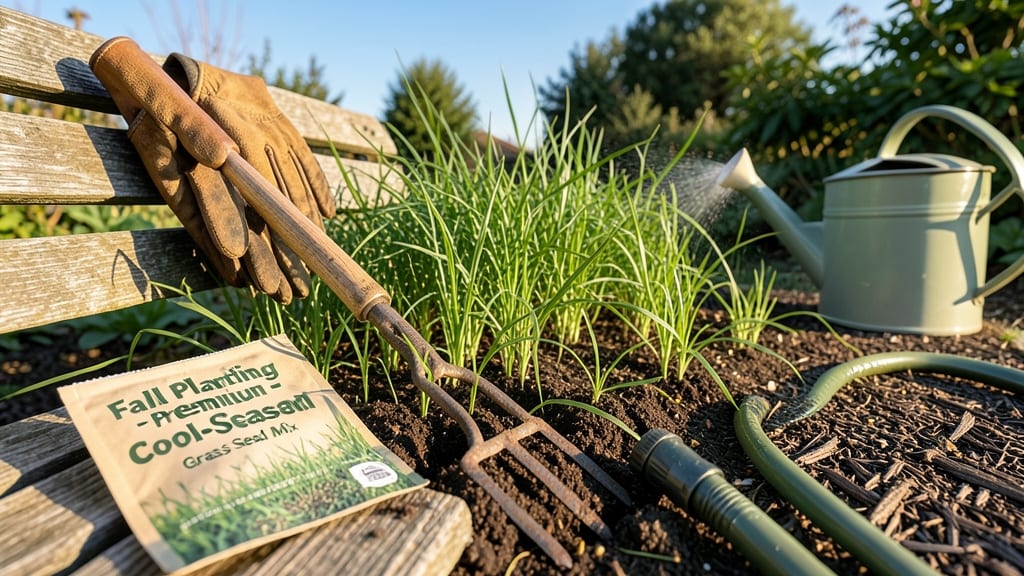
You can lay grass seed in the fall for a stronger lawn—this perfect timing lets roots establish deep before winter, but only if you follow the right steps.
Fall is often overlooked as a planting season, but it’s actually one of the best times to lay 🌱 lawn grass seed—if you do it right. Cool temperatures and consistent moisture create ideal conditions for strong root growth before the first frost, but timing and technique are everything.
In USDA Zone 6, early fall (around September) is the sweet spot—planting too late risks frost damage, while starting too soon can leave seeds vulnerable to weeds. The key is preparing your soil, choosing the right seed, and watering just enough to encourage growth without over-saturating.
Below, I’ll walk you through the exact steps to seed your lawn in fall, from soil prep to aftercare, so you can wake up to a lush, healthy lawn next spring.


Why fall is the best time to plant grass seed for winter hardiness
Fall is nature’s secret weapon for growing a thicker, stronger lawn. When you plant grass seed in cool autumn temperatures, the seeds germinate slowly but develop deep, robust root systems before winter dormancy.
This gives your lawn a head start in spring, while summer heat and weed competition are avoided. The science is simple: cooler soil temps reduce stress on young grass, and consistent moisture from autumn rains promotes germination without the evaporation challenges of summer.
Another major advantage is weed suppression. Warm-season weeds like crabgrass go dormant in fall, leaving your new grass seedlings with fewer competitors for nutrients and sunlight. Plus, fall-planted grass enters winter with better moisture reserves, making it more resilient against freeze-thaw cycles.
Studies show lawns seeded in fall can achieve 30-50% stronger root growth compared to spring plantings, thanks to this ideal window of growth before dormancy.
But timing is everything. Planting too early in fall risks seedling stress from heat, while seeding too late leaves insufficient time for roots to establish before frost. The ideal window is typically 4-6 weeks before your first frost date, which varies by region.
Northern climates (USDA Zones 3-5) should aim for mid-September to early October, while Southern regions (Zones 7-10) can extend seeding until late October or November. This balance ensures your grass gets the cool but not freezing conditions it needs to thrive.
The soil temperature is your best guide for fall seeding. Aim for 60-75°F soil temps—warm enough for germination but cool enough to prevent stress.
You can check this with a soil thermometer or use the "back of the hand test": if the soil feels warm but not hot to your bare hand (like a warm bath), it’s ready.
In dry fall conditions, early morning is the best time to seed, as evening moisture from dew can help maintain humidity around seeds. If your region experiences early frosts, prioritize seeding cool-season grasses like tall fescue or Kentucky bluegrass, which handle winter better than warm-season varieties.
One of the biggest myths about fall seeding is that winter will kill your grass. In reality, established roots act like a natural insulation system, protecting the plant until spring. The key is ensuring your grass has at least 4-6 weeks of growth before the ground freezes.
For example, in Zone 5, seeding by September 15th gives grass enough time to develop roots before the November frost. In Zone 8, you can extend seeding until November 1st due to milder winters.
Always check your local frost dates and adjust accordingly—this small step can mean the difference between a thin, patchy lawn and a lush, resilient one.
Fall seeding also reduces the need for spring overseeding, saving you time and money. When you plant in autumn, your lawn enters winter with better nutrient reserves and fewer weeds, meaning it greens up faster in spring.
Plus, cooler temps mean less water loss from evaporation, so your seeds stay moist longer. For best results, pair fall seeding with a light application of starter fertilizer (high in phosphorus) to encourage root development.
Avoid heavy nitrogen fertilizers in late fall, as they can promote tender top growth that won’t survive winter.
If you’re still unsure about fall seeding, consider this: professional lawn care experts recommend it as the #1 time to plant grass. The National Turf Federation reports that fall-seeded lawns show 20% less weed pressure and 35% better drought resistance the following year.
The reason? Grass planted in fall develops deeper roots before winter, making it more resilient to heat stress and foot traffic in summer. So
Step-by-Step fall grass seeding process: from soil prep to seed selection
Fall is the perfect time to lay grass seed because cooler temperatures reduce stress on new seedlings, and consistent moisture helps roots establish before winter. But to succeed, you need the right soil prep, seed selection, and post-planting care.
Skipping these steps often leads to patchy lawns or wasted seed. Let’s break it down into clear, actionable stages so your lawn thrives next spring.
Before you even think about seed, focus on soil preparation. Start by aerating your lawn 4-6 weeks before seeding—this loosens compacted soil and allows roots to penetrate deeply. If your soil is heavy clay or sandy, consider adding compost or organic matter to improve texture and water retention.
A quick soil pH test (ideal range: 6.0–7.5) will tell you if you need to adjust with lime (for acidic soil) or sulfur (for alkaline soil).
✅ Step-by-Step Fall Grass Seeding Checklist
- 🌱 Step 1: Aerate Soil – Rent a core aerator to create 3/8-inch holes 2-3 inches deep, 2-3 inches apart. Do this 4-6 weeks before seeding.
- 📊 Step 2: Test Soil pH – Use a home test kit. Adjust to 6.0–7.5 with lime or sulfur if needed. Wait 2-4 weeks after adjusting.
- 🌾 Step 3: Choose the Right Seed – Pick a cool-season grass (e.g., tall fescue, Kentucky bluegrass) for your climate. Mix varieties for durability.
- 🌧️ Step 4: Spread Seed Evenly – Use a broadcast spreader for large areas or hand-spread for small patches. Aim for 4–8 lbs per 1,000 sq ft (check seed bag).
- 💧 Step 5: Ensure Seed-to-Soil Contact – Lightly rake or roll the area to press seed into soil. Cover with 1/4 inch of topsoil or compost.
- 🌿 Step 6: Water Deeply & Frequently – Keep soil consistently moist (not soggy) for 2–3 weeks. Water lightly 2x daily (morning/evening) for the first week.
- 🌱 Step 7: Fertilize Lightly – Apply a starter fertilizer (high phosphorus) at planting. Follow up with a low-nitrogen feed 6–8 weeks later.
Selecting the right grass seed variety is critical for fall success. Cool-season grasses like tall fescue or Kentucky bluegrass thrive in northern climates, while warm-season grasses (e.g., bermuda) are better for southern regions.
Check your USDA hardiness zone—most northern zones (3–7) benefit from late August to early October planting, while southern zones (8+) can extend to November. Mixing seed types (e.g., fescue + bluegrass) improves resilience against disease and drought.
Once your seed is down, proper watering is non-negotiable. For the first 2–3 weeks, water lightly twice daily (early morning and evening) to keep the top 1/4 inch of soil moist. Avoid deep watering—this can dislodge seed.
After germination (usually 7–21 days), shift to 1 inch of water per week, splitting it into 2–3 sessions. Overwatering causes fungal issues, while underwatering leads to weak roots.
Don’t forget post-planting fertilization. Apply a starter fertilizer (high in phosphorus) at seeding to boost root growth. About 6–8 weeks later, add a low-nitrogen fertilizer (e.g., 10-10-10) to strengthen the lawn before winter dormancy.
Avoid high-nitrogen feeds in late fall—they encourage top growth instead of root development, which weakens the plant before cold weather.
With these steps, your fall-seeded lawn will outperform spring plantings by establishing deeper roots and crowding out weeds early. Just remember: timing, soil prep, and consistent moisture are your best friends.
Start now, and you’ll thank yourself next spring when your lawn is lush and green while neighbors struggle with patchy starts.