
Lawn
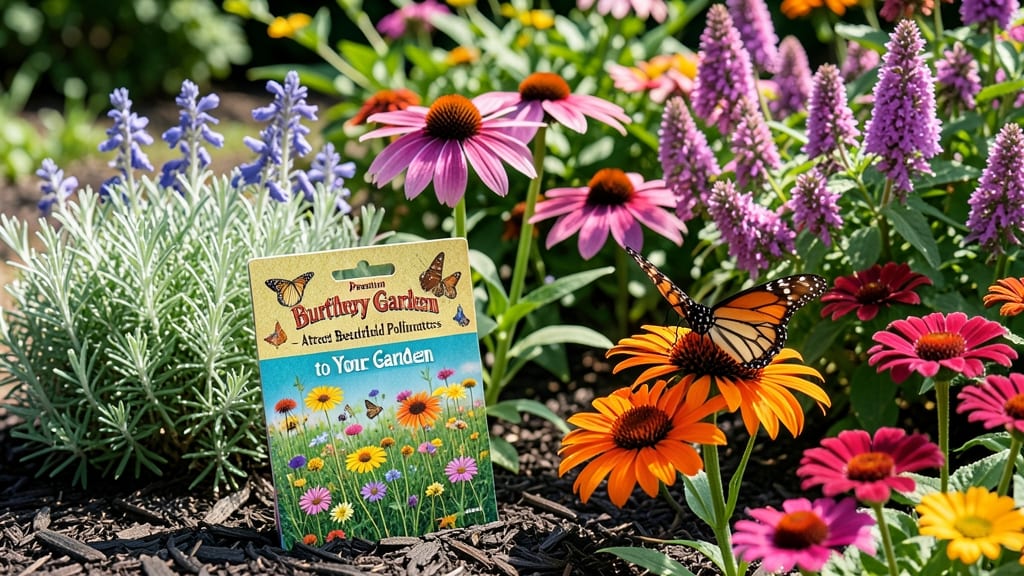
A butterfly garden seed mix transforms your yard into a fluttering paradise with just a few packets. 🌸 I’ve tested dozens of mixes, and the right blend of native wildflowers and host plants turns even a small patch into a pollinator magnet—no fancy landscaping required.
The secret lies in diversity: include nectar plants like milkweed and coneflowers for adults, plus host plants like parsley and dill for caterpillars. A single mix won’t do it—layer blooms from early spring to late fall to keep butterflies visiting all season.
By summer, you’ll see monarchs, swallowtails, and skippers dancing through your garden, their wings dusted with pollen. The best part? These plants thrive with minimal care once established, and you’ll support local ecosystems while enjoying free pest control from hungry caterpillars.
Perfect for sunny borders, container gardens, or even a moon garden. Here’s how to make it work in any space—no green thumb needed!
📚 In This Guide
- What you need
- Instructions
- Tips and common mistakes
- Wrapping up and next steps
What you need
- ● Butterfly garden seed mix: 1–2 lbs (depending on planting area). Look for a mix with native wildflowers like milkweed, coneflowers, and black-eyed Susans.
- ● Well-draining soil: 1–2 cubic yards (for in-ground planting) or potting mix (for containers). Amend with compost for nutrient-rich soil.
- ● Sunlight access: A spot with 6+ hours of direct sunlight daily (most butterflies love sunny patches!).
- ● Watering can or hose: With a gentle spray nozzle for delicate seedlings.
- ● Gloves and knee pads: To protect your hands while planting.
- ● Garden trowel or hand shovel: For digging small holes or loosening soil.
- ● Rake or hoe: To level the soil and remove weeds.
- ● Mulch (straw or shredded leaves): 1–2 inches to retain moisture and suppress weeds.
- ○ Butterfly-friendly rocks or shallow dishes: For water sources (optional but highly encouraged!).
- ● Stakes or labels: To mark seed rows (helpful for larger gardens).
How to plant a thriving butterfly garden in 5 simple steps
Here's how to turn your backyard into a buzzing, fluttering paradise using the right seed mix.
🌱 Step 1: Choose the Perfect Planting Location
Select a sunny spot that receives at least 6-8 hours of direct sunlight daily. Butterflies need warmth to thrive, so avoid shady areas where flowers won't bloom. I always check for sheltered spots nearby—like a fence or shrub—to protect them from strong winds and predators.
Test the soil by digging a small hole and feeling its texture. Sandy soil drains too quickly, while clay holds too much moisture. Aim for loamy soil that crumbles easily when moist. If your soil is heavy, mix in 2-3 inches of compost to improve drainage and fertility before planting.
🪴 Step 2: Prepare the Soil for Pollinator Success
Loosen the top 6 inches of soil with a garden fork or tiller to break up compaction. This helps roots grow deeper and encourages strong, healthy plants. Remove any weeds or debris, as they compete with your butterfly-friendly flowers for nutrients and water.
Spread a 1-inch layer of compost over the prepared area and gently work it into the topsoil. This adds essential nutrients and improves soil structure. For extra insurance, sprinkle a ½ cup of bone meal or slow-release fertilizer over the bed and mix it in lightly—this gives your plants a nutrient boost without burning delicate roots.
🌿 Step 3: Plant the Butterfly Garden Seed Mix
Scatter the seeds evenly, following the spacing guidelines on the packet (usually 6-12 inches apart for most flowering mixes). I like to use a small hand shaker or sprinkle seeds directly from the packet while walking backward to ensure even distribution. Press the seeds lightly into the soil—just enough to cover them with ¼ inch of soil or a fine layer of mulch.
Water gently but thoroughly after planting to settle the seeds and soil. Use a fine mist setting on your hose or watering can to avoid dislodging the seeds. Keep the soil consistently moist (not soggy) until germination, which typically takes 7-21 days, depending on the seed types. Watch for the first tiny sprouts—this is your signal that everything is on track!
☀️ Step 4: Maintain for Continuous Blooms and Visitors
Water deeply 1-2 times per week, depending on rainfall, until plants are established (about 4-6 weeks). Once mature, most butterfly-friendly plants are drought-tolerant, but consistent moisture during dry spells keeps flowers blooming. Water at the base of plants in the morning to reduce evaporation and fungal risks.
Deadhead spent blooms regularly to encourage continuous flowering. I pinch off faded flowers with my fingers or use small pruning shears to trim back leggy growth. This redirects energy into producing more flowers, which means more nectar for butterflies. Leave some seed heads for late-season food sources—many butterflies rely on them as winter approaches.
⏰ Step 5: Extend the Season with Strategic Planting
For year-round butterfly activity, stagger plantings every 3-4 weeks from spring through early summer. This ensures a steady supply of nectar-rich blooms. Include a mix of early, mid, and late-season flowers—like alyssum, coneflowers, and milkweed—to provide food from spring through fall.
In fall, leave some plants standing for winter interest and seed production. Many native butterflies overwinter as caterpillars or pupae, and these plants offer critical habitat. Add a few evergreen shrubs or perennials for shelter and food sources when other plants fade.
Tips & tricks for creating a thriving butterfly garden
Here's what I've learned after watching my garden transform from a patch of dirt to a butterfly magnet.
Sunlight Strategy: That 6-8 hours of sunlight in Step 1 isn't just a suggestion—it's non-negotiable for most butterfly-friendly plants. I've seen Monarchs and Swallowtails completely ignore gardens with less than 6 hours of direct sun. If your yard has limited sun, consider container gardening near south-facing windows or walls that get reflected sunlight. For partial shade areas, choose shade-tolerant varieties like foxglove or columbine—just be prepared for fewer visitors compared to full-sun gardens.
Soil Science: The loamy soil recommendation in Step 1 is perfect because it balances drainage and moisture retention. To test your soil's readiness, do the squeeze test: Grab a handful and form it into a ball. If it holds shape but crumbles when touched, you're good. If it falls apart immediately, you need more organic matter. If it stays compact, amend with sand. I've found that adding worm castings (1 cup per square foot) gives an extra nutrient boost that butterflies notice—especially when paired with the bone meal mentioned in Step 2.
Planting Precision: Those 6-12 inch spacing guidelines in Step 3 might seem generous, but they're crucial for two reasons: First, crowded plants compete for sunlight and nutrients, leading to weaker stems that can't support butterfly landings. Second, proper spacing makes deadheading easier in Step 4. I mark my planting rows with a garden hose laid out in straight lines before scattering seeds—this ensures even distribution without overcrowding. For small gardens, consider vertical planting with trellises for vining plants like butterfly weed to maximize space.
Watering Wisdom: The 1-2 times per week guideline in Step 4 works for most climates, but I've learned to adjust based on rainfall and plant types. Early-season plants like alyssum need more frequent watering, while established perennials can handle longer dry spells. The key is watering deeply at the base—never overhead—to prevent fungal diseases that can weaken plants and make them less attractive to pollinators. I set a rain gauge nearby to track weekly totals and adjust my watering schedule accordingly.
Pro Tips for Butterfly Garden Seed Mix
- Here's what I've learned after watching my garden transform from a patch of dirt to a butterfly magnet.
- Sunlight Strategy: That 6-8 hours of sunlight in Step 1 isn't just a suggestion—it's non-negotiable for most butterfly-friendly plants.
- Soil Science: The loamy soil recommendation in Step 1 is perfect because it balances drainage and moisture retention.
Frequently asked questions
Got questions about creating your own butterfly garden with seed mixes?
You’re not alone! Here are answers to the most common queries to help you grow a thriving pollinator haven with ease.
When is the best time to plant a butterfly garden seed mix?
The ideal time depends on your climate! For most regions, spring (after the last frost) or early fall (6-8 weeks before the first frost) works best. This gives seeds time to germinate and establish roots before extreme heat or cold. Check your seed packet for specific instructions—some mixes are designed for warm-season planting (like summer-blooming milkweed).
How long does it take for butterfly garden seeds to sprout and bloom?
Germination time varies by plant type, but most butterfly garden seeds sprout in 7–30 days under ideal conditions (warm soil, consistent moisture). Expect blooms in 6–12 weeks, though some perennials (like coneflowers) may take longer. Patience pays off—once established, these plants will attract butterflies for years!
Do I need to water butterfly garden seeds daily?
Not quite! Keep soil consistently moist (not soggy) until seeds sprout, then taper to 1–2 times per week (deep watering is better than frequent light sprinkles). Once plants are established, most native species are drought-tolerant. A drip irrigation system or soaker hose can save time and ensure even moisture.
Can I mix butterfly garden seeds with my existing flowers or lawn?
Butterfly-friendly seeds thrive alongside native wildflowers, herbs (like dill or fennel), and even some veggies (e.g., marigolds). Avoid mixing with lawn grass unless you’re creating a pollinator-friendly meadow—competition for sunlight and water can stunt growth. For lawn integration, try overseeding or planting in designated beds.
What do I do if butterflies aren’t visiting my garden?
Don’t worry—it’s often a matter of timing or resources! Ensure your garden has:
- Nectar-rich blooms (like butterfly bush or bee balm) for adult butterflies.
- Host plants (e.g., milkweed for monarchs) for caterpillars to lay eggs.
- Sunlight (6+ hours daily) and water sources (shallow dishes with rocks).
Wrapping up and next steps
Creating a butterfly garden seed mix is one of the most rewarding ways to support pollinators while adding beauty to your space! With the right seeds, soil, and a little care, you’ll soon have a vibrant haven buzzing with life. 🦋
Ready to take the next step? Start small—whether it’s a window box, a corner of your yard, or even a container garden. Plant your seeds today and watch your garden transform into a fluttering paradise! Happy gardening! 🌱