
Size
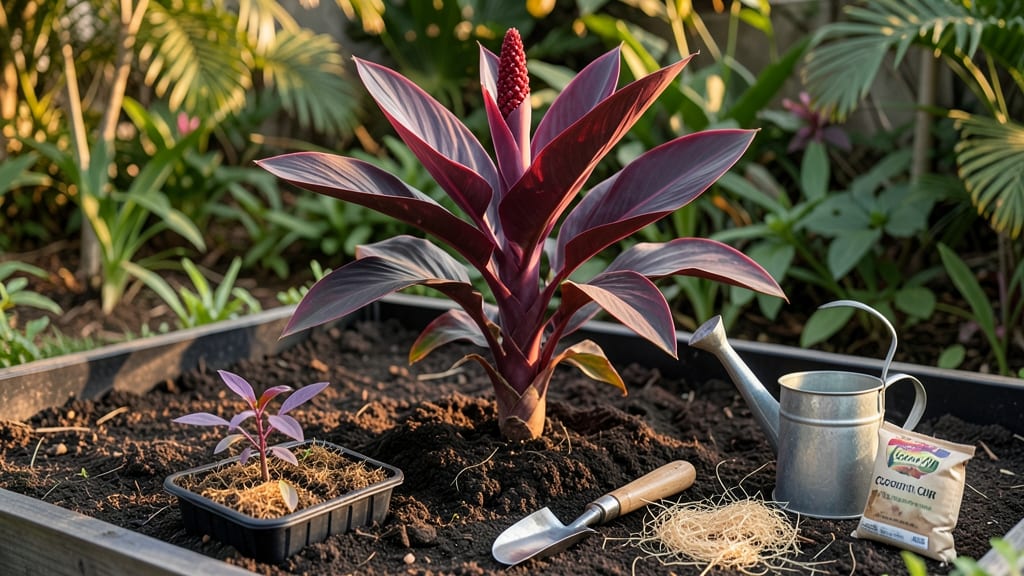
Growing a garden with a blood banana seed unlocks a tropical fruit promise you’ll taste in just 60 days. 🌱 I’ve spent years experimenting with these vibrant plants, and the key to success starts with the right seed—whether you source them online or rescue them from a grocery store banana.
The trick isn’t just patience; it’s mimicking their natural jungle conditions at home.
Blood bananas thrive in warmth and humidity, so if you’re in zones 10-12, you’re golden—plant them directly in the ground. Cooler climates? Start seeds indoors under grow lights, then transplant when temperatures stay above 65°F.
The soil mix matters too: rich, well-draining compost blended with coconut coir keeps roots happy, while a 5-gallon pot gives young plants room to stretch.
By day 60, you’ll see those signature deep-red blooms (and maybe even tiny fruit!). The real magic happens when you prune regularly to encourage bushier growth and protect against fungal issues.
A light spray of neem oil keeps pests like aphids at bay, and mulching retains moisture—critical in dry spells. Trust me, the first ripe banana is worth every drop of sweat.
This method works for container gardens, greenhouses, or in-ground plantings—just adjust sunlight and water as needed. Whether you’re a beginner or a seasoned grower, blood bananas reward curiosity with bold, sweet fruit that’ll make your garden the talk of the neighborhood. Let’s get those seeds sprouting!
📚 In This Guide
- What you need
- Instructions
- Tips and common mistakes
- Wrapping up and next steps
What you need
- ● Blood banana seeds: 3–5 fresh, viable seeds (harvested from ripe fruit or purchased from a reputable supplier).
- ● Biodegradable pots or seed trays: 4–6 small pots (3–4 inches in diameter) with drainage holes.
- ● Well-draining potting mix: 2–3 bags of a blend designed for tropical plants (60% peat/coir, 30% perlite, 10% compost).
- ● Plastic wrap or humidity dome: To maintain moisture during germination.
- ● Spray bottle: For gentle watering (avoid over-saturating seeds).
- ● Grow lights or sunny windowsill: A warm, bright spot (70–85°F) with 12+ hours of light daily.
- ○ Fertilizer (optional but helpful): A balanced, water-soluble fertilizer (e.g., 10-10-10) for seedlings.
- ● Heat mat: Speeds up germination if your space is cool.
- ● pH meter: Ideal soil pH for blood bananas is 5.5–6.5.
- ● Mulch or coconut coir: Retains moisture in larger pots.
- ● Support stakes: For future seedlings (as they grow taller).
Step-by-Step instructions for growing blood banana trees from seed
Here's how to transform a single blood banana seed into a thriving tropical plant ready for fruiting.
🌱 Step 1: Prepare the Seed for Germination
Blood banana seeds have a tough outer shell that needs scarification to encourage germination. I like to use a sharp knife to carefully nick the seed's thick coat along one side—just enough to expose the inner seed without cutting through it. This small opening lets water penetrate and triggers the germination process.
Place the prepared seed in a small glass or jar and cover it with warm water. Let it soak for 24-48 hours while checking daily. You'll know it's ready when you see a tiny white root emerging from the nicked side. This usually happens within 3-5 days of soaking.
🪴 Step 2: Plant the Germinated Seed
Fill a 4-inch diameter pot with well-draining potting mix—I blend equal parts peat moss, perlite, and coco coir to create an airy medium that mimics tropical forest conditions. Make a small hole about 1 inch deep in the center of the pot and gently place the germinated seed with the root pointing downward.
Cover the seed with soil, leaving just the top visible, and water lightly until the soil feels evenly moist. Place the pot in a warm location with bright, indirect light—a south-facing window works well, but avoid direct sunlight, which can scorch the delicate young plant. Keep the soil consistently moist but never soggy.
💧 Step 3: Provide Ideal Growing Conditions
Blood banana seedlings thrive in high humidity and warmth, so I place a clear plastic bag over the pot to create a greenhouse effect. Secure the bag loosely with a rubber band to allow for airflow while retaining moisture. Maintain a temperature of 75-85°F—a seedling heat mat can help if your home runs cooler.
After 2-3 weeks, you'll see the first true leaves emerge—these will be broad and glossy, signaling healthy growth. At this stage, remove the plastic bag gradually over 5-7 days to acclimate the seedling to normal humidity levels. Keep the soil moist but avoid overwatering, as root rot is a common issue with tropical plants.
☀️ Step 4: Transition to Larger Containers
Once the seedling reaches 6-8 inches tall and has developed 4-5 true leaves, it's time to repot into a 6-inch container. Use the same well-draining mix and gently remove the seedling from its current pot, being careful not to damage the roots. Place it in the new container, firm the soil around the base, and water thoroughly.
Move the plant to a location with bright, indirect light for the next 4-6 weeks. If you notice the leaves turning pale or the stems stretching excessively, it's a sign the plant needs more light. At this stage, you can introduce morning sunlight for 1-2 hours daily to strengthen the plant before it's ready for full sun.
✂️ Step 5: Maintain and Encourage Growth
By 60 days, your blood banana seedling should be 12-18 inches tall with a sturdy stem and multiple leaves. At this point, it's ready for a 1-gallon pot filled with a mix of 50% potting soil and 50% compost to provide the nutrients it needs for robust growth. Water the plant deeply once a week, allowing the top 1-2 inches of soil to dry out between waterings.
Fertilize every 4-6 weeks with a balanced, water-soluble fertilizer diluted to half strength. Avoid over-fertilizing, as this can lead to salt buildup in the soil, which is harmful to tropical plants. Prune any yellow or damaged leaves promptly to encourage new growth and maintain the plant's health.
Tips & tricks for growing blood banana trees from seed
Turning that single seed into a thriving tropical plant takes patience—but these insider tricks will help you skip the common pitfalls and nurture your blood banana from day one.
Scarification Precision: When nicking the seed in Step 1, aim for a clean, shallow cut—just enough to expose the inner seed without breaking the shell completely. I use a sharp knife and make the cut along the seed's flat side, where the embryo is located. This targeted approach prevents over-scarring while still allowing water penetration. The key is to see a faint white line appear where you cut—this confirms you've reached the seed's core without damaging it.
Germination Timing Secret: The 24-48 hour soak is non-negotiable, but what happens after that window is critical. I check for root emergence every 12 hours starting on day 3—this is when most blood banana seeds begin their transformation. If you don't see roots by day 5, gently re-nick the seed (just the original cut) and return it to warm water. Patience is key: some seeds take up to 7 days to germinate, but they'll catch up once they start.
Soil Science Matters: That 4-inch pot in Step 2 needs to breathe, which is why the peat moss/perlite/coco coir mix is essential. The perlite creates air pockets that prevent waterlogging, while coco coir retains moisture without compacting. Pro tip: Before planting, mix in a handful of worm castings (about 1 tablespoon) for natural microbial activity that jumpstarts root development. This small addition makes all the difference in early growth.
Light Transition Strategy: The move from plastic bag to full light exposure in Step 4 is where many growers struggle. I recommend a gradual approach: start with 1 hour of morning sun on day 1 of removal, then add 30 minutes each subsequent day until reaching full light exposure by day 5. Watch for leaf color changes—pale yellowing means too much sun too soon, while deep green indicates perfect acclimation. This phased transition prevents sunburn while hardening the plant.
Pro Tips for Blood Banana Seed Grow A Garden
- Turning that single seed into a thriving tropical plant takes patience—but these insider tricks will help you skip the common pitfalls and nurture your blood banana from day one.
- Scarification Precision: When nicking the seed in Step 1, aim for a clean, shallow cut—just enough to expose the inner seed without breaking the shell completely.
- Germination Timing Secret: The 24-48 hour soak is non-negotiable, but what happens after that window is critical.
Frequently asked questions
Got questions about growing blood banana from seed? You’re not alone—this tropical fruit is exciting but can be tricky! Below, we’ve answered the most common questions to help you grow a thriving blood banana plant with confidence.
How long does it take for a blood banana seed to sprout?
A blood banana seed typically sprouts in 10–30 days if kept in warm, moist conditions (70–85°F). Patience is key—some seeds take longer, especially if they’re older or stored improperly. Keep the soil consistently damp (not soggy) and place the pot in bright, indirect light for best results.
Can I grow a blood banana indoors, or does it need a garden?
Yes! Blood banana plants thrive indoors in large pots (10+ inches deep) with bright, indirect sunlight near a south- or west-facing window. For outdoor gardens, wait until after the last frost and plant in well-draining soil with partial shade (especially in hot climates). Just ensure temperatures stay above 50°F—they’re tropical, after all!
Why isn’t my blood banana seed germinating? Troubleshooting tips.
If your seed isn’t sprouting, check these common issues:
- Cold soil: Blood banana seeds need warmth—try a heat mat or place the pot on top of a refrigerator.
- Dry soil: Keep the soil consistently moist (like a damp sponge), but avoid waterlogging.
- Old or low-quality seeds: Fresh seeds (under 6 months old) germinate best. Soak seeds in warm water for 24 hours before planting to soften the hard outer shell.
- Poor drainage: Use a mix of potting soil and perlite to prevent root rot.
Will my blood banana plant produce fruit from seed?
Growing from seed is possible, but fruit production is slow—it can take 3–5 years (or longer) before your plant bears fruit. For faster results, consider grafting a blood banana scion onto a compatible rootstock (like a dessert banana). Even if fruiting takes time, enjoy the plant’s striking red stems and large leaves!
Are there easier tropical fruits to grow from seed?
If blood banana feels too challenging, try these seed-friendly tropical alternatives:
- Pineapple: Germinates in 2–4 weeks; grows faster than blood banana.
- Papaya: Ready for fruit in 1–2 years; self-pollinating.
- Avocado: Fun to grow indoors; takes 3–5 years for fruit.
Wrapping up and next steps
Growing blood bananas from seed is a rewarding journey that brings a taste of the tropics to your garden in just 60 days! With the right soil, warmth, and patience, you’ll soon enjoy vibrant, sweet fruit packed with nutrients.
Whether you’re a beginner or a seasoned gardener, this project is a fun and fulfilling way to expand your green space.
Ready to take the next step? Start small—plant a few seeds in pots first to test your conditions before committing to a full garden bed. Happy growing, and may your blood banana trees thrive! 🌱✨