
Size
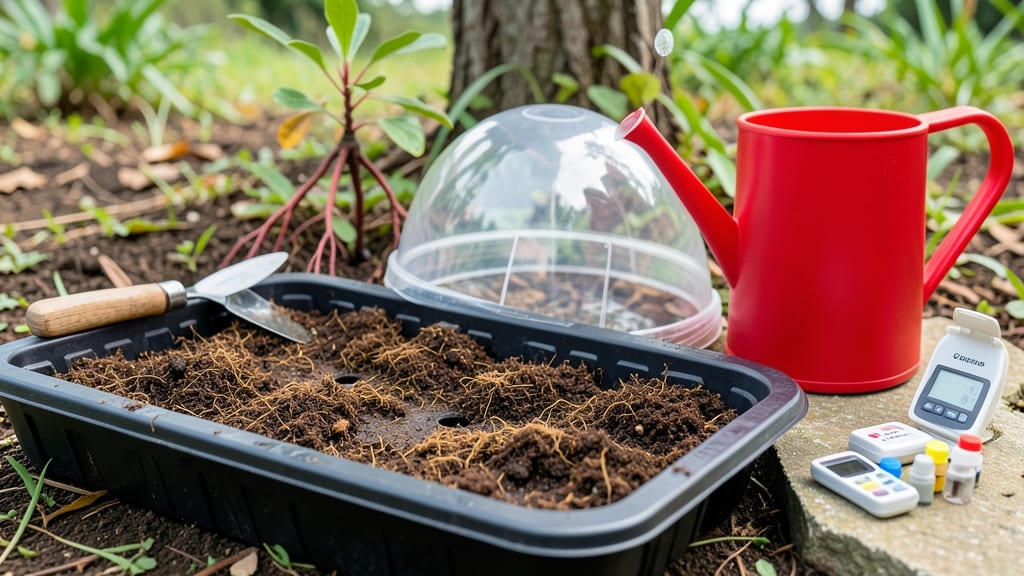
Growing mangrove seeds in your garden unlocks a piece of the tropics right outside your door. 🌿 These resilient coastal plants thrive in conditions most gardeners avoid—salty soil, standing water, and humidity—yet they reward you with lush, air-purifying foliage and striking aerial roots.
My first attempt last summer proved they’re far easier to grow than I expected, even for beginners.
You’ll need a 5-gallon container or shallow tray, a mix of 60% potting soil and 40% perlite or sand, and a warm, humid spot. Mangrove seeds require constant moisture—think swampy, not soggy—and a 70-80°F environment to germinate.
Coastal gardeners have an advantage, but indoor grow lights can mimic the conditions if you live inland. The key is patience; germination can take 2-6 weeks, but once sprouted, these plants grow fast.
What you’ll end up with is a mini mangrove forest that cleans the air, supports pollinators, and adds drama to your garden. The twisting roots create a tropical vibe, while the glossy leaves stay vibrant even in heat.
By month 3, you’ll be pinching back new growth to encourage bushier plants—perfect for containers, water gardens, or even as a striking houseplant in a humidity tray.
Fair warning: mangroves love water but hate cold snaps. If temperatures drop below 40°F, move them indoors or cover them. Over time, they’ll outgrow small pots, so plan for up to 10 gallons by year two.
The trade-off? A garden that feels like a secret coastal escape, no beach required.
📚 In This Guide
- What you need
- Instructions
- Tips and common mistakes
- Wrapping up and next steps
What you need
- ● Mangrove seeds: Collect fresh, viable seeds (e.g., Rhizophora, Avicennia, or Laguncularia) or buy from a reputable supplier. Aim for 5–10 seeds per planting area.
- ● Potting mix: A well-draining blend of 50% peat moss or coconut coir, 30% perlite or sand, and 20% compost (for pots or seed-starting trays).
- ● Containers or garden bed: Pots: 4–6 inch diameter with drainage holes (use 3–5 seeds per pot).
- ● Raised bed: 12+ inches deep with sandy, slightly acidic soil (pH 5.5–7.5).
- ● Watering can or hose: With a gentle spray nozzle for consistent moisture.
- ○ Clear plastic dome or plastic wrap: To create a humidity tent (optional but helpful for germination).
- ● Gloves: To protect hands from sharp seed coatings.
- ○ Seedling heat mat: (70–80°F) to speed up germination (optional but recommended for cooler climates).
- ● Fertilizer: A balanced liquid fertilizer (10-10-10) or seaweed extract for young seedlings.
- ● Mulch: Pine bark or straw to retain moisture and regulate soil temperature.
- ● Stakes or trellis: For taller mangrove species like Rhizophora (if planting in windy areas).
- ● pH testing kit: To monitor soil acidity (ideal range: 5.5–7.5).
Step-by-step guide to growing mangrove seedlings in your backyard
Transform your backyard into a mini tropical ecosystem with these precise steps.
🌱 Step 1: Collect and Prepare Mangrove Seeds
Gather viable mangrove propagules (seeds) from healthy, mature trees—look for plump, brown, bean-like pods about 2-4 inches long. These seeds require stratification to break dormancy. Soak them in lukewarm water for 24-48 hours, changing the water every 8 hours to prevent mold. You’ll know they’re ready when the seed coat softens and the seed swells slightly.
After soaking, place the seeds in a moist paper towel inside a sealed plastic bag. Store them in a warm spot (75-85°F) for 7-14 days. Check daily for signs of sprouting—tiny white roots should emerge first, followed by a small shoot. This process mimics the natural germination conditions mangroves experience in their coastal habitats.
🪴 Step 2: Set Up the Germination Medium
Fill a shallow tray or small pots with a mix of 50% peat moss and 50% perlite or coarse sand. This lightweight blend ensures proper drainage while retaining enough moisture for delicate seedlings. Avoid garden soil—it’s too dense and may harbor pathogens. Moisten the mix until it feels like a damp sponge, then let it drain slightly before planting.
Plant each germinated seed ½ inch deep, spacing them 2 inches apart in the tray. Gently press the medium around the seeds to secure them without compacting it. Place the tray in a warm, humid environment—under a grow light or in a bright, indirect window. Keep the medium consistently moist but never soggy; mangrove seedlings are prone to rot if overwatered.
☀️ Step 3: Provide Ideal Growing Conditions
Mangrove seedlings thrive in bright, indirect light for the first 4-6 weeks. Gradually introduce direct light to harden them, but avoid harsh midday sun, which can scorch tender leaves. Maintain a temperature range of 70-85°F—cooler conditions slow growth, while extreme heat stresses young plants. A small fan on low setting helps simulate coastal breezes and strengthens stems.
Water the seedlings from the bottom by placing the tray in ½ inch of water for 10-15 minutes, then drain excess. This method encourages deep root growth and prevents fungal issues. You’ll notice the first true leaves—small, oval, and leathery—emerge within 2-4 weeks. At this stage, fertilize lightly with a diluted seaweed-based fertilizer (half-strength) to provide essential micronutrients without burning delicate roots.
💧 Step 4: Transplant and Acclimate Seedlings
Once seedlings develop 3-4 sets of true leaves and reach 6-8 inches tall (typically after 8-12 weeks), they’re ready for individual pots. Use 6-inch diameter containers filled with a mix of 50% peat moss, 30% perlite, and 20% coconut coir. This blend mimics the airy, water-retentive soil of mangrove swamps. Gently remove each seedling, ensuring the root ball stays intact, and plant it at the same depth it grew in the tray.
Place the pots in a location with partial shade for the first week to reduce transplant shock. Gradually increase sunlight exposure over 10-14 days1 inch of soil to dry slightly between waterings. Mangrove seedlings are salt-tolerant, so you can lightly mist them with a ¼-strength sea salt solution (1 teaspoon per gallon of water) once a month to simulate coastal conditions.
✂️ Step 5: Maintain and Expand Your Mangrove Garden
Prune leggy growth by pinching back the tips of new shoots to encourage bushier growth. Remove any yellow or wilted leaves immediately—they signal stress or disease. Mangroves grow best in humid environments, so mist the foliage daily if your climate is dry. After 6 months, you can transplant mature seedlings into larger containers or directly into a sandy, well-draining garden bed with partial shade.
To create a thriving mangrove garden, group plants 3-4 feet apart and mulch with wood chips to retain moisture and suppress weeds. Over time, your backyard will transform into a lush, tropical retreat. Real talk: Mangroves grow slowly, so patience is key—but the reward is a unique, resilient garden that mirrors coastal ecosystems.
Tips & tricks for growing mangrove seedlings
Here's what nobody tells you about nurturing these coastal survivors into thriving backyard specimens.
Seed Selection: When collecting mangrove propagules, prioritize seeds from healthy trees with plump, brown pods between 2-4 inches long. The seed coat should feel firm but slightly pliable—avoid any that appear shriveled or cracked, as these often won't germinate. I've found that seeds collected during the late summer to early fall have the highest viability, mirroring their natural coastal release patterns.
Stratification Strategy: The 24-48 hour soaking period is your first critical window. Use lukewarm water (around 75°F) and change it every 8 hours to prevent bacterial growth. I learned this the hard way—skipping water changes led to moldy seeds after just 36 hours. Pro tip: Place a small weight on the seeds in their container to keep them submerged, ensuring even moisture distribution during soaking.
Light Management: During the first 4-6 weeks, bright indirect light is non-negotiable. I use a combination of a grow light for 12 hours daily and a sheer curtain to diffuse direct sunlight. The goal is to mimic the dappled light patterns mangroves experience in their natural coastal habitats. Watch for leaves turning pale yellow—this signals too much direct sun, while dark green indicates perfect light conditions.
Transplant Timing: The 8-12 week mark for transplanting is a guideline, not a strict deadline. Your seedlings are ready when they've developed 3-4 sets of true leaves and reached 6-8 inches tall. I've successfully transplanted slightly smaller seedlings (5-6 inches) when they showed strong root systems through the bottom of their trays, but they required more careful acclimation. The key is balancing size with root development—don't rush this step.
Pro Tips for Mangrove Seed Grow A Garden
- Here's what nobody tells you about nurturing these coastal survivors into thriving backyard specimens.
- Seed Selection: When collecting mangrove propagules, prioritize seeds from healthy trees with plump, brown pods between 2-4 inches long.
- Stratification Strategy: The 24-48 hour soaking period is your first critical window.
Frequently asked questions
Got questions about growing a mangrove garden?
You’re not alone—this tropical adventure comes with its own set of curiosities! Below, we tackle the most common queries to help you navigate your mangrove seed journey with confidence.
Can I grow mangrove seeds indoors first?
Start indoors in a warm, humid environment (like a greenhouse or under grow lights) to germinate seeds. Use a mix of peat moss and perlite, keep the soil moist, and maintain temperatures above 75°F (24°C). Once seedlings sprout (in 2–8 weeks), transplant them outdoors once the threat of frost has passed.
How long does it take for mangrove seeds to germinate?
Germination time varies by species, but most mangrove seeds take 2–8 weeks to sprout. Some, like red mangroves (Rhizophora mangle), may take longer due to their unique propagule structure. Patience is key—keep the soil consistently moist and warm to encourage faster growth.
Do mangrove trees need saltwater to grow?
While mangroves thrive in brackish or saltwater, many species (like black mangroves) can adapt to freshwater if planted in well-draining, slightly acidic soil. However, for optimal growth, replicate coastal conditions with a mix of freshwater and saltwater (or use a 1:4 ratio of saltwater to freshwater). Avoid stagnant water to prevent root rot.
What’s the best climate for growing mangroves?
Mangroves love tropical or subtropical climates with warm temperatures (above 60°F/15°C) and high humidity. If you live in a cooler zone, grow them in containers and bring them indoors during winter. Coastal regions with mild winters are ideal—just protect young plants from unexpected frosts!
Why aren’t my mangrove seeds sprouting?
Several factors could slow germination: dry soil, low temperatures, or poor seed viability. Try soaking seeds in warm water for 24 hours before planting, or scarify the seed coat (gently sand it) to help water penetrate. If seeds are old or stored improperly, they may not sprout—opt for fresh, viable seeds for best results.
Can I grow mangroves in a small backyard or container?
Yes! Dwarf mangrove species like Avicennia germinans (black mangrove) or Laguncularia racemosa (white mangrove) thrive in containers (at least 10–15 gallons). Use a well-draining potting mix with perlite, and place pots near a water source (like a pond or fountain) to mimic coastal humidity. Just ensure containers have drainage holes!
Wrapping up and next steps
Growing a mangrove seed garden is more than just a rewarding hobby—it’s a chance to bring a slice of the tropics to your backyard while supporting biodiversity. 🌿 With the right preparation, patience, and care, you’ll soon enjoy the unique beauty and ecological benefits of these resilient plants.
Whether you’re a beginner or a seasoned gardener, every seed you plant is a step toward creating a thriving, sustainable oasis.
Now that you’re armed with the knowledge to get started, take the next step—gather your supplies, prepare your space, and let your mangrove garden grow! Share your progress with fellow plant enthusiasts or even inspire others to join the green revolution. Happy planting! 🌱