
Propagation
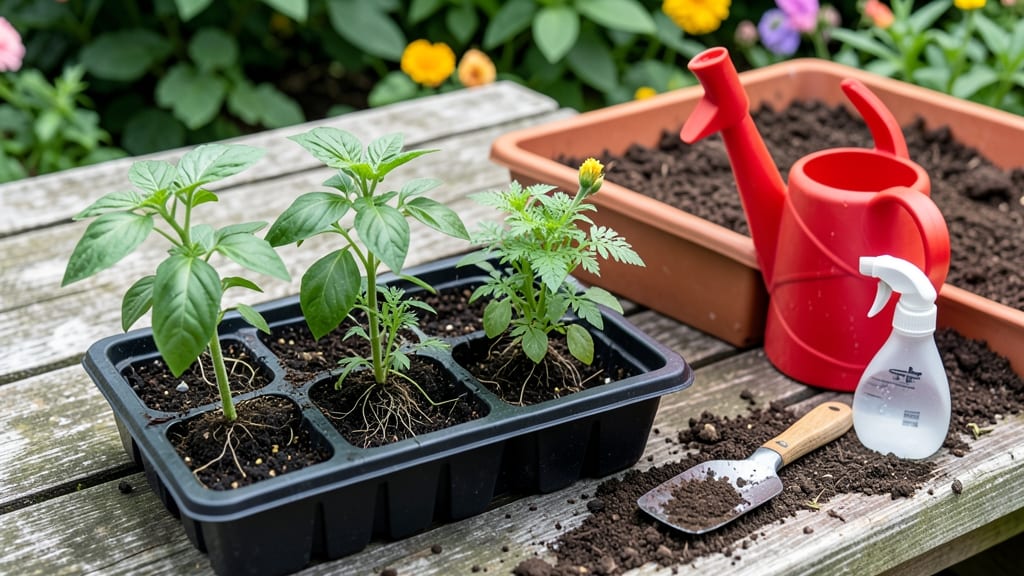
Transplant seedlings from seed trays when they’ve developed 2-4 true leaves and a sturdy root system — timing this right makes the difference between strong plants and stunted growth.
You’ve nurtured those tiny 🌱 seedlings for weeks, but moving them too early can shock their delicate roots, while waiting too long risks overcrowding and weak stems. The key is watching for specific signs: healthy leaves, a compact root ball, and a height of about 2-3 inches.
Beyond leaf count, weather plays a role — transplanting after the last frost (around April 15 in Zone 6a) ensures seedlings aren’t stressed by cold. But even then, some plants, like tomatoes, need extra time to harden off before they go outdoors.
In this guide, I’ll walk you through the exact leaf stages to watch for, how to prep seedlings for transplanting, and species-specific tips to avoid common mistakes. By the end, you’ll know exactly when to move those seedlings without hesitation.


The perfect leaf stage for transplanting seedlings (with visual guide)
Transplanting seedlings at the right leaf stage makes all the difference between a thriving garden and stunted growth. The key is recognizing true leaves—those that look like the mature plant's foliage—not the initial cotyledons (the first two seed leaves).
True leaves indicate the seedling has established its photosynthetic system and is ready to handle outdoor conditions.
Most gardeners wait until seedlings have 2-4 true leaves before transplanting, but this varies by plant type. For example, tomatoes and peppers typically need 3-4 true leaves, while herbs like basil can go out with just 2 true leaves.
Understanding these differences prevents overcrowding and ensures strong root development.
Here’s how to tell true leaves apart from cotyledons: true leaves are smaller versions of the adult plant’s foliage, often with serrated edges or distinct shapes. Cotyledons, on the other hand, are simple and round, serving only as temporary food storage for the seedling.
Transplanting too early—when seedlings still rely on cotyledons—can shock their delicate root systems. Waiting too long risks overcrowding, which weakens stems and increases disease risk. The goal is to move seedlings when they’re sturdy enough to support themselves but haven’t outgrown their seed trays.
Below is a visual guide to help you identify the perfect transplant stage for common seedlings, including leaf count, height, and root development cues. Use this as your checklist before moving plants outdoors.
| Plant Type | True Leaves Needed | Ideal Height | Root Development | Transplant Time |
|---|---|---|---|---|
| Tomatoes | 3-4 | 2-3 inches | Filling seed tray | After last frost |
| Peppers | 3-4 | 2-3 inches | Strong taproot | When soil warms |
| Basil | 2-3 | 1-2 inches | Compact roots | After frost risk |
| Lettuce | 2-3 | 1-1.5 inches | Shallow roots | Cool weather |
| Herbs (Cilantro, Parsley) | 2-3 | 1-2 inches | Moderate roots | Spring or fall |
| Flowers (Marigolds, Petunias) | 3-5 | 2-4 inches | Well-developed | After frost |
For tomatoes and peppers, aim for 3-4 true leaves and a height of 2-3 inches. These plants benefit from a sturdy taproot, so avoid transplanting until you see roots growing out of the seed tray’s drainage holes.
If you notice leggy seedlings, they’ve stretched too much for light and may struggle post-transplant.
Herbs like basil and leafy greens (e.g., lettuce) can often go out with fewer leaves—just 2-3 true leaves—since they grow quickly and don’t need as much root space. However, flowers like marigolds or petunias may need 3-5 true leaves before transplanting, as they require more energy to establish.
One common mistake is confusing cotyledons with true leaves. Cotyledons are the first leaves to appear and look nothing like the mature plant’s foliage. For example, tomato cotyledons are smooth and round, while true leaves are jagged and resemble mini tomato leaves.
Always count only true leaves when assessing transplant readiness.
Pro tip: If your seedlings are crowded in their trays, they’re likely ready to transplant before they hit the ideal leaf count. Gently squeeze the seed tray—if roots are pushing against the sides, it’s time to move them.
Overcrowding leads to weak stems and disease susceptibility, so don’t wait too long!
Once you’ve confirmed the right leaf stage, harden off your seedlings for 5-7 days before transplanting. This means gradually exposing them to outdoor conditions (sun, wind, and temperature fluctuations) to reduce shock. Start with 1-2 hours per day and increase
Environmental conditions that determine transplant timing (beyond leaf count)
While counting leaves is a great starting point, the real secret to successful transplanting lies in understanding how your seedlings interact with their environment. Temperature fluctuations, daylight duration, and even the seedling's internal strength all play critical roles in determining the perfect transplant window.
Ignoring these factors can lead to stunted growth or shock, even if your seedlings look "ready" by leaf count alone.
For example, tomato seedlings in cooler climates may need to wait until soil temperatures reach 60°F (15°C)—even if they've developed their fourth true leaf. Meanwhile, basil can handle slightly cooler soils but thrives when nighttime temperatures stay above 55°F (13°C). These environmental thresholds often trump leaf stage alone.
Daylight hours also shift the transplant timeline. Plants like peppers and eggplants, which require long, warm days, should wait until after the vernal equinox (around March 20) in most zones.
This ensures they get 14+ hours of daylight—critical for flowering and fruiting. Meanwhile, leafy greens like lettuce can handle shorter days and may transplant earlier.
Transplanting seedlings when soil temps are below 50°F (10°C) can cause root rot or stunted growth. Nighttime temps under 55°F (13°C) may trigger bolting in greens or blossom drop in tomatoes. Always check your local frost-free date and soil thermometer readings—they often override leaf-stage guidelines.
Seedling strength matters just as much as external conditions. A thick, woody stem (about 1/8-inch diameter) and a well-developed taproot (roots filling the seed tray) are signs your seedlings can handle transplanting.
Gently tug on seedlings before transplanting—if they resist, their roots are ready. If they slide out easily, wait another week.
Another critical factor is acclimation to outdoor conditions. If you're starting seeds indoors, begin hardening off your seedlings 7-10 days before transplanting. This means gradually exposing them to direct sunlight, wind, and temperature swings for 1-2 hours daily.
Skipping this step can lead to wilting or sunburn on transplant day.
For cool-season crops like broccoli or cabbage, you can transplant 4-6 weeks before your last frost date—even if they’re smaller—because they thrive in cooler temps. But warm-season crops like cucumbers or squash must wait until after your last frost and when soil is at least 65°F (18°C).
Always match your transplant timing to the plant's heat tolerance, not just your eagerness to start planting.
Finally, don’t forget to monitor moisture levels in the days leading up to transplanting. Dry soil can cause transplant shock, while soggy soil may lead to root disease.
Aim for consistently moist (not waterlogged) soil, and transplant on a cloudy day or in the early evening to reduce stress on the seedlings. With these environmental factors in mind, you’ll avoid the most common transplanting pitfalls and give your seedlings the best possible start.