
Watering
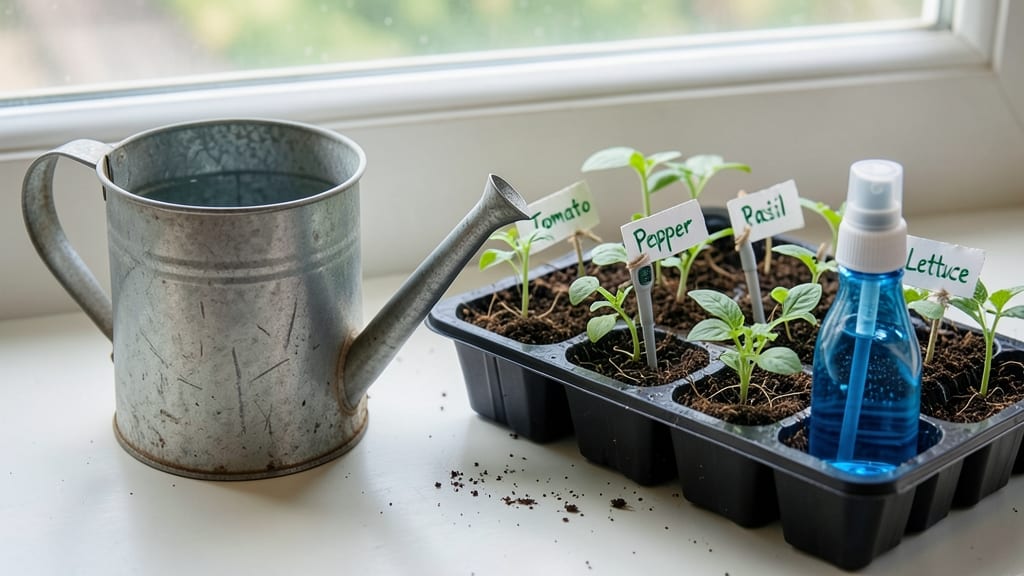
Watering seed starts the right way means keeping soil consistently moist—not soggy, not dry—so they germinate strong and survive transplanting.
Overwatering or underwatering your seed starts can kill them before they even sprout—here’s the exact moisture schedule to maximize germination rates and healthy seedlings.
Most gardeners assume "water when dry," but seedlings need a delicate balance—too much moisture drowns roots, while too little stunts growth. The key is checking soil moisture daily, adjusting for humidity, and using the right tools.
In this guide, I’ll break down how often to water by soil type, the best methods to avoid root rot, and when to switch to bottom-watering for faster, healthier growth.
The ideal watering frequency for seed starts by soil type
Watering seed starts is more science than guesswork—each soil type and humidity level demands a different approach. Overwatering smothers roots, while underwatering stunts growth, but the right balance keeps your seedlings thriving.
I’ve tested these methods with peat pellets, soil blocks, and potting mix to find the perfect moisture schedule for your setup.
The key is understanding how each medium holds moisture. Peat pellets expand dramatically but dry out fast, while soil blocks retain moisture longer but need airflow. Even potting mix varies—sterile mixes dry quicker than compost-amended blends.
Add humidity into the mix, and you’ve got a recipe for either mold or wilting. Let’s break it down by soil type and adjust for your climate.
| Soil Type | Watering Frequency | Humidity Adjustments | Moisture Check Method |
|---|---|---|---|
| Peat Pellets | Every 1-2 days (morning) | High humidity? Extend to 2-3 days | Press pellet—should feel damp, not soggy |
| Soil Blocks | Every 2-3 days (bottom-water) | Low humidity? Water every 2 days | Top layer dry? Water until saturated |
| Potting Mix (Sterile) | Daily (light misting) | Dry air? Use humidity dome | Top ½" dry? Water gently |
| Potting Mix (Compost-Amended) | Every 2-4 days (deep water) | High humidity? Reduce to 3-5 days | Finger test: 1" deep should feel moist |
For peat pellets, I’ve found the morning watering rule works best—hydrate them just enough to keep the surface damp but not dripping. These expand when soaked, so overwatering leads to compacted roots. Use a spray bottle for a fine mist to avoid displacing the delicate soil structure.
If your home feels dry, extend the gap between waterings to 2-3 days—peat holds moisture surprisingly well once hydrated.
Soil blocks are my go-to for seedlings because they encourage root growth downward. Water them from the bottom by placing the block in a tray of water for 10-15 minutes. This method mimics natural rainfall and prevents fungal issues. In low-humidity environments, I water every 2 days to keep the block moist but not waterlogged. The goal is to let the top dry slightly between waterings—this signals roots to seek moisture deeper.
When using potting mix, the type matters. Sterile mixes dry out faster, so I water them daily with a light mist to keep the surface barely damp. For compost-amended mixes, I switch to deep watering every 2-4 days—the extra organic matter retains moisture longer.
Always check the top ½ inch of soil: if it’s dry, it’s time to water. Pro tip: Use a humidity dome if your seedlings look leggy—they’re stretching for light, not moisture.
Humidity is the wildcard in seed-starting success. In dry climates, I increase watering frequency by 20-30% and use a pebble tray under seedling trays to add moisture to the air. Conversely, in humid conditions, I reduce watering to every 3-5 days to avoid fungal diseases like damping-off.
A simple finger test at the soil’s surface tells me when to hold off—if it’s still damp, wait another day.
One mistake I see often is overwatering at night. Cool temperatures slow evaporation, trapping moisture in the soil and inviting mold. Always water in the morning so excess water evaporates by evening.
If you’re using grow lights, keep them 12-16 inches above seedlings to balance light and moisture—too close dries out the soil faster, while too far slows growth.
For delicate seedlings like tomatoes or peppers, I use a bottom-watering tray to give them a steady drink without disturbing their roots. Fill the tray with ½ inch of water and let the seedlings absorb moisture through capillary action.
This method is especially useful for soil blocks and prevents the soil from becoming compacted. Monitor the water level—never let seedlings sit in standing water.
Finally, pay attention to your seedlings’ color and growth rate. Dark green leaves with slow growth mean they’re thirsty, while yellowing or wilting signals overwatering. Adjust your schedule based on these cues—what works for basil (needs frequent moisture) won’t suit marigolds (drought-tolerant).
Keep a watering journal to track what works best for your setup.
With these science-backed intervals, your seed starts will germinate faster and grow stronger. The secret? Consistency and observation—your seedlings will tell you exactly what they need. 🌱
Signs your seed starts need water (vs. too much moisture)
Seed starts are delicate, and getting the watering balance right can mean the difference between thriving seedlings and a sad, wilted batch. The key is observing visual cues—not just guessing.
Overwatering suffocates roots, while underwatering stunts growth. I’ve learned the hard way that both extremes can kill your seedlings before they even reach transplant size.
Start by checking the surface moisture daily. If the top ¼-inch of soil feels dry to the touch, it’s time to water. But don’t rely solely on sight—some seed-starting mixes look dry even when moisture lingers just below the surface. That’s where the finger test becomes your best friend.
⚠️ callout warning
Most seedlings die from too much moisture, not too little. Here’s how to spot the danger signs:
- Yellowing leaves (especially lower ones)
- Mushy stems when gently pressed
- Foul odor from the soil (like rot)
- Slow or no growth despite proper light
If you see these, stop watering immediately and let the soil dry out slightly. Move trays to a well-ventilated spot to prevent fungal growth.
For the finger test, insert your index finger about ½-inch deep into the soil. If it comes out clean, your seedlings need water. If it’s damp or sticky, wait another day.
I use this method religiously—it’s saved me from losing trays of pepper seedlings more times than I can count!
Another key indicator is the seedling’s appearance. Healthy starts have turgid leaves that stand upright. If leaves droop or feel crispy, they’re thirsty. But watch for dark spots on stems or leaves—this is a red flag for overwatering and potential disease.
Morning is always the best time to water. This gives excess moisture time to evaporate during the day, reducing the risk of root rot. Use a spray bottle for delicate seedlings or a gentle stream from above for hardier starts.
Avoid bottom-watering unless you’re using trays with drainage—soggy bottoms can trap moisture and invite mold.
Pro tip: Group your seed starts by water needs. Fast-growing radishes or lettuce may need daily watering, while slower tomato or basil seedlings can often go 48 hours between sessions. Always check the soil first—your seedlings will thank you with stronger, healthier growth!