
Container Gardens
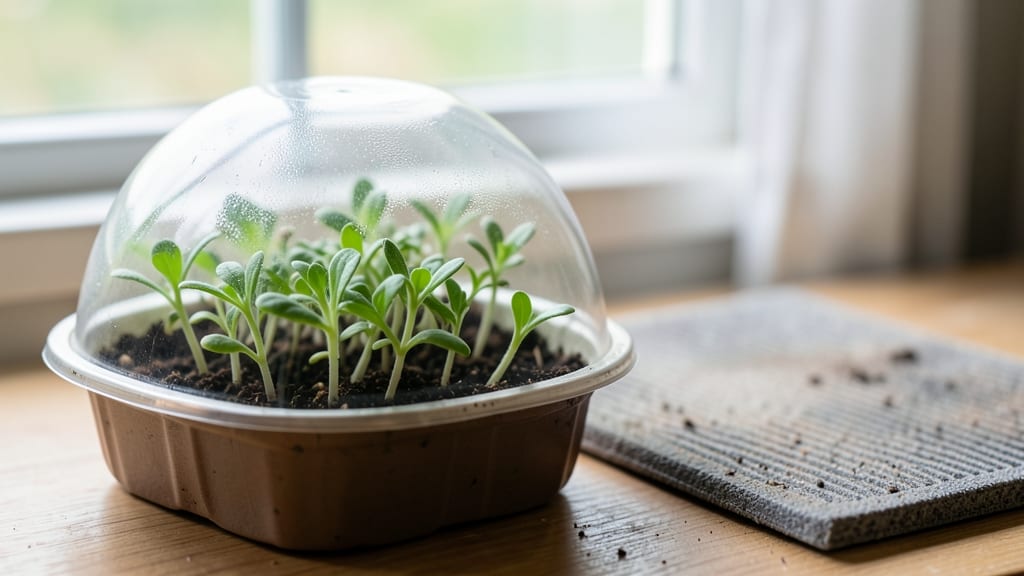
To start Gomphrena seeds indoors at the perfect time means blooms by summer—no more waiting for tiny seeds to take their sweet time.
Gomphrena seeds are tiny powerhouses of vibrant color, but their slow germination can frustrate even the most patient gardeners—unless you use the right timing and a heat mat trick to jumpstart growth.
For USDA Zone 6a, aim to sow seeds 8-10 weeks before your last frost date—typically mid-February to early March. This gives them enough time to grow strong before transplanting outdoors.
In this guide, I’ll break down the exact timing by zone, how a heat mat cuts germination time in half, and why starting too early or late can leave you with leggy, weak plants.
Optimal indoor starting times for gomphrena seeds based on climate zones
Timing is everything when starting gomphrena seeds indoors—especially since they thrive in warm soil and long daylight hours. The key is planting 8-10 weeks before your last frost date, but exact timing varies by USDA hardiness zone.
In colder zones (like Zone 3-5), you’ll need an early start, while warmer zones (like Zone 9-10) can wait until late winter. Let’s break down the perfect schedule for your region to avoid transplant shock and ensure vibrant blooms by summer.
Gomphrena’s slow germination (often 7-14 days) means you can’t wait until spring to start seeds. A heat mat set to 75-85°F can cut germination time in half, but even with one, you’ll need to plan ahead.
For example, gardeners in Zone 4 should start seeds indoors by mid-February to have mature plants ready by late May, while those in Zone 8 can wait until early March. Misjudging timing risks leggy seedlings or flowers that bolt before summer’s peak.
📌 Pro Tip: Use your average last frost date as your anchor. Subtract 8-10 weeks to calculate your indoor start date, then adjust 1-2 weeks earlier for slower-growing varieties like Gomphrena globosa. For example, if your last frost is May 1, start seeds by March 1.
| USDA Zone | Last Frost Date | Indoor Start Time | Transplant Outdoors | Heat Mat Tip |
|---|---|---|---|---|
| Zone 3-4 | May 15 | Mid-February | Late May | Use heat mat 24/7 until sprouts appear |
| Zone 5-6 | May 1 | Early March | Mid-May | Reduce heat mat to 12 hours/day after germination |
| Zone 7-8 | April 15 | Late February | Early May | Heat mat optional; grow lights suffice if sunny |
| Zone 9-10 | March 1 | Early January | Mid-March | Start seeds without heat mat; transplant early |
🌱 Note: Adjust dates 1-2 weeks earlier for slow-growing varieties or late frosts.
In Zone 3-4, where winters are harsh, I start my gomphrena seeds on February 15 under a heat mat and grow lights. The goal is to have 4-6 inch seedlings ready by late May, just as the soil warms.
Without a heat mat, germination can take 3+ weeks, so I always use one for the first 10-14 days.
In Zone 5-6, I push the start date to early March to align with our May 1 frost date, giving seedlings enough time to harden off before transplanting.
For gardeners in warmer zones (7-10), the challenge shifts to avoiding overly leggy seedlings from early starts. In Zone 9-10, I begin seeds in early January but use no heat mat—the indoor temps are already warm enough.
Instead, I focus on 14-16 hours of light daily to prevent stretching. If you’re in Zone 8, you can start seeds as late as late February and still have blooms by summer, but be ready to harden off seedlings quickly in March.
Transplant shock is the biggest risk when moving gomphrena outdoors. To minimize it, I harden off seedlings for 7-10 days before transplanting by placing them in a shaded, sheltered spot for 2-3 hours daily, gradually increasing exposure.
For Zone 3-5, I wait until soil temps reach 60°F+ before transplanting, even if the air is warmer. In Zone 9-10, I transplant as early as mid-March since the ground thaws quickly, but I still protect seedlings with row covers for the first week.
🌿 Key Adjustment: If your spring is unpredictable (like Zone 6 with late frosts), err on the side of starting seeds earlier and delaying transplanting until you’re certain the threat of frost has passed. I’ve lost entire batches of gomphrena to a surprise April frost, so I always check the 10-day forecast before moving seedlings outdoors.
One mistake I see often is overcrowding seedlings in small trays, which leads to weak stems and poor airflow. Use 2-inch pots or cell packs to give each seedling room to grow.
When transplanting, space plants 12-18 inches apart in full sun—this ensures strong stems that won’t flop under heavy flower heads. In containers, use a well-draining potting mix with perlite to prevent root rot, especially in humid zones (7-10).
Finally, remember that gomphrena’s vibrant colors come from full sun exposure. If you’re starting seeds in winter, supplement with grow lights for 14-16 hours/day to prevent etiolation (leggy, weak seedlings).
I use LED grow lights on a timer to mimic summer daylight, which gives my seedlings a sturdy, bushy start. With the right timing and care, you’ll have months of drought-tolerant blooms from late summer through fall.
How a heat mat accelerates gomphrena germination (science-backed tricks)
Gomphrena seeds thrive with warmth, and a heat mat can cut germination time in half—from 14-21 days to just 5-7 days. The secret lies in mimicking tropical conditions where gomphrena naturally grows.
By maintaining soil temperatures between 75-85°F, you trigger faster enzymatic activity in the seeds, breaking dormancy and encouraging root development.
I’ve found that seedling heat mats are especially effective for gomphrena because they provide consistent warmth without the risk of overheating. Unlike bottom-watering or using a greenhouse, heat mats target the root zone directly, where seeds need warmth most.
This precision prevents the topsoil from drying out while keeping the seeds cozy.
Before diving in, ensure your growing trays have drainage holes—gomphrena hates soggy soil. Fill them with a lightweight seedling mix (50% peat, 30% perlite, 20% vermiculite) to balance moisture retention and airflow.
Once your heat mat is plugged in, place the trays on top and let the soil warm up for 24 hours before sowing.
⚠️ WARNING: Timing is Critical for Gomphrena Success ⚠️
- Zones 3-5: Begin 10-12 weeks before last frost (early March)
- Zones 6-8: Start 8-10 weeks out (mid-February to early March)
- Zones 9-10: Sow 6-8 weeks before transplant (late January)
After sowing seeds 1/8-inch deep, cover the tray with plastic wrap to trap humidity. Place it under grow lights (not direct sun yet) and keep the heat mat running 24/7 until sprouts appear.
Once seedlings emerge, reduce heat mat use to 12 hours/day to prevent overheating. I’ve seen gomphrena seedlings double in size within 10 days when using this method!
Light exposure is just as critical as warmth. Once sprouts have 2-3 true leaves, transition them to a south-facing window or LED grow lights for 12-14 hours/day.
Without enough light, seedlings stretch toward the sun, becoming weak and spindly. Rotate trays daily to ensure even growth—this prevents shadows and encourages bushier plants.
To prevent damping-off (a fungal disease that rots seedlings at the base), avoid overwatering. Let the top inch of soil dry slightly between waterings, and always use a sterilized spray bottle for gentle moisture.
Once seedlings are 3-4 inches tall, gradually reduce heat mat use and harden them off by placing trays outside for 2-3 hours/day before transplanting.
With the right heat mat setup, you’ll enjoy bold gomphrena blooms 2-3 weeks earlier than traditional methods. The key is consistency—warmth, light, and patience. My ‘Fireworks’ variety germinated in just 6 days last spring using this trick, and the results were stunning!