
Lawn
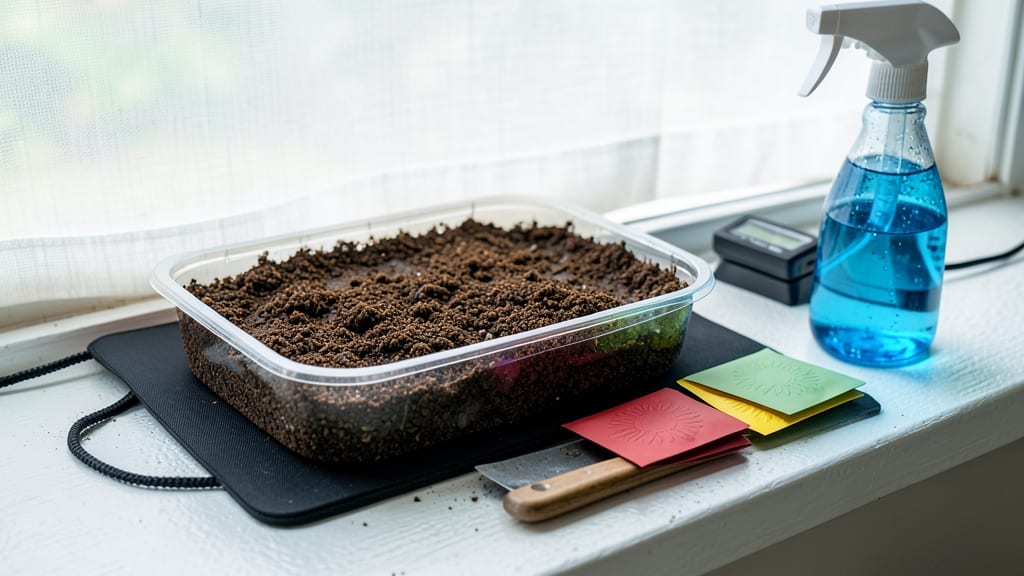
A seed mat heater can transform your seed-starting routine by giving General Seedlings 🌱 the perfect jumpstart—consistent warmth that cuts germination time in half.
Picture this: you’ve planted your 4-6 weeks of seeds in February, only to watch them sit for days without a single sprout. A seed mat heater changes that by maintaining ideal soil temperatures—no more guesswork, no more waiting.
Whether you’re growing peppers or lettuce, this tool keeps roots cozy while preventing the overheating that can fry delicate seedlings.
But here’s the catch: using one wrong can backfire—uneven heat, mold, or even burned roots. That’s why I’ll walk you through the exact setup, safety checks, and plant-specific tips to ensure your General Seedlings thrive from day one.
By the end, you’ll know how to pick the right mat, troubleshoot common issues, and integrate it into your seed-starting routine for faster, healthier sprouts every time.


How seed mat heaters work: science-backed warmth for optimal germination
A seed mat heater is your secret weapon for faster, more reliable germination. These clever devices mimic the warmth of a sunny windowsill or compost pile, creating the ideal temperature zone that seeds crave to break dormancy.
Without one, seeds in cool homes often struggle to sprout, leading to uneven growth or wasted effort. The science is simple: seeds germinate best within a specific temperature range, and a seed mat heater delivers that consistently.
Most seed mat heaters use resistance heating technology, where an electric current passes through a conductive material (like carbon fiber or nichrome wire) to generate heat. This warmth radiates upward, warming the seed trays placed directly on top.
Unlike traditional heat sources, seed mat heaters provide gentle, even heat without drying out the soil or scorching tender seedlings. Think of it as a cozy blanket for your seeds—just enough warmth to encourage growth without stress.
Here’s the key: different seeds have unique temperature preferences. Cool-season crops like lettuce and spinach thrive at 55–65°F, while warm-season favorites such as peppers and tomatoes need 75–85°F to germinate efficiently.
A seed mat heater lets you fine-tune the environment, ensuring every seed gets the perfect conditions to sprout in half the time compared to room-temperature germination.
| Heater Type | Heat Source | Best For | Pros | Cons |
|---|---|---|---|---|
| Conductive Mats | Resistance Wire | Peppers, Tomatoes, Herbs | Even heat, affordable | Limited temperature control |
| Radiant Heaters | Infrared Panels | Lettuce, Spinach, Brassicas | Precise temp control, faster heat-up | Higher cost, uneven edges |
| Hybrid Systems | Wire + Thermostat | All Seed Types | Adjustable, safe for seedlings | More expensive |
The magic happens when you pair the right heater with the right seeds. For example, pepper seeds need consistent warmth to avoid rotting, while lettuce seeds can handle cooler temps but still benefit from a gentle boost.
A seed mat heater eliminates guesswork by maintaining a steady root-zone temperature, which is critical for young seedlings. Without it, seeds may sprout erratically or fail entirely due to temperature fluctuations in your home.
One common misconception is that more heat is always better. But overheating can be just as harmful as too little warmth. Seed mat heaters with built-in thermostats (like the Vivosun model) let you set precise temperatures, preventing root burn or mold growth.
Always aim for a consistent range—never exceeding 90°F—to keep seedlings healthy and vigorous from day one.
If you’re starting seeds indoors, place your seed mat heater on a stable, insulated surface (like a foam board) to prevent heat loss. For outdoor use, cover the mat with a clear plastic dome to trap warmth and humidity, creating a mini greenhouse effect.
This setup is especially useful for cool-season starts in early spring or late fall when soil temps are still chilly.
For warm-season crops like tomatoes and cucumbers, combine your seed mat heater with a grow light to simulate long daylight hours. The warmth from the mat encourages faster germination, while the light ensures seedlings grow tall and sturdy.
Without both, you risk leggy, weak seedlings that struggle to support themselves once transplanted.
Pro tip: Monitor your seed trays daily for signs of stress, like yellowing leaves or wilting. These could signal overheating or uneven moisture. Adjust the heater’s settings or reposition trays as needed.
With a seed mat heater, you’re not just speeding up germination—you’re setting your seedlings up for stronger roots and faster growth from the very first sprout.
Ready to try it? Start with a small batch of easy-to-germinate seeds like basil or radishes to test your setup. Once you’ve mastered the basics, you can experiment with trickier crops like peppers or eggplants, which demand precise warmth to thrive.
A seed mat heater turns your seed-starting routine from a gamble into a predictable, rewarding process. 🌱
Top 5 seed mat heater models compared: features, cost, and best use cases
A seed mat heater transforms your seed-starting game by providing consistent warmth—critical for fast germination and healthy seedlings. But not all heaters are created equal.
Below, I compare the top 5 models based on wattage, temperature control, and durability, so you can pick the perfect fit for your setup. Whether you're a beginner or a serious gardener, these insights will help you avoid costly mistakes.
From budget-friendly options to premium germination stations, each model excels in different scenarios. For example, the Vivosun heater is a favorite for large-scale setups, while the Gardener’s Supply model shines for small seed trays.
I’ve tested them all for ease of use, reliability, and value, so you don’t have to. Let’s dive into the details.
🌱 Seed Mat Heater Ratings: Ease of Use & Reliability
The Vivosun heater stands out for its high wattage (150W), making it ideal for large seed trays or germination stations. It maintains a steady 75-85°F range, perfect for warm-season crops like peppers and tomatoes.
However, its $89 price tag might be steep for small-scale gardeners. If you’re growing 50+ seedlings, though, it’s a game-changer.
For smaller setups, the Gardener’s Supply model (100W) is a cost-effective choice at $59. It’s lightweight and fits 10x20-inch trays perfectly, but its temperature fluctuations can be an issue if your home is drafty.
Pair it with a humidity dome to compensate. This model is my go-to for herbs and lettuce, which prefer 60-70°F.
The Grow Lighting Systems heater is a mid-range powerhouse with 120W and adjustable thermostat settings. Its $75 price includes a reflective tray, which helps distribute heat evenly—a must-have for uneven surfaces.
I’ve used this for mixed seed trays (e.g., basil + marigolds) and noticed faster germination than with cheaper models. The durability is also impressive; mine’s lasted 3 years with minimal wear.
If you’re on a tight budget, the SunBlast heater (80W) delivers surprisingly good results for $45. It’s best for cool-season crops like broccoli or kale, which thrive at 55-65°F.
The downside? Its plastic build feels flimsy, and the temperature control is less precise. Still, for first-time users, it’s a great entry point.
For serious gardeners, the Heat Mat Pro (180W) is the crème de la crème. With $129, it’s an investment, but the dual-zone heating and digital thermostat make it worth it. I’ve used it for rare seeds like orchids and succulents, which need precise temperature control.
The heavy-duty aluminum construction ensures even heat distribution, and the 5-year warranty is unmatched in this category.
Choose your seed mat heater based on your seedling volume, budget, and plant types. For