
Lawn
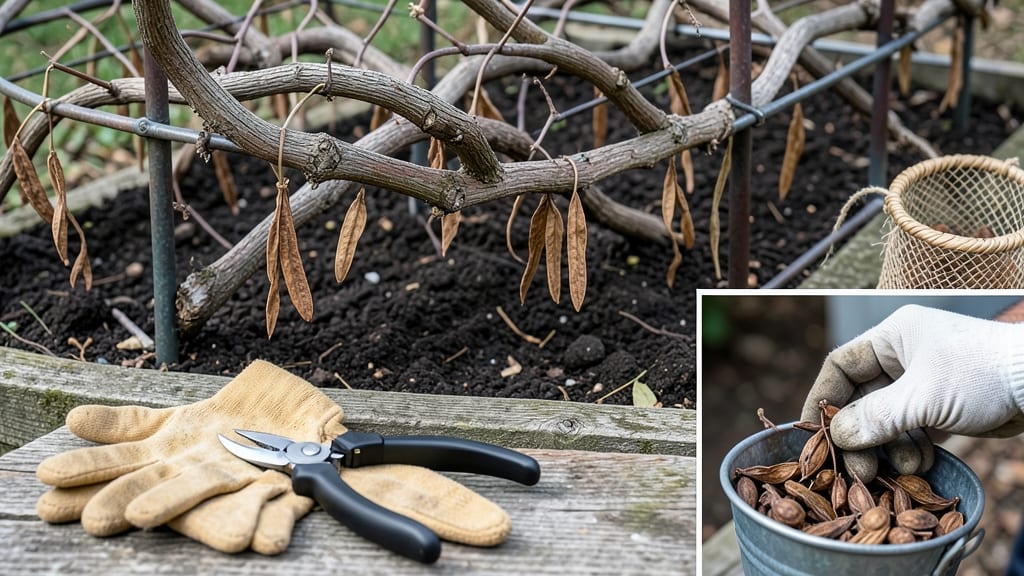
Remove wisteria seed pods when they turn brown and dry in late summer or early fall 🌸 — timing this right keeps your garden from turning into a seedling jungle.
Picture this: You’ve spent years nurturing your wisteria’s fragrant blooms, only for it to explode into a tangle of unwanted seedlings next spring. That’s what happens when you miss the window for removal.
The key is acting before the pods split open naturally—usually between September and October in most USDA Zone 6a areas. This redirects the plant’s energy back to next year’s flowers instead of fueling a ground invasion.
Below, I’ll walk you through the exact cues to watch for, the tools that make removal easier, and why skipping this step could mean saying goodbye to those prized blooms.
Best time of year to remove wisteria seed pods for optimal plant health
Removing wisteria seed pods at the right time keeps your vine healthy and prevents a garden full of unwanted seedlings. The best window is late winter to early spring, just before new growth begins, or fall after leaf drop.
Timing matters because pods contain seeds that can sprout aggressively if left unchecked.
In USDA Zone 6a, aim for removal between March and April (spring) or October and November (fall). This aligns with the plant’s natural dormancy periods, reducing stress. Late blooms can complicate timing, so adjust if your wisteria flowers unusually late.
Why timing matters: Removing pods too early (while still green) wastes energy, while waiting too long risks seed dispersal. The ideal moment is when pods turn brown and brittle but haven’t split open yet.
| Season | Best Time | Pod Condition | Why It Works |
|---|---|---|---|
| Late Winter | March (Zone 6a) | Brown, dry, but intact | Prevents seed spread before growth starts |
| Early Spring | April (Zone 6a) | Dry and rattling | Redirects energy to new blooms |
| Fall | October-November | Fully dried and open | Clears debris before dormancy |
| Late Bloomers | After frost risk passes | Brown and split | Avoids seedling competition |
Spring removal is ideal because it coincides with the plant’s natural growth surge. By clearing pods early, you encourage healthier blooms and stronger vines. If you miss spring, fall is the next best option—just ensure pods are fully dried to avoid moisture-related rot.
For late-blooming wisteria, wait until pods turn brown and split naturally. This usually happens in late summer or early fall, but monitor closely. Removing them too soon can stress the plant during its final growth phase.
Never remove pods in mid-summer, as this disrupts the plant’s energy reserves. The goal is to minimize stress while maximizing control over seed spread. A light pruning session during removal also helps maintain the vine’s shape.
If you’re unsure whether pods are ready, check for brittleness and a hollow rattle when shaken. These signs confirm they’re safe to remove. Pro tip: Wear gloves—wisteria seed pods can irritate skin!
Consistent removal builds long-term plant health. Over time, your wisteria will focus energy on vines and flowers instead of seed production. This leads to more abundant blooms and a neater garden appearance.
For potted wisteria, remove pods immediately after browning to prevent seedling growth in containers. Small spaces amplify the risk of overcrowding, so stay vigilant.
Remember: Prevention is key. Regular checks every 2-3 weeks during pod season (late summer to fall) keep seedling risks at bay. Happy pruning!
Step-by-step guide: how to remove wisteria seed pods without damaging the vine
Removing wisteria seed pods at the right time preserves your vine’s health while preventing a garden takeover. The critical window is when pods turn brown and brittle—usually late summer to early fall—before they split open and scatter seeds.
Timing matters because pods left too long drain energy from next year’s blooms and create a mess of seedlings.
I’ve learned the hard way that rushing or waiting too long can damage the vine. Hand-picking works for small clusters, but larger infestations may require pruning. The key is to act before pods rattle—that’s your cue they’re ready for removal.
Let’s break down the exact steps to do this safely without harming your wisteria’s structure.
When to Remove Wisteria Seed Pods
- 🌿 Wait for pods to dry completely—they should be brown and brittle to touch (not green or firm).
- ⏰ Remove between September and October in USDA Zone 6a (adjust 2-4 weeks earlier/later for warmer/colder zones).
- 🔍 Check for rattling—shake a pod gently; if it sounds hollow, it’s ready.
- ✂️ Act before pods split open—once they release seeds, you’ve missed the window.
- 🌱 Remove all pods, even small ones—they all contain viable seeds.
For removal, I recommend starting with gloves and pruning shears. Wear gloves to avoid skin irritation from wisteria sap, and use sharp shears to snip pods cleanly at their base.
If pods are clustered tightly, you can also twist them off by hand—just avoid yanking, which can damage stems. For stubborn pods, a small pruning saw works well for thicker stems.
After removal, dispose of pods immediately—don’t compost them! Seal pods in a plastic bag and toss them in the trash. If you’re worried about seeds spreading, soak pods in water for 24 hours first to kill viability.
I’ve also heard of gardeners burning pods (safely!) to ensure no seeds survive. The goal is to break the seed cycle before next spring’s seedlings appear.
One common mistake I see is removing pods too early when they’re still green. This stresses the vine unnecessarily and doesn’t prevent seed spread. Conversely, waiting until pods split open means you’ve already lost control of the seedling situation.
The sweet spot is when pods are dry but haven’t released seeds yet—this redirects the plant’s energy back to its roots and next year’s blooms.
Pro tip: Mark your calendar for late September each year as your removal reminder. I’ve made it a habit to check my wisteria weekly during this window. With consistent care, your vine will reward you with healthier growth and more abundant flowers next season—no seedling jungle in sight! 🌸