
Plants
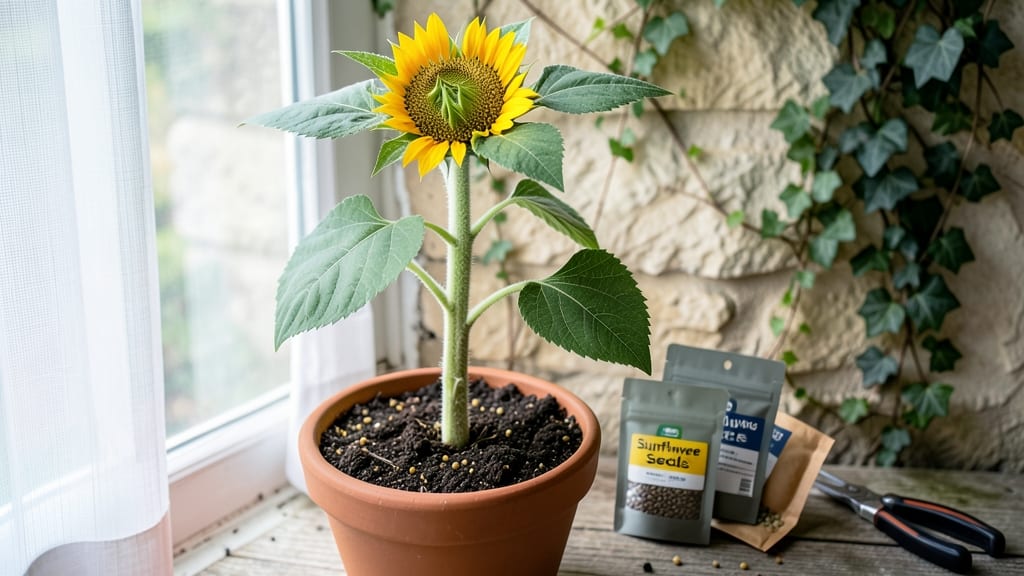
Plant sunflower seeds in Zone 8 from mid-March through early July to catch the full summer growing season 🌻 — or try late summer for fall blooms if you love autumn color.
Sunflowers bring unmatched joy to any garden—but planting them at the wrong time in Zone 8 can mean wilted dreams instead of towering blooms. Timing is everything, and these exact months will ensure your sunflowers thrive from seed to sun.
Most gardeners in Zone 8 sow seeds directly into the ground after the last frost, which typically lands around mid-February. But wait too long, and you’ll miss the chance for mature blooms before fall frost hits.
Below, I’ll break down the best planting windows, how to adjust for your local microclimate, and the top varieties that perform best in Zone 8’s heat.
Best months to plant sunflower seeds in Zone 8 for maximum growth
In Zone 8, sunflowers thrive when planted during specific windows that align with soil temperatures and frost dates. The ideal planting months are April through July, with a bonus fall planting window in late summer.
These timing adjustments ensure your sunflowers reach their full 3-14 foot potential without frost damage or stunted growth.
Sunflowers are warm-season plants, meaning they need consistent temperatures above 50°F (10°C) to germinate properly. In Zone 8, this typically happens after the last frost date, which usually falls around February 15.
Planting too early risks frost damage, while waiting too long may reduce bloom time before fall frosts arrive.
Key factors like soil temperature, variety maturity, and local microclimates all influence the best planting window. For example, dwarf varieties (1-3 ft) mature faster than standard varieties (6-14 ft), allowing for later plantings. Let’s break down the exact months and strategies for success.
The late spring window (April-June) is my top recommendation for Zone 8 gardeners. During these months, soil temperatures consistently stay above 60°F (15°C), ensuring rapid germination and robust growth. This timing also aligns with sunflowers’ 60-120 day maturity range, guaranteeing blooms before the first frost in mid-November.
For tall varieties (6-14 ft), aim for June-July plantings to maximize their growth potential. These giants need the longest possible growing season to reach their towering heights. I’ve seen 'Mammoth' sunflowers planted in early July still bloom by October, adding late-season color to the garden.
Don’t overlook fall planting in Zone 8! While less common, late summer plantings (August-September) work beautifully for early-maturing dwarf varieties. These sunflowers can still produce cheerful blooms before the first frost, extending your garden’s seasonal interest.
Just choose varieties with 50-60 day maturity times like 'Teddy Bear' or 'Sunspot'.
When selecting varieties, consider your garden space and desired bloom time. Dwarf varieties (1-3 ft) are perfect for containers or small gardens and mature quickly, while standard varieties need ample space and time. I always recommend checking seed packets for days to maturity to align with your planting window.
Pro tip: Use row covers or black plastic mulch to warm soil faster in early spring plantings. This simple trick can shave weeks off the growing season, giving your sunflowers a head start. I’ve had great success with this method in cooler microclimates within Zone 8.
Remember, sunflowers are drought-tolerant once established, but they need consistent moisture during germination. Water seeds 1-2 inches deep daily until sprouts appear, then taper to 1-2 gallons per plant weekly. This care ensures strong roots and vibrant blooms throughout the season.
Timing your sunflower plantings correctly in Zone 8 transforms your garden into a sun-drenched paradise from summer through fall. Whether you choose early spring, late spring, or fall plantings, these exact months will help you grow the most stunning sunflowers your neighborhood has ever seen! 🌻
How to adjust sunflower planting time for Zone 8’s microclimates
Zone 8’s diverse microclimates—from coastal breezes to inland heat and high-desert dryness—can dramatically shift the best time to plant sunflower seeds. Coastal areas stay cooler longer, while inland valleys heat up faster, and high-desert regions face extreme temperature swings.
Understanding these differences helps you avoid wilting seedlings or stunted blooms and instead grow towering sunflowers that thrive in their unique environment.
For example, coastal gardeners in Zone 8a might plant as early as late March, while high-desert gardeners in Zone 8b should wait until mid-April to avoid soil overheating. Inland valleys often have warmer soil by early April, making it ideal for early starts.
These adjustments ensure your sunflowers get the 60-90 days they need to mature before the first frost.
- 1 Coastal Areas: Plant 4-6 weeks earlier (late March) due to cooler soil and longer frost-free windows. Use row covers if nights dip below 50°F.
- 2 Inland Valleys: Start seeds 2-3 weeks earlier (early April) when soil reaches 60°F. Opt for heat-tolerant varieties like 'Autumn Beauty' or 'Moulin Rouge' for late starts.
- 3 High-Desert Regions: Delay planting until mid-April to avoid soil overheating. Use mulch to retain moisture and drip irrigation to prevent stress. Choose drought-resistant varieties like 'ProCut'.
- 4 Fall Planting: Extend the season by sowing late summer (August) for fall blooms. Use row covers to protect from early frosts and select fast-maturing varieties (e.g., 'Teddy Bear').
If you live in a coastal microclimate, consider starting seeds indoors in late February to give them a head start. Transplant outdoors after the last frost, typically around mid-April, and use floating row covers to shield young plants from chilly coastal winds.
Inland valleys can often plant directly in the garden by early April, but monitor soil temperatures closely—sunflowers thrive when soil stays above 55°F.
For high-desert gardeners, focus on water retention and shade cloth during the hottest afternoons. Plant seeds in well-draining soil and water deeply twice a week until established. Heat-tolerant varieties like 'ProCut' or 'Russian Giant' handle desert conditions better than standard types.
If you’re planting late, opt for dwarf varieties (e.g., 'Moulin Rouge') to ensure they mature before the first frost.
To extend the growing season, use row covers or cold frames to protect seedlings from unexpected frosts in fall. This trick works especially well for late summer plantings (August) when you want fall blooms.
Pair this with slow-release fertilizer to give your sunflowers the nutrients they need to grow strong stems and vibrant blooms, even in shorter daylight hours.
Remember, sunflowers are resilient, but timing is key. By adjusting your planting schedule to match your local microclimate, you’ll enjoy towering sunflowers that bring joy from summer to fall. Happy gardening! 🌻