
Planting
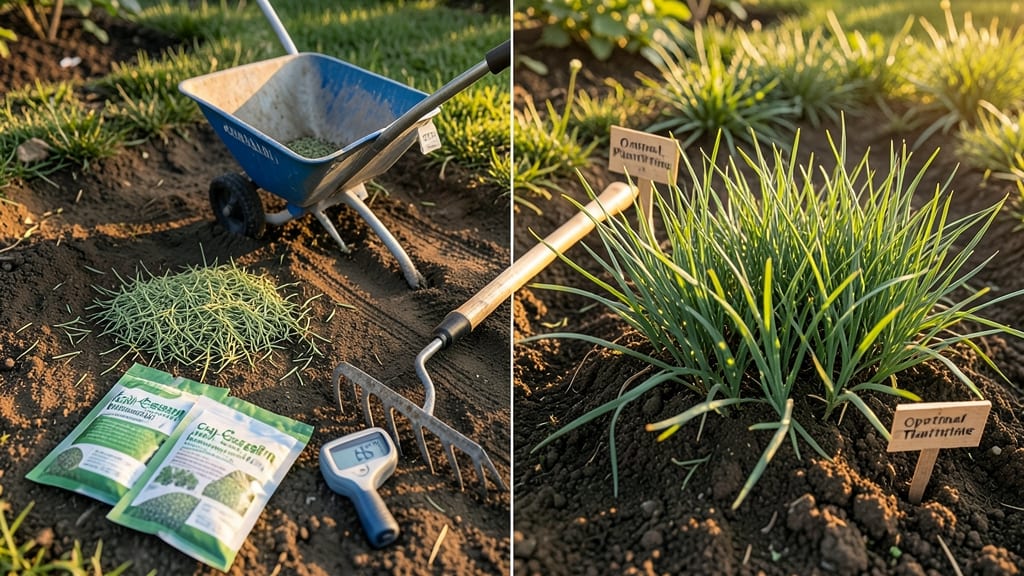
You can plant grass seed in Massachusetts when soil temperatures hit at least 50°F and the last frost has passed—typically mid-April for most of the state.
Timing your grass seed planting in Massachusetts can mean the difference between a lush, green lawn and struggling seedlings that never take hold—especially with unpredictable New England weather.
In Zone 6a-7a, early spring and fall offer the best windows for fast germination and strong root establishment, but planting too early risks frost damage while waiting too late can leave your lawn vulnerable to weeds.
Below, I’ll break down the exact months to plant, how to prep your soil for optimal success, and the common mistakes that derail even the most well-intentioned lawn projects.
Best months to plant grass seed in Massachusetts for optimal germination
Massachusetts gardeners know timing is everything when planting grass seed. The last spring frost typically arrives between mid-April and early May, while the first fall frost hits around mid-October. These windows create the perfect conditions for fast germination and strong root establishment before winter dormancy.
For the best results, focus on planting during early spring (March-April) or early fall (September-October). These periods offer moderate soil temperatures (50°F-75°F), ideal for seed activation without overwhelming heat stress. Cool-season grasses like Kentucky bluegrass and tall fescue thrive in these conditions.
Soil temperature is your most critical factor. Grass seed needs consistent temperatures between 50°F-75°F to germinate properly. In Massachusetts, March-April often hits this sweet spot, while September-October provides similar conditions before winter sets in.
Here's how Massachusetts' USDA zones 6a-7a break down for optimal planting:
| Planting Window | Ideal Soil Temp | USDA Zones | Key Considerations |
|---|---|---|---|
| Early Spring (March-April) | 50°F-65°F | 6a-7a | Post-frost, before summer heat; water daily until established |
| Late Spring (May) | 60°F-75°F | 6a-7a | Higher germination rates but needs consistent moisture |
| Early Fall (September) | 55°F-70°F | 6a-7a | Best for root development before winter; avoid late September |
| Late Fall (October) | 45°F-55°F | 6a-7a | Risk of early frost; only for hardy varieties |
Western Massachusetts (zone 6a) tends to have earlier last frosts (late April), while coastal areas (zone 7a) may wait until early May. Always check your specific local frost dates using the National Weather Service or Massachusetts Extension Service resources.
Fall planting offers distinct advantages. Seeds germinate slowly in cool autumn temperatures, establishing deep root systems before winter. This means less competition from weeds and better drought resistance once spring arrives. Aim to plant 6-8 weeks before your first frost for optimal results.
Regional microclimates play a crucial role. Coastal areas like Cape Cod experience milder winters and may extend fall planting into early November, while inland regions should finish by mid-October. Use soil thermometers to verify temperatures before planting.
Never plant grass seed when soil temperatures exceed 80°F or when frost is forecasted within 48 hours. Both conditions create stress on seedlings and poor germination rates. In Massachusetts, this typically means avoiding June-August and late October-November plantings.
For fastest germination, maintain consistent soil moisture (1-1.5 inches per week) and lightly rake the seedbed to ensure seed-to-soil contact. Mulch with straw (not wood chips) to retain moisture and protect young seedlings from temperature fluctuations.
Remember that cool-season grasses dominate Massachusetts lawns. These varieties thrive in fall and go dormant in summer, making them perfect for our climate. Planting at the right time ensures your lawn stays green and resilient year after year. 🌱
How to prepare your Massachusetts lawn for grass seed planting
Massachusetts’ clay-heavy soils and unpredictable spring frosts demand extra prep work before planting grass seed. Without proper preparation, your seeds may struggle to germinate or fall victim to weeds.
The key is creating a loose, nutrient-rich seedbed that holds moisture while allowing roots to penetrate easily. Let’s break this down into actionable steps tailored to your region.
Start by testing your soil pH—ideal for grass is between 6.0 and 7.0. Massachusetts soils often lean acidic, so you may need to add lime (for pH adjustment) or sulfur (for lowering pH).
Grab a soil test kit from local garden centers like Wayland’s Garden Center or The Home Depot, or send a sample to the UMass Soil and Plant Nutrient Testing Lab for precise results.
Once you’ve adjusted the pH, focus on weed control. Weeds compete for nutrients and light, so apply a pre-emergent herbicide like Scotts Halts Crabgrass or Spectracide Weed & Grass Killer 2-4 weeks before planting.
For organic options, use corn gluten meal, which also acts as a natural fertilizer. Clear any existing weeds manually with a broadfork or weeding knife to avoid disturbing the soil structure.
Step-by-Step Lawn Prep for Grass Seed
-
Step 1: Test Soil pH
Use a soil test kit or submit to UMass Extension. Aim for 6.0–7.0 pH. -
Step 2: Adjust pH if Needed
Add pelletized lime (for high pH) or elemental sulfur (for low pH). Follow package rates. -
Step 3: Loosen Clay Soil
Rent a core aerator or use a broadfork to break up compacted clay. Work 3–4 inches deep. -
Step 4: Apply Compost
Spread 2–3 inches of compost (like Black Kow) over the area. Rake evenly. -
Step 5: Level the Seedbed
Use a lawn rake to smooth bumps and fill low spots. Aim for a flat, firm surface. -
Step 6: Control Weeds
Apply pre-emergent herbicide or corn gluten meal 2 weeks before planting. -
Step 7: Lightly Rake Before Planting
Use a fine-tooth rake to create 1/4-inch furrows for seed-to-soil contact.
After prepping, amend the soil with compost or aged manure to improve drainage and fertility. Massachusetts’ clay soils can become waterlogged, so mix in sand or perlite if drainage is poor. For large areas, consider renting a rototiller to blend amendments evenly.
Once amended, lightly rake the soil to create a fine, crumbly texture—this ensures seeds make direct contact with moisture and nutrients.
Finally, water the seedbed thoroughly 24 hours before planting to settle the soil and create an ideal environment for germination. Use a hose with a sprinkler attachment or a garden hose to apply 1 inch of water evenly.
This step is critical, especially in spring planting, when dry spells can delay germination. Keep the soil consistently moist (not soggy) until the grass reaches 3 inches tall.
With these steps, your Massachusetts lawn will be ready for fast, even germination—no matter whether you’re planting cool-season grasses like tall fescue or warm-season grasses like Kentucky bluegrass. The key is patience and prep—your future lawn will thank you! 🌱