
Plants
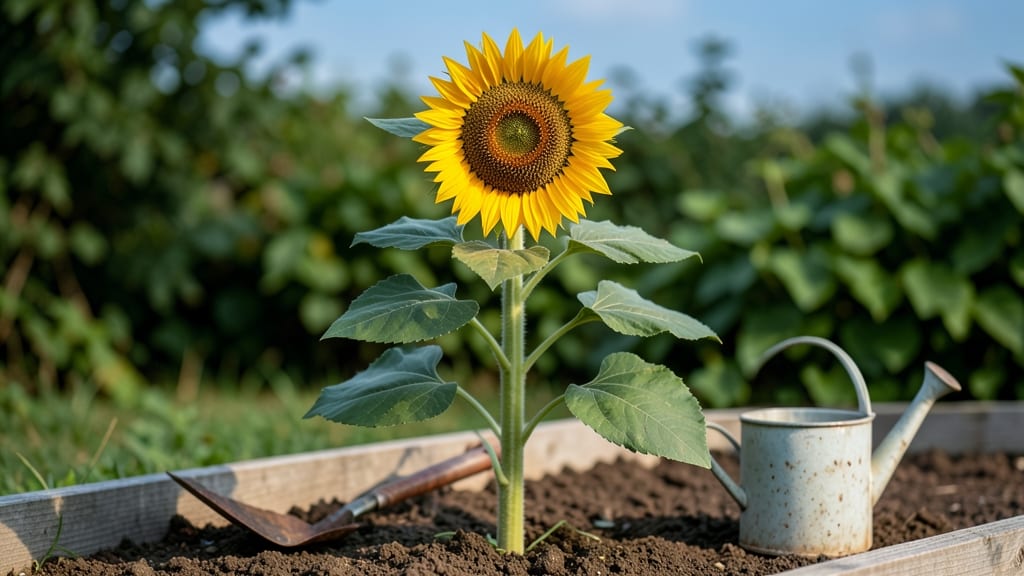
To plant sunflower seeds in Southern California for the fastest, tallest blooms, aim for February–March or September–October—when soil warmth and daylight balance out perfectly.
Picture this: you’ve just scattered seeds, and by June, you’re staring up at sunflowers taller than you, their golden faces tracking the sun like little solar panels. But miss the window, and you’ll end up with leggy, weak stems or flowers that bolt too soon.
The key is knowing when to start—whether you’re direct-sowing or prepping indoors—and how your microclimate (coastal vs. inland) changes the game.
Southern California’s mild winters and long growing season mean you can actually plant sunflowers year-round, but the best results come from those two sweet spots: spring for summer blooms and fall for winter color.
I’ll break down exactly when to plant by variety, how to prep your soil, and why skipping summer heat is a game-changer for avoiding wilted seeds.
Ready to grow sunflowers that turn heads? You’ll learn the exact planting schedule for your zone, the top varieties that thrive here, and pro tips to keep your 🌻 stalks sturdy—no matter if you’re in L.A. or the desert.
Best planting months for sunflowers in Southern California’s climate zones
Southern California’s diverse microclimates—from coastal fog belts to desert heat—create unique growing conditions for sunflowers. Unlike northern climates, frost is rarely a concern, but heat stress and soil temperatures dictate the best planting windows.
Coastal areas like Los Angeles and San Diego enjoy mild winters, while inland Inland Empire and desert regions face hotter summers and cooler nights. Let’s break down the ideal planting months for each zone to ensure your sunflowers thrive.
For coastal Southern California (USDA zones 10b-11), the best time to plant sunflower seeds is February through April and again in September to early October. These months offer consistent soil temperatures between 55°F and 75°F, perfect for germination and growth.
In contrast, inland and desert regions (zones 9b-10a) should plant in late February to March and September to avoid the intense summer heat that can stress young seedlings.
Here’s a quick comparison of planting windows by microclimate to help you decide the best time for your garden:
If you’re growing early-maturing varieties (30–60 days to bloom), you can push planting to January or late October, especially in coastal areas. These varieties, like 'Teddy Bear' or 'Moulin Rouge', tolerate cooler soils better than giant varieties.
For tall sunflowers (90–120 days to bloom), such as 'Russian Giant' or 'Mammoth', stick to the February–March or September windows to avoid summer heat stress, which can cause bolting (premature flowering) or stunted growth.
In desert regions, where summer temperatures can exceed 100°F, planting in late September or early October allows seeds to germinate before the ground heats up. Use shade cloth or drip irrigation to protect young seedlings from intense afternoon sun.
In contrast, coastal gardens benefit from extended growing seasons, so you can even experiment with fall planting in November for winter blooms, though growth may slow in cooler months.
One common mistake is planting sunflowers in peak summer (June–August), even in coastal areas. While sunflowers love heat, direct-sown seeds in hot soil (above 85°F) often fail to germinate. Instead, start seeds indoors 2–3 weeks before transplanting in late summer for a fall harvest.
For indoor starts, use grow lights to provide 12–14 hours of light daily until seedlings are ready for the garden.
To maximize success, test your soil temperature before planting—ideal germination occurs at 55–75°F. Use a soil thermometer or press your hand into the soil; if it feels warm but not hot, it’s ready.
In heavy clay soils common in inland areas, amend with compost or sand to improve drainage and prevent rot. Coastal gardens, with their sandy loam soils, may need a light mulch to retain moisture during dry spells.
Remember, sunflowers are drought-tolerant once established, but young plants need consistent moisture. Water deeply once a week in spring and fall, and every 2–3 days during summer heatwaves. Avoid overhead watering to prevent powdery mildew, a common fungal issue in Southern California’s humid summers.
Instead, use drip irrigation or soaker hoses to deliver water directly to the roots.
With the right timing and care, your sunflowers will reward you with towering blooms that attract pollinators and add joy to your garden.
Whether you’re in sunny Palm Springs or foggy Santa Barbara, these planting guidelines will help you grow sunflowers that stand tall, proud, and vibrant all season long. 🌻
Sunflower variety planting schedule: dwarf vs. giant blooms
Choosing the right sunflower variety isn’t just about height—it’s about timing. In Southern California’s mild winters and hot summers, dwarf varieties (like 'Moulin Rouge') mature in just 30-50 days, while giant varieties (like 'Russian Giant') need 100-120 days to reach their towering heights.
Planting too early or late can mean missed blooms or weak stems, especially in our USDA zones 9b-11.
For fast-growing dwarfs, aim for February-March or September-October plantings to avoid summer heat stress. Giant varieties, however, thrive when sown late February to early April—giving them enough time to mature before summer’s peak.
Coastal areas can push plantings slightly later, while inland desert regions should start earlier to escape extreme heat.
Key tip: Always plant when soil temps hit 55°F+. Use a soil thermometer to check—especially in cooler coastal zones where germination can stall. Mulch lightly after planting to retain moisture and regulate soil temperature.
If you’re growing giant sunflowers like 'Russian Giant', prioritize early spring plantings (late February to early April) to ensure they mature before summer’s peak heat. These varieties need 100+ days to reach their full height, so fall plantings won’t work—they’ll bolt too quickly in our mild winters.
For dwarf varieties, fall plantings in September can yield winter blooms, perfect for holiday cheer.
Pro tip: Stagger your plantings every 2 weeks for continuous blooms. This works especially well for mixed-height varieties—plant dwarfs first (March), then giants 2 weeks later (late March).
This ensures you’ll have colorful blooms all season without overcrowding. Just remember: giants need space—plant them 3-4 feet apart to avoid shading smaller varieties.
For coastal gardeners, you can push plantings slightly later (April) due to cooler temps, but inland areas should start by late February to avoid summer heat stress.
Always monitor soil moisture—sunflowers hate soggy roots but also wilting. Mulch with straw or wood chips to keep roots cool and hydrated.