
Plants
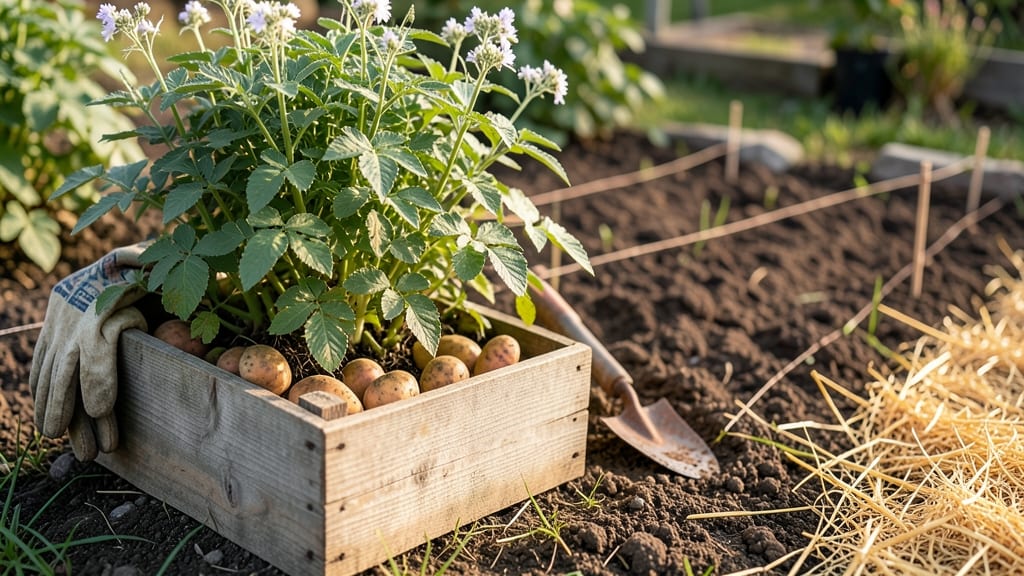
Planting seed potatoes in Australia between late winter and early spring 🥔 ensures strong tubers and a bountiful harvest—just don’t wait too long, or you’ll miss the frost-free window in cooler regions.
Timing is everything when growing seed potatoes in Australia—plant too early and risk frost damage, too late and miss peak harvest season. Get the exact zone-specific planting schedule to maximize your yield and avoid common gardening mistakes.
Whether you’re in frost-prone Victoria or the warmer Queensland climate, the right timing makes all the difference. I’ll break down the best months for each region, how to prep your soil, and why a few extra weeks can mean the difference between a great crop and a flop.
You’ll also learn how to adjust for early or late varieties, spot early warning signs of trouble, and keep your potatoes thriving until harvest. Let’s get those spuds in the ground the right way!
Australia’s potato planting zones: when to start seed potatoes by region
Australia’s diverse climate means your potato planting schedule should match your local conditions. In temperate zones like Victoria and Tasmania, you’ll need to wait for frost-free soil, while subtropical regions such as Queensland can plant earlier.
Tropical areas like northern NSW rarely experience frost, allowing for year-round planting with seasonal adjustments. Let’s break down the exact timing for each zone to ensure your seed potatoes thrive.
For all regions, aim for soil temperatures above 10°C (50°F) before planting, as cooler soils delay sprouting. In cooler climates, this typically aligns with spring, while warmer zones can start earlier.
The key is balancing early planting with frost risk and late planting with summer heat stress. Let’s explore the ideal windows for each Australian climate zone.
In temperate regions like Victoria, aim to plant seed potatoes between late August and early September, once the soil has warmed to at least 10°C (50°F). Melbourne’s last frost typically occurs around mid-September, so starting in August gives your potatoes time to establish before warmer weather arrives.
For Tasmania, push planting back to early September due to cooler soil temperatures.
Subtropical areas such as Brisbane and the Gold Coast can plant as early as July, taking advantage of milder winters. The soil temperature here should reach 12°C (54°F) for optimal sprouting.
Avoid planting in November or December, as summer heat can stress young plants and reduce tuber formation. Instead, opt for early varieties like ‘Rocket’ to harvest before peak summer.
Tropical zones like Cairns and Darwin offer the most flexibility, with planting possible from May to June or even year-round with shade. Soil temperatures here rarely drop below 15°C (59°F), making frost a non-issue.
However, avoid planting during the wet season (November–April) to prevent waterlogged soil, which can cause rot.
For high-altitude areas (e.g., the Victorian Alps or Tasmania’s central plateau), delay planting until late September to avoid late frosts. Use frost blankets or choose early-maturing varieties like ‘Kennebec’ to ensure a harvest before winter sets in. Always check your local Bureau of Meteorology frost forecasts for precise timing.
One common mistake is planting too early in cooler climates, which can lead to frost damage or slow growth. Conversely, planting too late in warmer zones may result in smaller yields due to summer heat stress.
The ideal window balances these factors for your specific region, ensuring healthy sprouting and maximum tuber production.
To prepare your soil, work in compost or well-rotted manure 2–3 weeks before planting to improve drainage and fertility. Seed potatoes should be planted 4–5 inches deep and spaced 12 inches apart, with rows 24 inches apart for easy access.
Use a south-facing slope in cooler zones to capture morning sun and warm the soil faster.
After planting, maintain consistent moisture but avoid waterlogging, especially in clay-heavy soils. Mulch with straw or grass clippings to retain moisture and suppress weeds. In temperate zones, expect sprouts in 3–4 weeks, while tropical varieties may sprout in just 2 weeks under ideal conditions.
Monitor your plants for blight signs (brown spots on leaves) and act quickly by removing affected foliage. In humid subtropical areas, rotate crops annually to prevent disease buildup.
With the right timing and care, your seed potatoes will reward you with a bountiful harvest—ready for November to February in most regions.
How to adjust planting time for early or late varieties of seed potatoes
Not all seed potatoes are created equal—early varieties like 'Rocket' mature in just 60-80 days, while late varieties such as 'Sebago' take 120+ days. Matching your variety to your climate zone and harvest goals is key to success in Australia.
Early varieties let you harvest before summer heat stress, while late varieties store better for winter. I’ll show you how to adjust planting times for each type to maximize your yield.
In cooler regions like Victoria or Tasmania, early varieties like 'Kennebec' should go in late August for a November harvest, while late varieties like 'Desiree' need a September start to mature by February.
In warmer zones like Queensland, early varieties can even be planted in June for a September harvest, avoiding summer heat. The trick is understanding your frost-free period and daylength sensitivity of each variety.
| Variety Type | Days to Maturity | Ideal Planting Window (Cooler Zones) | Ideal Planting Window (Warmer Zones) | Harvest Time |
|---|---|---|---|---|
| Early (e.g., 'Rocket') | 60-80 days | Late August-September | June-July | November-December |
| Mid-Season (e.g., 'Kennebec') | 90-110 days | September-October | July-August | December-January |
| Late (e.g., 'Sebago') | 120+ days | September-October | August-September | January-February |
To extend your harvest season in cooler climates, plant a mix of early and late varieties with a 4-week gap. For example, start 'Rocket' in late August and 'Sebago' in September—this ensures a steady supply from November to February.
In warmer zones, you can even stagger plantings every 2 weeks to avoid summer heat stress. Always test soil temperatures—10°C+ is ideal for sprouting.
Watch for daylength sensitivity—some varieties like 'Desiree' need shorter days to mature, while others like 'Yukon Gold' perform better with longer daylight. If you’re unsure, start with early varieties first—they’re more forgiving and give you a quick harvest to refine your timing for next year.
Don’t forget to chit your seed potatoes (pre-sprout in light) 4-6 weeks before planting for a head start.
For successful succession planting, keep a garden journal noting when you planted each variety and when they matured. This helps you fine-tune future schedules. For instance, if your 'Sebago' harvests in January but you want a December crop, try planting it in early September instead of late September.
Small adjustments make a big difference in tuber size and yield quality.
Remember, soil conditions matter just as much as timing. Early varieties planted too deep may rot before harvest, while late varieties in poor soil won’t reach their full potential. Amend your soil with compost and organic matter to ensure consistent moisture and nutrients.
With the right variety and timing, you’ll enjoy a longer harvest window and fewer wasted tubers.