
Plants
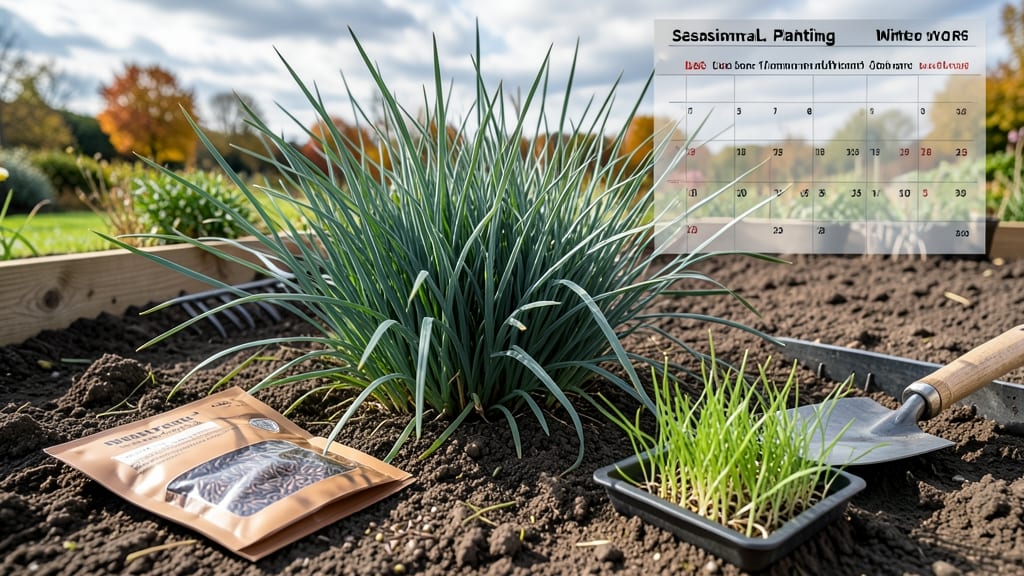
To plant ryegrass seed in Texas, aim for late summer to early fall when soil temperatures drop below 85°F—this is the golden window for frost-resistant growth.
Texas homeowners know the struggle: scorching summers and unpredictable freezes demand a lawn that thrives year-round. Ryegrass is your secret weapon for a lush, frost-resistant winter lawn, but timing is everything. Plant too early, and your seed roasts in the heat; too late, and winter freezes arrive before it establishes.
Why does this matter? Because ryegrass needs 4-6 weeks to germinate and root before the first frost hits. In North Texas, that means starting by mid-September, while South Texas can wait until late October. Get it wrong, and you’re stuck with bare patches or seed that never sprouts.
Here’s what you’ll learn: the exact planting windows by region, how to prep your soil for Texas conditions, and which ryegrass varieties handle our wild swings from drought to freeze. Let’s get your lawn winter-ready the right way.
Best planting windows for ryegrass seed in Texas by region
Texas’ diverse climate zones create a challenge for ryegrass planting—what works in North Texas may fail in South Texas. The key is understanding your last frost date and soil temperature thresholds.
Ryegrass thrives when soil temps stay above 60°F but needs 4-6 weeks to establish before winter freezes hit. Miss this window, and your lawn risks thin growth or winterkill.
For North Texas (USDA Zones 7b-8a), aim for early September to mid-October. This gives seedlings time to root before December freezes. In Central Texas (Zones 8a-8b), shift your window to mid-September to early November, as milder winters allow slightly later planting.
Meanwhile, South Texas (Zones 9a-11) can plant as late as mid-October to early November, thanks to its warmer microclimates.
Use this comparison table to pinpoint your exact planting window based on region, then adjust for early freezes or unusual heat by checking local National Weather Service forecasts. For example, if your area faces an early November freeze, plant by October 1st to ensure establishment.
| Region | USDA Zone | Ideal Planting Window | Soil Temp Requirement | First Frost Date | Adjustment for Early Freeze |
|---|---|---|---|---|---|
| North Texas | 7b-8a | Early Sept - Mid-Oct | 60°F+ | Dec 1-15 | Plant by Oct 1st |
| Central Texas | 8a-8b | Mid-Sept - Early Nov | 60°F+ | Nov 15-30 | Plant by Oct 15th |
| South Texas | 9a-11 | Mid-Oct - Early Nov | 60°F+ | Nov 1-15 | Plant by Oct 20th |
| Panhandle | 7a-7b | Early Sept - Late Sept | 60°F+ | Nov 1-15 | Plant by Sept 15th |
🌱 Note: Adjust dates 1-2 weeks earlier if your area has a history of early freezes.
Don’t rely solely on calendar dates—soil temperature is your true guide. Use a soil thermometer to confirm temps are consistently above 60°F before planting. In North Texas, this often means waiting until late August even if the calendar says September.
Conversely, South Texas can plant earlier if soil warms quickly after summer.
Pro tip: Spring planting (February-March) is possible but riskier. Seedlings must establish before summer heat arrives. If you choose this route, use shade cloth during peak afternoon sun and water daily until germination. For most Texas gardeners, fall planting is the safer bet for a thick, frost-resistant lawn.
Watch for microclimates in your yard—low spots stay cooler longer, while south-facing areas warm faster. If your lawn has uneven sun exposure, plant 2-3 weeks earlier in shaded areas to account for slower germination.
A test patch of 10x10 feet helps you gauge local conditions without committing to your entire yard.
After planting, protect your seedlings with light mulch (straw or grass clippings) to retain moisture and regulate soil temps. In drought-prone areas, a thin layer of mulch reduces water loss by up to 30%.
Pair this with evening watering (before 6 PM) to prevent fungal diseases like dollar spot, common in Texas’ humid winters.
If you miss the fall window, don’t despair—spring planting can still work, but choose fast-germinating varieties like ‘Marshall’ or ‘Winterizer’ for quicker establishment. Just be prepared to water twice daily until seedlings are 2 inches tall.
With the right timing and care, your ryegrass lawn will outperform bare soil or weeds all winter long.
For extra insurance, overseed in late February to fill any gaps from winter wear. This two-step approach—fall + spring—ensures a dense, green lawn from October through April, even in Texas’ unpredictable climate. 🌿
How to prepare your Texas lawn for ryegrass seed success
Preparing your Texas lawn for ryegrass seed is like setting the stage for a blockbuster performance—every detail matters. Ryegrass thrives when given the right conditions, but clay-heavy soils and drought stress can derail even the best-laid plans.
Start by mowing your lawn to a height of 1.5 inches to create an ideal seedbed and reduce competition. This step is critical because tall grass blocks sunlight and traps moisture, both of which can suffocate your new ryegrass seedlings.
Next, focus on soil preparation, which includes aeration to break up compacted soil. Texas lawns often suffer from heavy clay, which can prevent seeds from making proper contact with the earth. Rent a core aerator to pull small plugs of soil, creating pockets for seeds to nestle into.
Aim for aeration in early fall when soil is still warm but not scorching—ideal temperatures hover around 60-70°F. This timing ensures seeds germinate quickly before winter sets in.
3 Critical Mistakes That Kill Ryegrass Before Germination
- Planting in hot soil: Seeds need consistent moisture and cool temperatures (<65°F) to germinate. Planting in summer heat causes seeds to dry out instantly.
- Skipping soil testing: Texas soils often have low organic matter or high pH. Test your soil—ideal pH is 6.0-7.0. Amend with compost or sulfur if needed.
- Overwatering after seeding: A light misting keeps seeds moist, but heavy watering washes them away. Use a gentle sprinkler or soaker hose for even coverage.
After aerating, conduct a soil test to check pH levels and nutrient deficiencies. Texas soils often test alkaline (pH 7.5+), which can hinder ryegrass growth. If your soil is too alkaline, amend it with elemental sulfur or peat moss 4-6 weeks before planting.
For nutrient-poor soils, add a balanced fertilizer (10-10-10) to provide essential nitrogen, phosphorus, and potassium. This step ensures your ryegrass has the building blocks it needs to establish strong roots quickly.
Once your soil is prepped, it’s time to overseed. Use a broadcast spreader for even distribution, aiming for 10-15 lbs of seed per 1,000 sq ft.
Lightly rake the area to ensure seeds make contact with the soil, then apply a thin layer of straw mulch to retain moisture and protect seeds from birds. Water lightly but frequently—keeping the top inch of soil consistently moist is key.
Avoid walking on the lawn for at least 2-3 weeks to prevent disturbing the delicate seedlings.
Don’t overlook drought stress management, especially in Texas. Ryegrass is more drought-tolerant than cool-season grasses like fescue, but it still needs consistent moisture during establishment. If rain is scarce, supplement with deep watering 2-3 times per week until seedlings reach 3 inches tall.
Once established, ryegrass can handle drier conditions, but young plants are vulnerable to wilting if moisture levels drop too low.
Finally, monitor your lawn for weed competition and pest pressure. Apply a pre-emergent herbicide if broadleaf weeds are a problem, but avoid post-emergent treatments until ryegrass is fully established (about 6-8 weeks).
For pests like chinch bugs or grubs, use organic neem oil or beneficial nematodes to protect your new grass without harming the environment. With these steps, your Texas lawn will be ready for a thick, frost-resistant ryegrass carpet by winter.