
Lawn
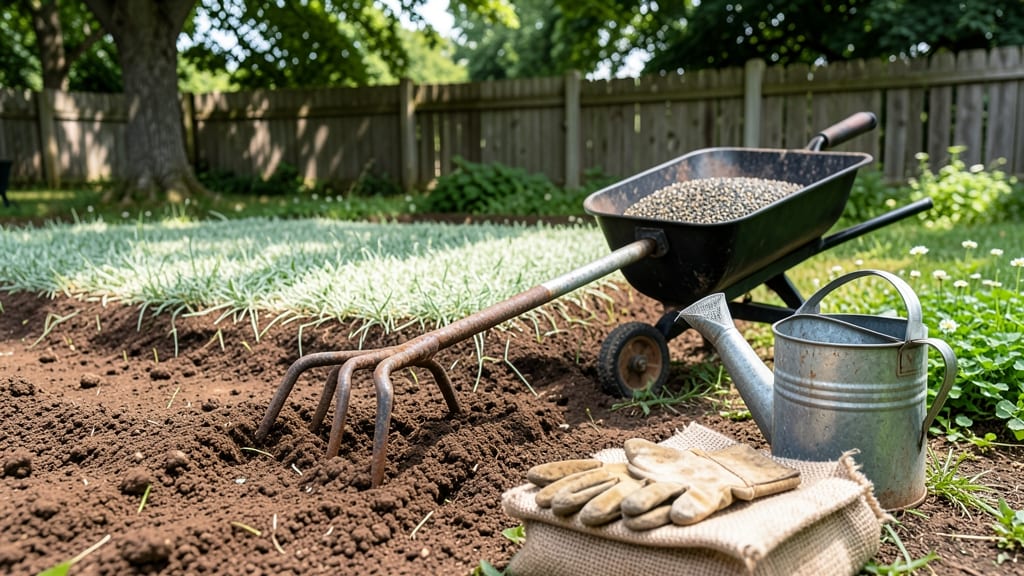
Planting lawn seed in the fall is your best bet for a thick, green lawn next spring—but getting the timing right makes all the difference.
Fall is the perfect time to plant a lush, resilient lawn—but timing is everything. Plant too early, and weeds take over; too late, and winter frost ruins your efforts.
In USDA Zone 6, that means sowing between late August and early October, when soil stays warm enough for roots to establish before dormancy.
Why does this matter? Cool-season grasses—like fescue and ryegrass—germinate best when daytime temps are 60-75°F and nights dip below 50°F. That’s why 4-6 weeks before your first frost is the sweet spot: enough time for roots to grow, but not so late that winter sets in before germination.
Here’s what you’ll discover: the exact planting window for your zone, how to prep soil for success, and the 3 critical mistakes that kill fall lawns before they even start. Let’s get your lawn off to the right start.
Best fall lawn seed planting weeks by USDA hardiness zone
Timing your fall lawn seed planting correctly means the difference between a thick, green lawn next spring and wasted effort. The key is planting 4-6 weeks before your first frost—this gives seeds time to germinate and establish roots before winter dormancy.
But exact dates vary dramatically by USDA hardiness zone, soil temperatures, and regional climate patterns.
Northern zones (3-6) have shorter growing seasons, so you’ll want to plant earlier in fall—think late August to early September. Mid-Atlantic zones (7-8) offer a longer window, while Southern zones (9-11) can plant well into November.
Missing these windows risks either weed competition or frost damage to tender seedlings.
Here’s a zone-by-zone breakdown of your ideal planting weeks, calculated to maximize germination and root growth before winter. Each zone’s deadline is based on average first frost dates and soil temperatures staying above 50°F (10°C) for consistent sprouting.
🌱
| USDA Zone | Region | Planting Window | Weeks Before Frost | Soil Temp Threshold | Key Consideration |
|---|---|---|---|---|---|
| 3-5 | Northern (MN, WI, Upstate NY) | Late August - Early September | 4-5 weeks | 55-60°F (13-16°C) | Short growing season; prioritize cool-season grasses |
| 6-7 | Mid-Atlantic (PA, OH, VA) | Mid-September - Early October | 5-6 weeks | 50-55°F (10-13°C) | Balanced window; watch for early frosts |
| 8-9 | Southern (NC, GA, AL) | Late September - Mid-November | 6-8 weeks | 45-50°F (7-10°C) | Longer window; warm-season grasses may still thrive |
| 10-11 | Southwest (TX, AZ, FL) | October - December | 8-10 weeks | 40-45°F (4-7°C) | Mild winters; focus on Bermuda or Zoysia |
For USDA zones 3-5, your deadline is critical—plant after September 10th, and you risk frost before seeds germinate. In these regions, tall fescue and Kentucky bluegrass thrive when sown in late August. Use a soil thermometer to confirm temperatures stay above 55°F (13°C) for consistent sprouting.
Zones 6-8 offer the most flexibility, with mid-September to early October being ideal. This window aligns with cool-season grasses like ryegrass and fine fescue, which establish roots before winter. If you live in Zone 7, aim for September 15th—any later, and weed suppression becomes harder.
Southern gardeners in zones 9-11 can plant later, but don’t wait too long. Bermuda grass and Zoysia benefit from October sowing, while St. Augustine can handle November plantings in warmer microclimates.
Always check your local frost dates—some Southern areas (like South Florida) rarely see frost, while others (like Central Texas) may need earlier plantings.
Pro tip: If your soil temperature drops below 50°F (10°C) before germination, cover seeds with a lightweight frost blanket to protect them. This simple trick can extend your planting window by 1-2 weeks in marginal zones.
✂️
Remember, fall planting success isn’t just about timing—it’s also about soil prep. Aerate 2 weeks before sowing, test your soil pH (6.0
How to choose the right lawn seed type for fall planting
Fall planting gives your lawn a head start on spring growth, but choosing the wrong grass type can leave you with patchy results. Cool-season grasses thrive in northern climates, while warm-season grasses dominate southern regions. Let’s break down the best options for your zone and sunlight conditions.
For cool-season grasses like tall fescue or Kentucky bluegrass, aim for late August to October planting. These varieties establish roots before winter and green up early in spring. In warmer zones, ryegrass or perennial ryegrass blends work well for quick germination, but avoid planting too close to frost.
| Grass Type | Best For | Sunlight | Fall Planting Window | Drought Tolerance |
|---|---|---|---|---|
| Tall Fescue | Northern climates (Zones 4-8) | Full sun to partial shade | Late August–October | High |
| Kentucky Bluegrass | Mid-Atlantic (Zones 3-9) | Full sun | September–October | Moderate |
| Perennial Ryegrass | Southern climates (Zones 6-10) | Full sun to partial shade | August–September | Low |
| Fine Fescue | Shady lawns (Zones 3-8) | Partial shade | September–October | High |
| Bermuda Grass | Warm climates (Zones 7-10) | Full sun | Early fall (August) | Very High |
If your lawn gets less than 4 hours of sun, opt for fine fescue or shade-tolerant tall fescue blends. These varieties handle low light better than sun-loving grasses. For full-sun areas, tall fescue or ryegrass mixes provide the fastest germination and disease resistance.
Before planting, test your soil and adjust the pH to 6.0–7.0. Cool-season grasses prefer slightly acidic soil, while warm-season grasses like bermuda grass thrive in neutral to slightly alkaline conditions. Add compost or peat moss to improve soil structure and water retention.
After choosing your seed, aerate the soil to break up compaction, then spread a starter fertilizer with high phosphorus to encourage root growth. Lightly rake the seed into the soil and cover with straw mulch to retain moisture. Water gently twice daily until germination occurs.
With the right grass type and fall planting timing, your lawn will establish a dense root system before winter, giving you a greener, healthier yard next spring. 🌱