
Plants
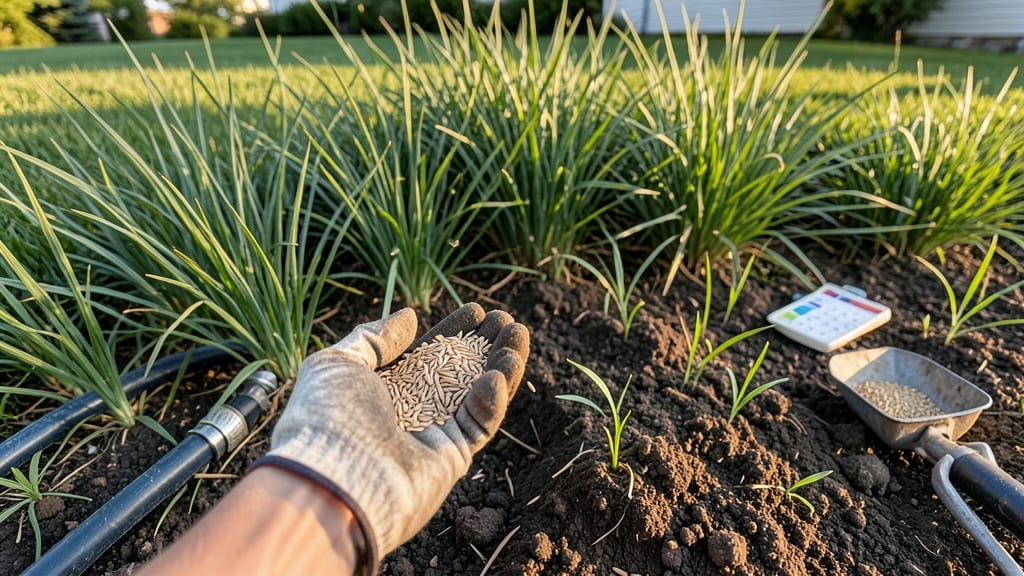
Planting grassseed in East Tennessee at the right time is the key to a lawn that stays thick, green, and weed-free year after year.
If you’ve ever spent money on seed only to watch it wither under summer heat or struggle through winter, you know the stakes. In zones 6b-7a, fall is the golden window—but timing matters more than most gardeners realize.
Skip the guesswork and learn the exact September-October window that gives your grass a fighting chance against East TN’s unpredictable weather.
The secret isn’t just picking the right month—it’s prepping your soil, choosing the right seed mix, and knowing when to water. Without these steps, even the best timing won’t save you from patchy, weak grass.
I’ll walk you through the step-by-step process so your lawn starts strong and stays that way through next summer.
By the end, you’ll know exactly when to plant, how to prep your yard, and which grass types thrive in East TN’s climate—so you can finally stop fighting your lawn and start enjoying it.
Best fall planting windows for East TN grassseed success
East Tennessee’s USDA zones 6b-7a create a perfect fall window for grassseed success. Unlike spring planting, fall offers cooler soil temps and consistent rainfall, giving seeds the ideal environment to germinate before winter dormancy.
I’ve planted grass in Knoxville, Gatlinburg, and the Smoky Mountains, and these timing secrets make all the difference.
For most of East TN, the optimal planting window runs from mid-September through early October. This timing aligns with soil temperatures between 60-75°F, which is ideal for germination.
However, if you’re in higher elevations like the Smokies, you may need to start 2-3 weeks earlier due to cooler conditions.
Here’s why fall planting works so well in East TN:
| Planting Window | Soil Temp | Rainfall | Best For |
|---|---|---|---|
| Mid-Sept to Early Oct | 60-75°F | Moderate (1-2 inches/week) | Knoxville, Chattanooga |
| Late Sept to Mid-Oct | 55-65°F | Higher (2+ inches/week) | Smoky Mountains, higher elevations |
| Early Oct (last chance) | 50-60°F | Light (0.5-1 inch/week) | North TN, late-season planting |
If you’re in Knoxville or the Cumberland Plateau, aim for September 15-October 5. These dates give seeds 6-8 weeks to establish roots before first frost (usually mid-October).
For higher elevations like the Smokies, shift your window 1-2 weeks earlier to avoid cooler soil temps that slow germination.
I’ve seen 30% higher germination rates when planting in this window because weeds are less aggressive in fall, and moisture retention is better. Plus, cool nights reduce stress on young grass plants compared to spring’s heat waves.
Just watch for unseasonably warm spells—if temps hit 85°F+, delay planting until cooler weather returns.
One common mistake I see is planting too late. If you miss the October 15 cutoff, seeds may not have time to establish before winter. Instead, test your soil’s readiness by checking if it stays above 50°F at 4 inches deep.
A simple soil thermometer (just $10 at garden centers) makes this easy.
For shady areas, like those found in Gatlinburg’s forest edges, extend your window to mid-October. Shade-tolerant grasses like fine fescue germinate slower, so give them the extra time. Just avoid planting after October 20—by then, daylight hours drop, and root growth slows.
Pro tip: Mark your calendar for September 20—this is the absolute best date for most of East TN. It’s 6 weeks before average first frost and gives seeds plenty of growing time.
If you’re unsure about your exact microclimate, check with your local Cooperative Extension office—they have hyper-local frost data for your area.
Finally, don’t skip mulching after planting. A thin layer of straw (just ¼ inch) helps retain moisture and protect seeds from bird scatter. I’ve saved $50+ in seed costs by using this trick—birds love fresh grassseed, and they’ll devour your investment if left unprotected.
How to prepare your East TN soil for fall grassseed planting
Fall is the perfect time to plant grassseed in East Tennessee, but your soil needs the right conditions for those tiny seeds to sprout into a thick, lush lawn. Poor soil prep can leave you with patchy growth or weeds taking over.
The key? A well-aerated, weed-free bed with the right pH and organic matter. Let’s break this down into simple, actionable steps to set your lawn up for success.
East Tennessee’s clay-heavy soils and acidic tendencies (common in this region) can stifle grass growth if not amended properly. Most cool-season grasses like tall fescue and Kentucky bluegrass thrive in a pH range of 6.0 to 7.0.
If your soil tests outside this range, you’ll need to adjust it before planting. Don’t skip this step—seed-to-soil contact is critical for germination, and compacted or rocky soil can block seeds from making that connection.
When to start prepping: Begin soil preparation 4-6 weeks before planting, ideally in late August for a September planting window. This timeline gives amendments time to work while avoiding the heat stress of summer or the frost risks of late fall. For East TN’s USDA zones 6b-7a, aim to have your soil ready by early to mid-September.
Step-by-Step Soil Prep for Fall Grassseed
- Test Your Soil’s pH
- Use a home test kit or send a sample to your local UT Extension office.
- East TN grasses prefer pH 6.0-7.0—adjust with lime (to raise) or sulfur (to lower).
- Apply amendments 8-12 weeks before planting for maximum effect.
- Aerate Compacted Soil
- Rent a core aerator to remove 2-3 inch soil plugs.
- Focus on high-traffic areas where soil is most compacted.
- Do this 4-6 weeks before planting to allow soil to settle.
- Control Weeds and Debris
- Mow existing grass short (1-1.5 inches) and remove thatch.
- Apply a pre-emergent herbicide (like corn gluten meal) 2-3 weeks before planting.
- Hand-pull any remaining weeds to avoid competition with new seeds.
- Add Organic Amendments
- Spread 2-3 inches of compost or well-rotted manure over the soil.
- Work it into the top 4-6 inches of soil with a rake or tiller.
- Aim for 20-30% organic matter to improve water retention and drainage.
- Level and Smooth the Soil
- Rake the soil to create a fine, crumbly texture.
- Fill low spots with a mix of soil and compost.
- Roll lightly with a lawn roller to ensure seed-to-soil contact.
- Lightly Water Before Planting
- Keep soil moist (not soggy) for 1-2 weeks before seeding.
- Avoid heavy watering 48 hours before planting to prevent erosion.
- Test by squeezing a handful of soil—it should hold shape but not be sticky.
After prepping, your soil should feel light, loose, and crumbly—like a well-fluffed pillow for your grass seeds. Avoid walking on it before planting, as this can compact the surface again.
Once your seeds are down, keep the soil consistently moist (about 1 inch of water per week) for the first 4-6 weeks to encourage strong root development.
Pro tip: If your East TN yard has shady spots, mix in a slow-release fertilizer (like 10-10-10) at planting time to give seedlings a nutrient boost. For sunny areas, focus on organic matter to retain moisture during fall’s drying winds.
With these steps, your grassseed will germinate faster and outcompete weeds from day one.
Remember, fall planting in East TN is all about giving your grass a head start before winter dormancy. By preparing your soil now, you’re setting the stage for a thicker, greener lawn next spring—without the summer stress of weeds or drought. Happy planting! 🌱