
Plants
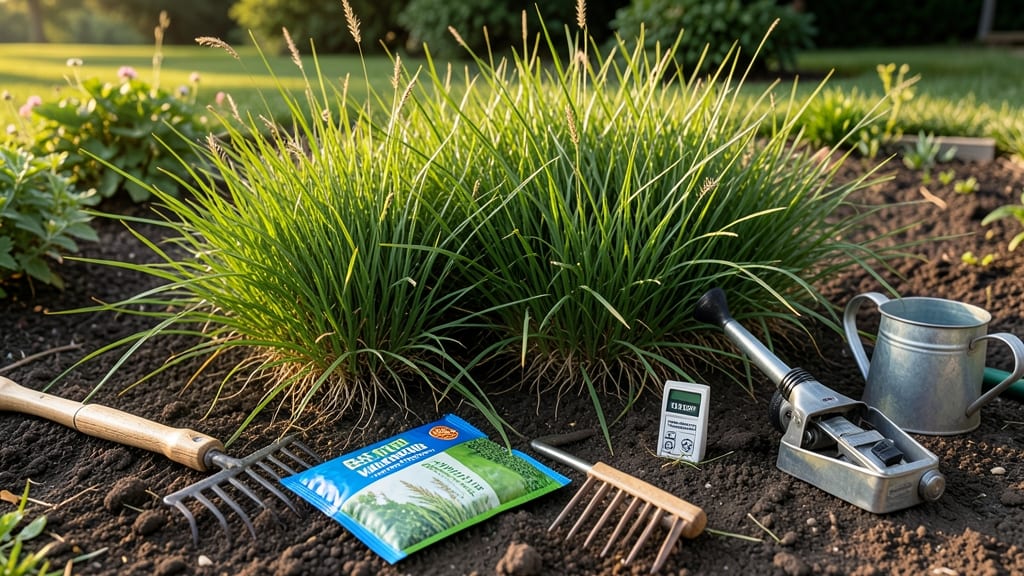
Planting grass seed in East Tennessee at the right time means the difference between a lush lawn and months of frustration 🌱 — aim for early spring or early fall when soil temps and moisture align.
Timing is everything when planting grass seed in East Tennessee—plant too early, and frost will kill your efforts; too late, and summer heat stunts growth. Get it right, and you’ll have a lush lawn by next spring.
East Tennessee’s 6a-7a climate gives you two ideal windows: March to April for spring planting when soil warms to 50-65°F, or September to October for fall planting before the first frost hits.
Below, I break down the exact frost-free deadlines by region, soil prep tips for clay-heavy soils, and how to choose between tall fescue and Kentucky bluegrass for your yard’s sun exposure.
Best planting windows for East Tennessee grass seed by soil temperature
East Tennessee's USDA Zones 6a-7a create a unique challenge for grass seed germination. The key to success lies in soil temperature, which dictates when cool-season and warm-season grasses thrive.
Planting outside these windows risks frost damage or heat stress, both of which can kill young seedlings before they establish.
For cool-season grasses like tall fescue and Kentucky bluegrass, the sweet spot is 50-65°F soil temperatures. These grasses prefer early fall (September-October) or late spring (March-April) when days are cooler, and rainfall is consistent.
Warm-season grasses like Bermuda or Zoysia need 65-75°F and are best planted in late spring after the last frost.
Here’s why timing matters: Soil temperature directly impacts germination rates. Seeds planted when the ground is too cold (below 50°F) won’t sprout, while those planted in summer heat (above 80°F) risk drying out before roots establish.
East Tennessee’s humid subtropical climate adds another layer—excess moisture in summer can promote fungal diseases in young grass.
Avoid planting in late summer (August) or early winter (December-February). August’s heat and drought stress seedlings, while winter’s frost will kill them before they take root. Instead, focus on March-April for spring planting and September-October for fall, when temperatures are ideal and rainfall supports growth.
Soil temperature is your best indicator of readiness. Use a soil thermometer to check depths of 2-4 inches—this is where seeds germinate. For cool-season grasses, aim for 55-60°F; for warm-season types, wait until 65°F or higher. If temperatures fluctuate, delay planting until conditions stabilize.
In Knoxville and Chattanooga, aim to plant tall fescue by mid-October to give roots time to establish before winter. For late spring plantings, don’t wait past early April—soil warms quickly, and seedlings can dry out.
Use a light mulch (straw or peat moss) to retain moisture and regulate soil temperature.
If you miss the ideal windows, overseeding in late summer (August) can work for cool-season grasses, but success depends on consistent rainfall. Warm-season grasses planted in fall won’t survive winter—save them for late spring.
Always test your soil’s pH (6.0-7.0) and organic matter before planting, as poor soil health slows germination.
Pro tip: Water deeply after planting to settle seeds into soil and keep moisture consistent. Use 1 inch of water per week, split into two sessions (morning and evening) to prevent fungal growth. Avoid walking on newly seeded areas for 2-3 weeks to protect tender sprouts.
Remember, East Tennessee’s microclimates vary—higher elevations (like Asheville) stay cooler longer, while valleys warm faster. Adjust your planting timeline by 1-
East Tennessee frost-free deadlines: when to avoid planting grass seed
Understanding East Tennessee’s frost-free deadlines is key to avoiding failed grass seed projects. The region’s USDA zones 6a-7a mean frost can strike anytime from late April to mid-October, depending on elevation and microclimates. Miss these windows, and your seeds will either freeze or bake in summer heat.
For Knoxville, Chattanooga, and Asheville, the last average frost date hovers around April 15-20, while the first frost typically arrives October 10-15. However, high-elevation areas like Great Smoky Mountains foothills can see frost up to 2 weeks later.
Here’s your critical planting timeline to avoid frost damage:
Spring planting should begin when soil temps reach 50°F consistently, usually mid-March in lowland areas. Wait until April in higher elevations to avoid late frosts. For fall, aim to finish planting 4-6 weeks before first frost—this gives seeds time to germinate and establish roots before winter.
Pro tip: Use a soil thermometer to confirm temps. If nights dip below 40°F, cover new seeds with straw mulch for protection. Avoid planting in June-August—summer heat causes seeds to dry out before germination.
For tall fescue (the region’s top choice), fall planting is ideal—it thrives in cooler temps. Kentucky bluegrass, however, needs spring planting for best results. Always check your local Cooperative Extension Service for year-specific updates.