
Plants
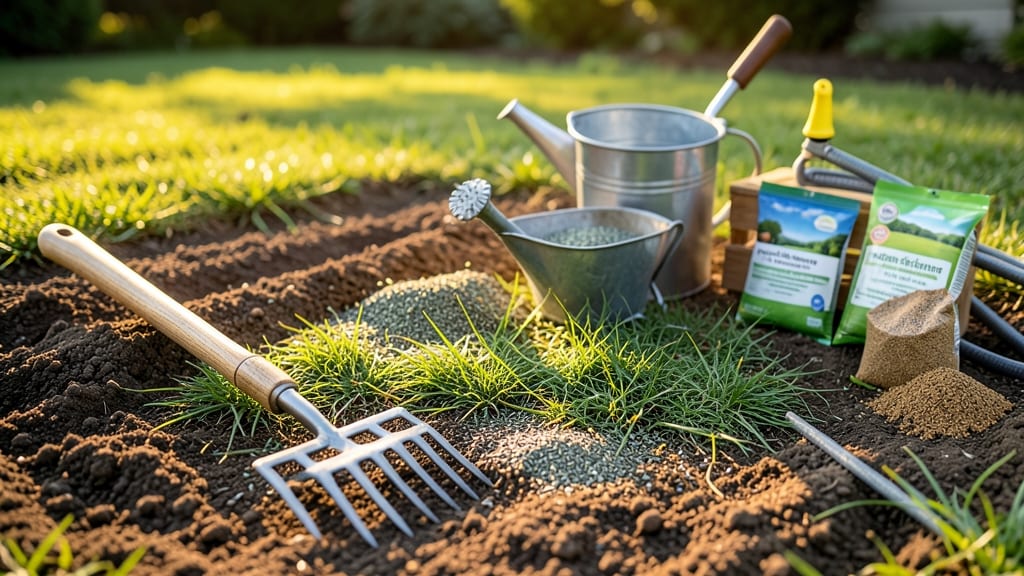
Planting grass seed in Zone 5 at the right time means the difference between a lush lawn and a patchy, struggling mess.
Picture this: you’ve just spread high-quality seed across your yard, only to watch frost nip the tender sprouts before they even take hold. That’s why timing is everything—especially in Zone 5, where spring and fall windows are your best bets for success.
Most gardeners in Zone 5 know the basics: early spring or early fall. But what you really need is the exact soil temperature and frost-free timeline to avoid costly mistakes. Too early, and frost will kill your efforts. Too late, and weeds will steal the show.
In this guide, I’ll break down the ideal planting windows, how to check soil readiness, and the fastest-growing grass varieties for Zone 5. No more guesswork—just a lawn that thrives from day one.
Optimal soil temperature & frost-free timeline for planting grass seed in Zone 5
In Zone 5, timing your grass seed planting correctly means the difference between a lush lawn and wasted effort. The soil temperature must be consistently between 50°F and 65°F for optimal germination. Too cold, and seeds won’t sprout; too hot, and they’ll dry out before establishing roots.
This window typically aligns with your frost-free period, which varies dramatically across Zone 5’s northern and southern regions.
For most of Zone 5, the last frost arrives between mid-April and early May, while the first frost hits around mid-October to early November. These dates create two ideal planting windows: early spring (March-April) and early fall (September-October).
Fall planting is often preferred because cooler temperatures reduce weed competition and stress on young grass.
Here’s how to check if your soil is ready without a fancy thermometer. Dig a 6-inch hole, add a thermometer, and wait 30 minutes for an accurate reading. If you don’t have one, use the leaf unfurling trick: Press a dandelion leaf against the soil.
If it unfurls within 10 minutes, the soil is likely 50°F or warmer. A moisture test also helps—damp soil (not soggy) is ideal for seedbed prep.
| Planting Window | Soil Temp Range | Frost-Free Status | Regional Adjustments |
|---|---|---|---|
| Early Spring (March-April) | 50°F–60°F | After last frost | Northern Zone 5: Wait until May; Southern Zone 5: March works |
| Early Fall (September-October) | 55°F–65°F | 6–8 weeks before first frost | Northern Zone 5: September only; Southern Zone 5: October possible |
| Soil Prep Check | Warm to touch | N/A | Use a moisture test or leaf unfurling if no thermometer |
| Avoid Planting When | Below 50°F or above 70°F | Frost predicted within 7 days | Weeds are already aggressive (late spring/summer) |
Micro-climates within Zone 5 can shift your planting window by weeks. For example, northern Zone 5 (e.g., Chicago, IL or Buffalo, NY) often has a shorter frost-free season, so aim for late April to early May in spring and September only in fall.
Meanwhile, southern Zone 5 (e.g., St. Louis, MO or Raleigh, NC) may allow March planting in spring and early October in fall.
If you’re planting in spring, wait until the soil temperature stays above 50°F for 5 consecutive days. This ensures seeds germinate quickly before summer heat arrives.
For fall planting, aim to finish 6–8 weeks before the first frost—this gives grass time to establish roots before winter dormancy. A general rule: September 1st is a safe target for most of Zone 5.
Don’t rely solely on calendar dates. Check your local USDA Plant Hardiness Zone Map and consult your cooperative extension service for hyper-local advice. They provide frost date averages and soil temperature data tailored to your exact location.
For example, a valley may warm up faster than a hillside, creating a micro-climate where you can plant earlier.
Once you’ve nailed the timing, prepare your soil by loosening the top 2–3 inches with a rake or tiller. Remove debris and level the area to ensure even seed distribution. Lightly water the soil the day before planting to encourage seed-to-soil contact.
After sowing, keep the seedbed consistently moist (not soggy) until germination, which typically takes 7–21 days depending on the grass type.
Remember, fall planting often yields the best results in Zone 5 because cooler temperatures reduce weed competition and stress on young grass. If you miss the fall window, spring planting is your next best option—but act fast once the soil warms up.
Avoid planting in late spring or summer, as high temperatures and weed pressure can overwhelm tender seedlings.
🌱
Best grass seed varieties for Zone 5 planting times & their germination speed
Zone 5 gardeners have two perfect windows to plant grass seed: early spring (March-April) and early fall (September-October). These cool-season grasses thrive when soil temperatures stay between 50-65°F, avoiding both summer heat and winter dormancy. Warm-season grasses like Bermuda or Zoysia? Skip them—Zone 5’s winters will kill them off.
Your seed choice directly impacts germination speed and lawn strength. Perennial ryegrass sprouts fastest (5-7 days), while Kentucky bluegrass can take 14-21 days. Tall fescue falls in the middle (10-14 days). Let’s break down the best options and their ideal planting windows to maximize your lawn’s potential.
For spring planting, aim for March-April when soil warms to 50°F. Perennial ryegrass is my go-to here—it germinates quickly and shades out weeds early. Mix it with tall fescue for a durable blend that handles foot traffic. Avoid planting after May 15th; summer heat stresses young grass.
Fall planting (September-October) gives grass 6-8 weeks to establish roots before winter. Tall fescue and Kentucky bluegrass excel here, with fescue’s deep roots preventing winter kill. Water deeply 2-3 times weekly until germination (about 2 weeks). Pro tip: Use a starter fertilizer with phosphorus to boost root growth.
Skip warm-season grasses like Bermuda or Buffalo grass—they won’t survive Zone 5 winters. Even fine fescue, while cold-hardy, struggles with slow germination (14-28 days). Stick to the cool-season trio for reliable results. For shade areas, consider fine fescue blends, but they’ll still need 4+ hours of sunlight daily.
Remember: Consistent moisture is key during germination. Water lightly daily (not flooding) to keep soil evenly moist. Once grass reaches 3 inches tall, reduce to 1 inch per week. Mow high (3-4 inches) to encourage deep roots and crowd out weeds naturally.