
Planting
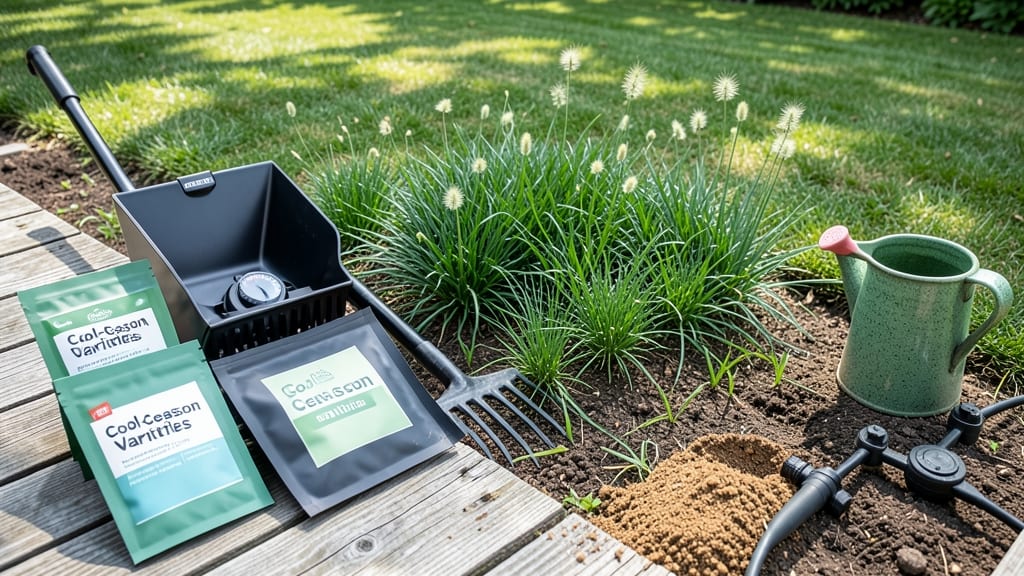
Planting grass seed in Washington State at the right time ensures strong root growth before frost 🌱—and that window is narrower than you might think.
Washington State’s unpredictable climate—with its rainy winters and dry summers—can make or break your lawn if you plant grass seed at the wrong time. Timing is everything for cool-season grasses like Kentucky bluegrass and fescue, but when exactly should you sow seeds to avoid frost damage and ensure lush growth?
Most gardeners in the Pacific Northwest swear by early fall planting, but Western WA’s milder winters (USDA Zones 7b-9a) allow for a slightly later start than Eastern WA’s colder regions (Zones 5b-7a). Missing the 4-6 week window before frost means weaker roots and patchy lawns by spring.
Below, I break down the exact months to plant by region, soil prep secrets for WA’s clay-heavy soils, and how to adjust watering when summer drought hits. No more guessing—just a thriving lawn that survives the seasons.
Best months to plant grass seed in Washington State for optimal root establishment
Washington’s cool-season climate creates a narrow window for planting grass seed that avoids summer drought and winter frost. For Kentucky bluegrass and fine fescue, the key is establishing roots 4-6 weeks before frost—but timing varies dramatically between Puget Sound and Eastern Washington.
Let’s break down the best months for each region to maximize your lawn’s success.
In Western Washington (Seattle, Olympia, Bellingham), the ideal planting window spans from late August to early October for fall establishment or March to April in spring. The milder coastal climate allows for a longer fall window, but soil temperatures must stay above 50°F (10°C) for germination.
Meanwhile, Eastern Washington (Spokane, Wenatchee) has a shorter window—late April to early June in spring or early September to mid-October in fall—due to earlier frosts.
| Region | Best Planting Months | Soil Temp Requirement | Frost Risk | Grass Variety |
|---|---|---|---|---|
| Western WA (Puget Sound) | Late August–Early October March–April |
50°F+ (10°C+) | Low (Oct 15) | Kentucky Bluegrass, Fine Fescue |
| Eastern WA (Spokane) | Late April–June Early Sept–Mid Oct |
55°F+ (13°C+) | High (Sept 15) | Tall Fescue, Perennial Ryegrass |
| Cascades (High Elevation) | May–June August–Early Sept |
50°F+ (10°C+) | Very High (Sept 1) | Creeping Red Fescue |
For fall planting, aim to sow seeds 6-8 weeks before first frost—this gives roots time to anchor before winter dormancy. In Western WA, that’s typically late August to early October, while Eastern WA gardeners should plant by mid-September to avoid early frosts.
The cooler soil temperatures in fall reduce weed competition and encourage deep root growth before winter.
Spring planting is riskier in Washington’s variable climate. Seed must germinate before summer drought sets in, so March to early April is ideal for Western WA. In Eastern WA, wait until late April to early May when soil warms to 55°F (13°C).
Avoid planting in June or July—summer heat and drought will stress seedlings, leading to thin, patchy lawns.
Microclimates matter! Urban areas like Seattle may have 2-3 weeks later frost dates than rural zones, while high-elevation areas (e.g., Snoqualmie Pass) can experience frost as early as September 1st.
Check local USDA Zone maps (Zones 7b-9a in Western WA, 5b-7a in Eastern WA) and adjust your timeline accordingly.
Pro tip: Test soil moisture before planting—Washington’s rainy winters can leave soil waterlogged, while summer droughts dry it out quickly. Aim for soil that’s moist but not soggy when planting. Use a soil thermometer to confirm temperatures meet the 50°F (10°C) minimum for germination.
If you miss the ideal window, overseeding in early spring (February–March) can still work, but expect slower establishment. For new lawns, prioritize fall planting—it’s the gold standard for Washington’s climate, yielding 90%+ germination rates when timed correctly.
Remember: Grass seed needs consistent moisture to germinate. After planting, water lightly twice daily (early morning and evening) for the first 2 weeks, then taper to 1 inch per week. Mulch with straw to retain moisture and protect seedlings from late frosts.
With the right timing, your Washington lawn can establish strong roots before winter—setting you up for a lush, resilient turf next season. 🌱
How Washington’s climate Zones affect grass seed planting success
Washington State spans USDA Hardiness Zones 5b-9a, creating dramatic differences in planting success across regions. In Zone 7b-9a (Western WA), mild winters and wet springs favor early fall planting, while Zone 5b-7a (Eastern WA) demands earlier spring sowing to escape late frosts.
These variations mean your Spokane lawn needs a different strategy than your Seattle yard—even just 50 miles apart!
The Cascade Mountains act as a climate divider, with Western WA receiving 36-40 inches of rain annually and Eastern WA averaging just 15-20 inches. This affects soil moisture retention and irrigation needs.
Urban areas like Seattle also experience heat islands, where pavement raises soil temperatures by 5-10°F compared to rural areas.
Soil temperatures are critical—grass seed germinates best when soil reaches 50-65°F. In Zone 6-7 (Eastern WA), this typically occurs by mid-April, while Zone 8-9 (Western WA) can start as early as February in sheltered microclimates. Frost dates further complicate timing: Seattle’s last frost is March 15, but Spokane’s can linger until May 1.
In urban areas, concrete and asphalt create microclimates where soil stays 5-10°F warmer than rural zones. This means seeds may germinate 2-3 weeks earlier in city lawns.
For example, Bellevue's Zone 8b soil can reach 60°F by February, while nearby Snoqualmie (Zone 7a) may not hit that until March.
Adjust your watering schedule based on elevation: Western WA lawns need less frequent watering due to natural rainfall, while Eastern WA requires daily irrigation during summer droughts. In Zone 6-7, always plant 4-6 weeks before first frost—typically early September—to allow 4-6 weeks of root growth before winter.
For shade-tolerant varieties like fine fescue, Eastern WA’s drier climate makes them ideal, while Kentucky bluegrass thrives in Western WA’s moisture-rich soils. Test your soil’s pH (6.0-7.0 ideal) and drainage—compacted urban soils often need sand or compost to improve aeration.