
Plants
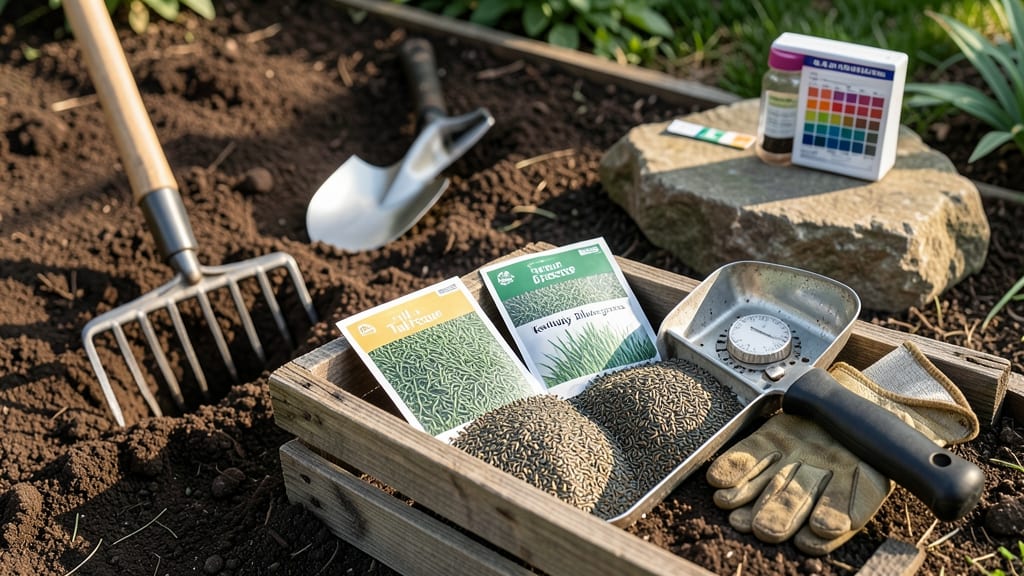
Planting grass seed in Tennessee at the right time ensures fast germination and a thick, green lawn—miss the window, and you’re left with bare spots and wasted money.
Picture this: you’ve spent hours spreading seed, only to watch it dry out under a late-spring heatwave or freeze under an early frost. That’s why timing is everything—and Tennessee’s zones 6a–8a demand precision.
Whether you’re in the cooler Appalachian highlands or the humid lowlands, the ideal planting months are March–April for spring and August–September for fall. But soil temperature, rainfall, and microclimates can shift those deadlines by weeks.
In this guide, I’ll break down the exact windows for your zone, how to prep soil for fast germination, and pro tips to avoid common mistakes—so your turfgrass 🌱 takes root in record time.
Tennessee’s grass planting zones & best months by region
Tennessee’s diverse climate zones—from the cool Appalachian highlands to the humid subtropical valleys—create unique challenges for grass seed germination. Whether you're in zone 5a with late frosts or zone 8a facing summer heatwaves, timing your planting window correctly is critical.
The ideal planting months shift dramatically across the state, with early spring and early fall offering the best conditions for most regions.
For urban lawns in Nashville (zone 7a), you might plant as early as late March, while rural farms in the Cumberland Plateau (zone 6b) should wait until mid-April.
Microclimates—like shady city lots or sun-baked backyards—also demand adjustments. Let’s break down the exact planting windows, soil temperature thresholds, and regional grass varieties that thrive in each zone.
If you’re in zone 5a (like the Great Smoky Mountains), aim for mid-April to early May in spring, as nights can still dip below 50°F in March. For fall planting, late August to mid-September works best—giving seedlings time to establish before first frosts in November.
In contrast, zone 8a gardeners in Memphis or Jackson can plant as early as late March, but summer heat makes October planting the safer bet.
Urban areas like Nashville (zone 7b) experience microclimate heat islands, where pavement and buildings raise temperatures by 5–10°F. Here, shade cloth can extend your summer planting window by 2–3 weeks.
Meanwhile, rural farms in the Cumberland Plateau may face cooler soils and later frosts, so soil warming techniques (like black plastic mulch) become essential.
For fastest germination, always check soil temperature with a thermometer—never rely on air temperature alone. In zone 7a, soil should be 60–70°F for optimal growth, while zone 8a soils can handle up to 75°F. Pro tip: Morning planting (before 10 AM) minimizes heat stress on fresh seed.
Choosing the right grass variety
Critical soil & weather conditions for fast germination in Tennessee
Timing your grass seed planting in Tennessee isn’t just about picking a month—it’s about understanding your soil temperature, moisture balance, and weather patterns. Grass seed needs specific conditions to germinate quickly: soil temps between 55–75°F, consistent moisture, and protection from extreme heat or frost.
Skipping these checks often leads to slow growth, patchy lawns, or even seed rot. Let’s break down how to get it right every time.
First, check your soil temperature using a simple soil thermometer (available for under $10). Grass seed won’t sprout if the soil is too cold—even if daytime temps feel warm. In East Tennessee (zones 5a–6a), wait until the soil reaches at least 55°F before planting in spring.
For West Tennessee (zones 7a–8a), aim for 60–65°F to avoid heat stress on seedlings.
⚠️ callout warning ⚠️
⚠️ Common Mistakes That Kill Germination
Grass seed won’t germinate if nights stay below 50°F. Even a single frost after planting can kill tender seedlings. Use a frost forecast from the National Weather Service to time your planting.
Tennessee’s unpredictable weather can trick you into planting in March when a late frost is still possible. Always check the 10-day forecast before seeding—especially in Middle Tennessee (zone 7a), where false springs are common.
While keeping soil moist is key, soggy conditions cause seed rot. Water lightly 2–3 times daily (about ¼ inch per session) for the first 2 weeks, then taper to 1–1.5 inches per week once sprouts appear.
Next, monitor moisture levels closely. Grass seed needs to stay consistently damp (like a wrung-out sponge) for germination. Use a sprinkler with a fine mist setting to avoid displacing seed, and water in the early morning to reduce evaporation and fungal risks.
In drought-prone West Tennessee (zones 7a–8a), consider laying down straw mulch after planting to lock in moisture.
Don’t forget to watch the weather forecast for at least 2 weeks after planting. Sudden heatwaves (common in July–August) or heavy rains can stress seedlings. If a heatwave over 90°F is predicted, use shade cloth (30–50%) to protect young grass until roots establish.
Similarly, if frost is forecasted within 2 weeks of planting in fall, delay until conditions stabilize.
Finally, adjust your approach based on your Tennessee region. In East Tennessee’s cooler zones (5a–6a), focus on early spring (April–May) or late summer (August) planting. For West Tennessee’s warmer zones (7a–8a), late March–April or October works best.
Always choose fast-germinating varieties like Tall Fescue or Bermuda for your zone to speed up the process.
By mastering these soil and weather checks, you’ll give your grass seed the perfect start—leading to a thicker, greener lawn with minimal effort. The key? Patience and preparation pay off in Tennessee’s unpredictable climate. 🌱